
Ad-free viewing was among the original selling points of subscription streaming services like Amazon Prime Video, but last year that changed and commercials were shown to paying customers. Now a German court has called the practice unlawful.
The Munich Regional Court has ruled that the US e-commerce giant Amazon acted unlawfully when it changed the terms of its Prime Video streaming service in early 2024 and began showing commercials to subscribers in Germany, or charging them more for ad-free service.
Charges had been brought against Amazon by the Federal Association of Consumer Centres. Now the company should send customers a “letter of correction” the court ruled.
The consumer advice centre believes the ruling shows that customers in Germany are entitled to continued ad-free service at no additional cost.
However, the verdict is not final, and Amazon may appeal the decision to a higher court. “We will review the verdict to determine our next steps,” a company spokesman told the German press agency.
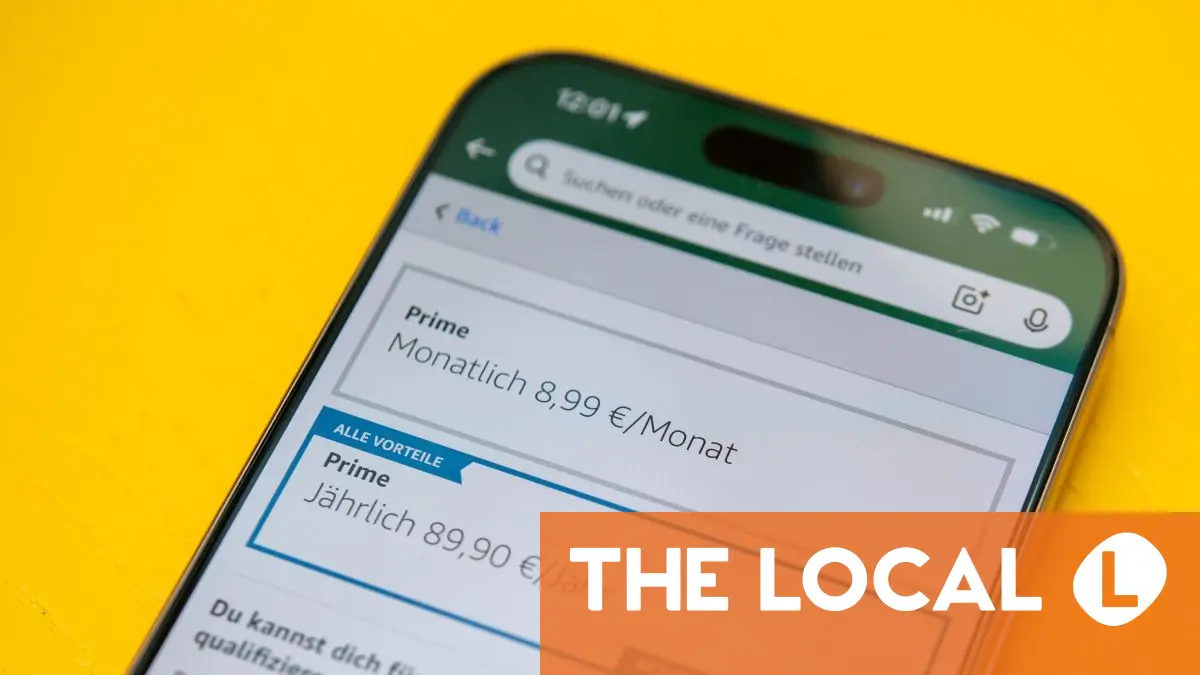
The background is that Amazon had informed Prime Video customers by email at the beginning of 2024 that limited advertising would be shown on the streaming platform going forward, or else customers could pay an additional €2.99 per month for ad-free service.
The judges considered the email to be misleading. According to the ruling, Amazon had acted as if it was entitled to unilaterally change the terms of the contract it had with its customers, but neither the Terms of Service nor German law allow for such a unilateral change.
When concluding the contract, the customers had prepared themselves for an ad-free offer, the court found. Because Amazon had effectively made ad-free service the “subject of the contract”, the company must maintain it.
Ramona Pop, board member of the Federation of German Consumer Organisations, said the ruling “shows that additional advertising on Amazon Prime Video was not allowed without the participation of the consumers concerned.”
According to the consumer advice centre, members would continue to be entitled to Prime without advertising “at no additional cost”.
Amazon disagreed: “Although we respect the court’s decision, we do not agree with the conclusions,” said the company spokesman.
READ ALSO: Could Germany force online giant Amazon to change its prices?
German consumer protections versus enshittification
Consumer protections are taken seriously in Germany, and this ruling, if it stands, may be seen as an example of how Germany’s Basic Law ensures that companies maintain their contractual obligations to customers.
When subscription-based streaming services like Netflix and Amazon Prime Video first gained popularity, ad-free viewing was among their primary selling points. But since then more and more commercials have become the norm on many streaming platforms, with companies often charging a premium for service that is commercial free.
Coined by Canadian writer Cory Doctorow, “enshittification” is a word for the pattern in which online products and services decline in quality over time, often while the costs to use them increase.
As online tools have gained importance in modern lives, enshittification has become a widely-recognised phenomenon — often seen as a virtually unavoidable force.
But in cases where consumer rights are being violated, the German courts can act as a protective force.
Earlier this year a German court ruled that Netflix should reimburse a man for raising the price of his subscription.
With reporting by dpa
Disclaimer : This story is auto aggregated by a computer programme and has not been created or edited by DOWNTHENEWS. Publisher: thelocal.de





