For years, basic economy has been a double-edged sword for travelers hoping to save money on flights. You get cheaper fares, but with pesky restrictions when it comes to things like baggage, seats and ticket changes.
But even if you’ve braved that tradeoff in the past, you may want to think twice before booking basic for your next flight.
Across the airline industry, basic economy rules are rapidly changing. And increasingly, these fares are hitting frequent travelers where it hurts: their points, status perks and premium lounge access. It’s forcing consumers to think twice before purchasing a ticket that might save them money — sometimes hundreds of dollars — on a round-trip journey.
We’re definitely not in the 2010s anymore
When you go to book a flight today, basic economy is typically the cheapest fare option.
It wasn’t always like that.
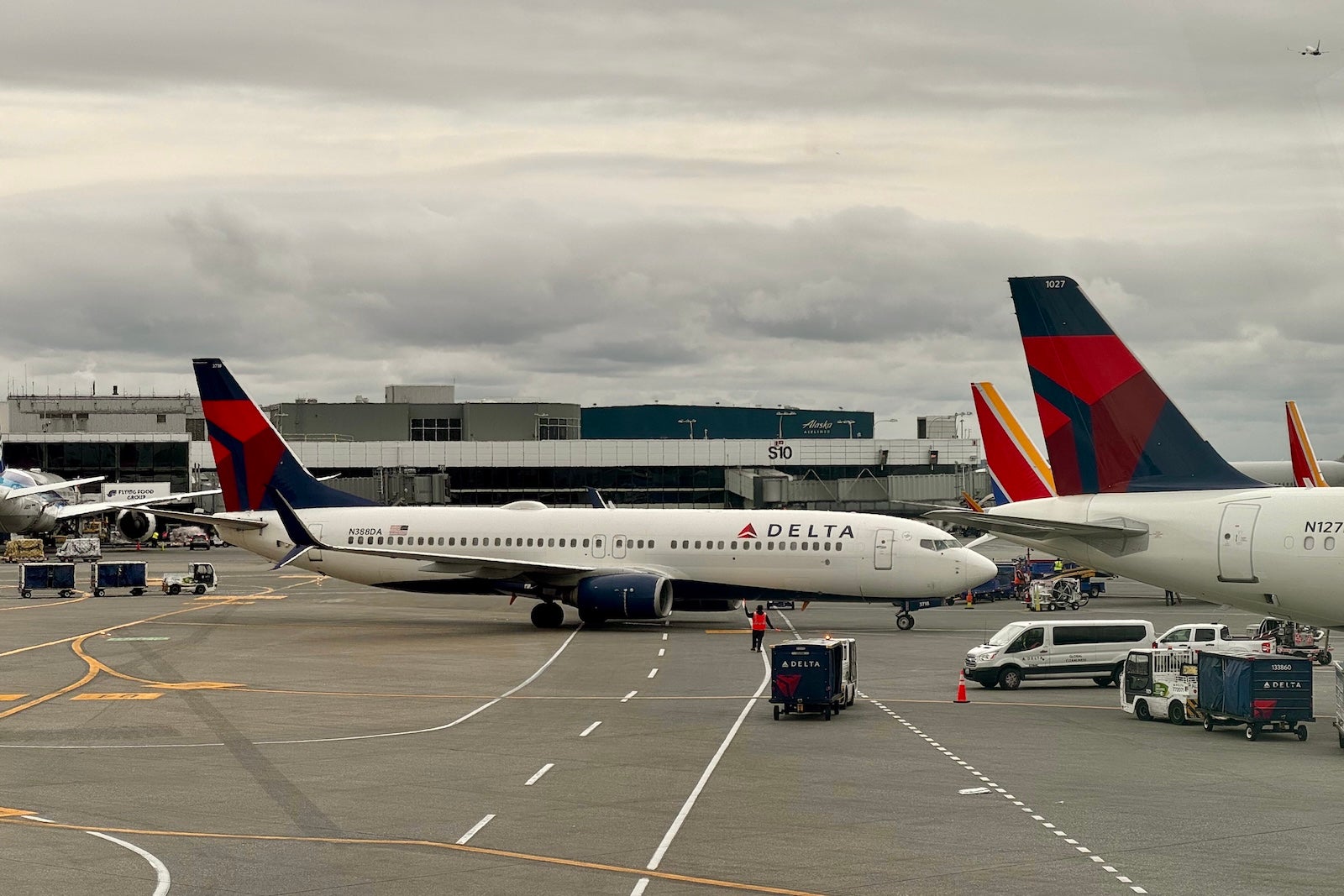
In fact, it was only 16 years ago that Delta Air Lines became the first “legacy” airline to debut the no-frills fares. At the time, the setup was simple: Save $20 or $30 on your fare, but lose the right to select your seat or make changes after booking.
In a prophetic 2012 article, TPG founder Brian Kelly predicted the concept would prove to be “a precursor of more things to come.”
It did.
By the late 2010s, nearly every major network carrier in the U.S. had added a basic ticket category. The big airlines saw it as a way to compete with then-upstart budget foes like Frontier Airlines and Spirit Airlines — carriers that run on low, stripped-down fares and charge add-on fees for almost everything else.

Daily Newsletter
Reward your inbox with the TPG Daily newsletter
Join over 700,000 readers for breaking news, in-depth guides and exclusive deals from TPG’s experts
By signing up, you will receive newsletters and promotional content and agree to our Terms of Use and acknowledge the data practices in our Privacy Policy. You may unsubscribe at any time.
Early days: Baggage, seat selection restrictions
Since basic economy became part of the collective dialogue of frequent flyers, the fares have undergone a series of evolutions.
In the early days, many airlines opted for practical restrictions on their skinny tickets. For example, multiple carriers banned basic flyers from carrying on a full-size bag. (Today, among the full-service carriers, only United Airlines still has that restriction.)
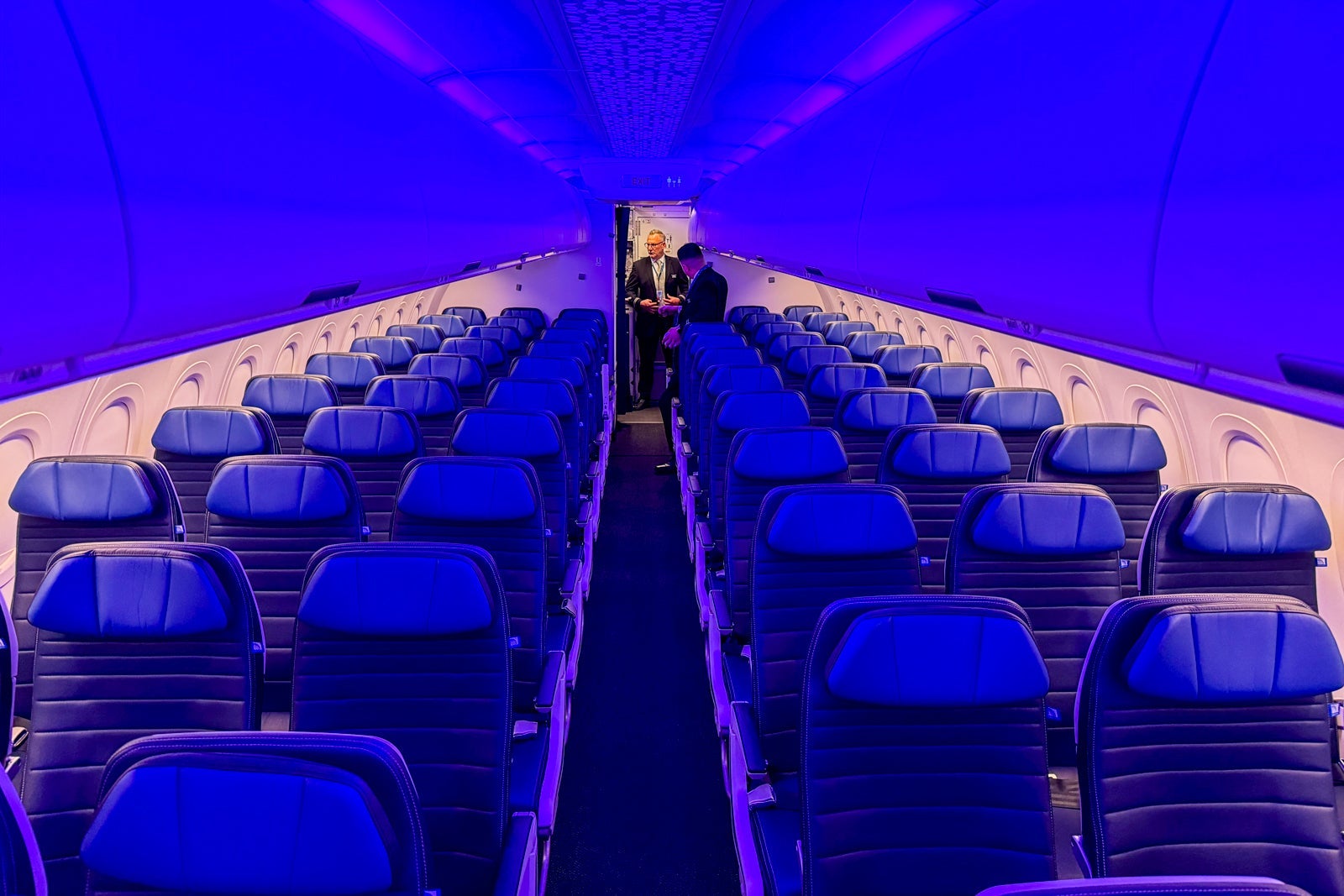
After the peak of the COVID-19 pandemic, flexibility was top-of-mind for travelers and change fees had disappeared on standard bookings. At that point, the ability to change a reservation (or not) became one of the biggest differences between a basic and a full-fare economy ticket.
Basic economy in 2026
But in recent years, airline loyalty membership has ballooned and credit cards have become even more ingrained in the business of flying.
And carriers have pounced on travelers’ love for their perks, dangling miles, access to elite benefits and entry to lounges as the proverbial carrot in nudging frequent flyers away from purchasing the cheapest fares.
“It’s been an evolution,” industry analyst Bill Swelbar told TPG. “And I don’t think the evolution has stopped.”
In fact, it’s accelerating as we speak.
A dizzying wave of basic economy changes
The changes to airlines’ basic economy policies have come fast and furious over the past few months.
In December, American Airlines drew the ire of customers when it decided to bar passengers flying on its no-frills fares from earning any miles or credit toward elite status.
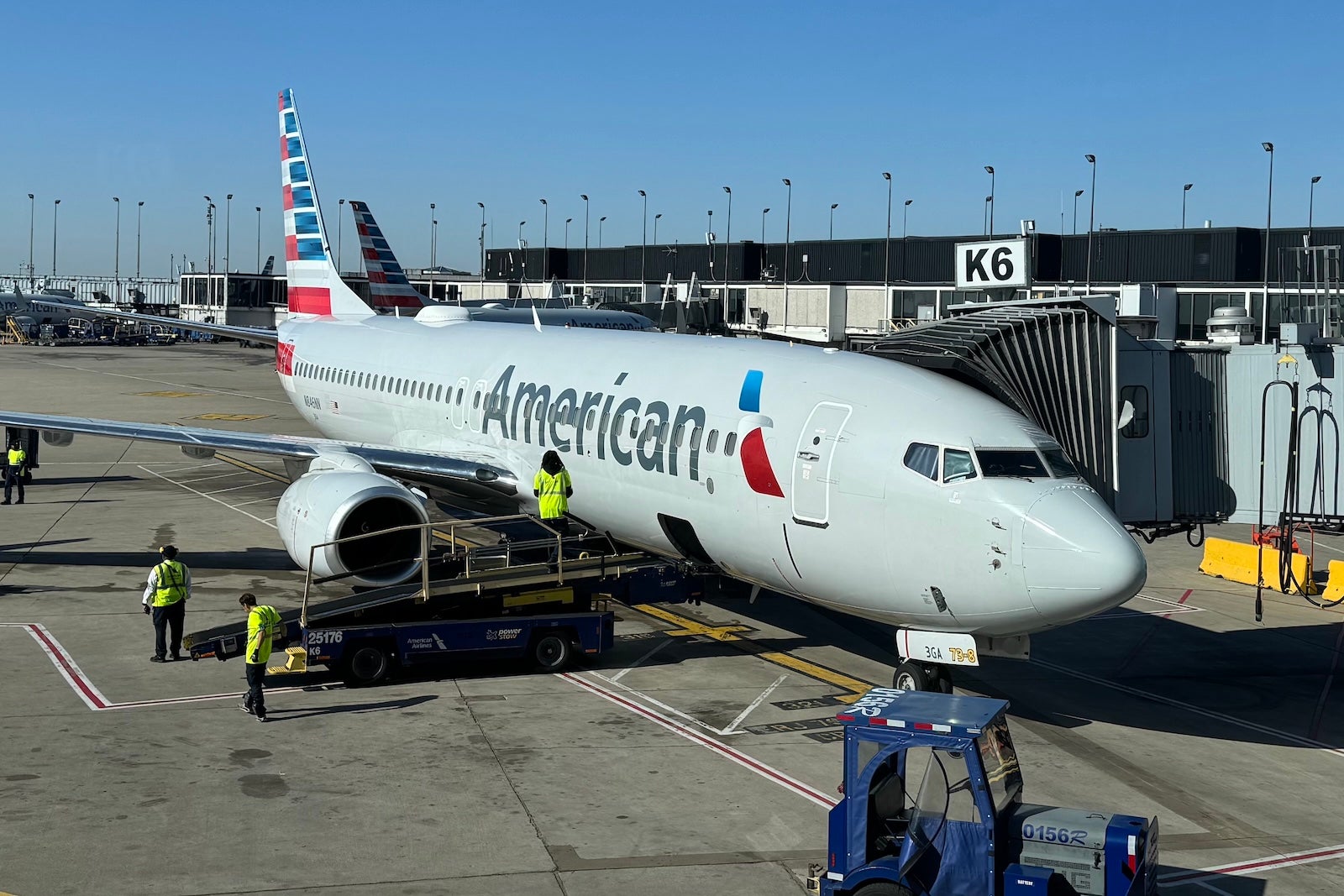
Last month, United did virtually the same thing — carving out exceptions only for flyers who carry one of its credit cards or who earn their way to status.
JetBlue recently decided to bar its “Blue Basic” passengers from entering its inaugural airport lounge in New York City — even those who gain access via the carrier’s new $499-per-year credit card.
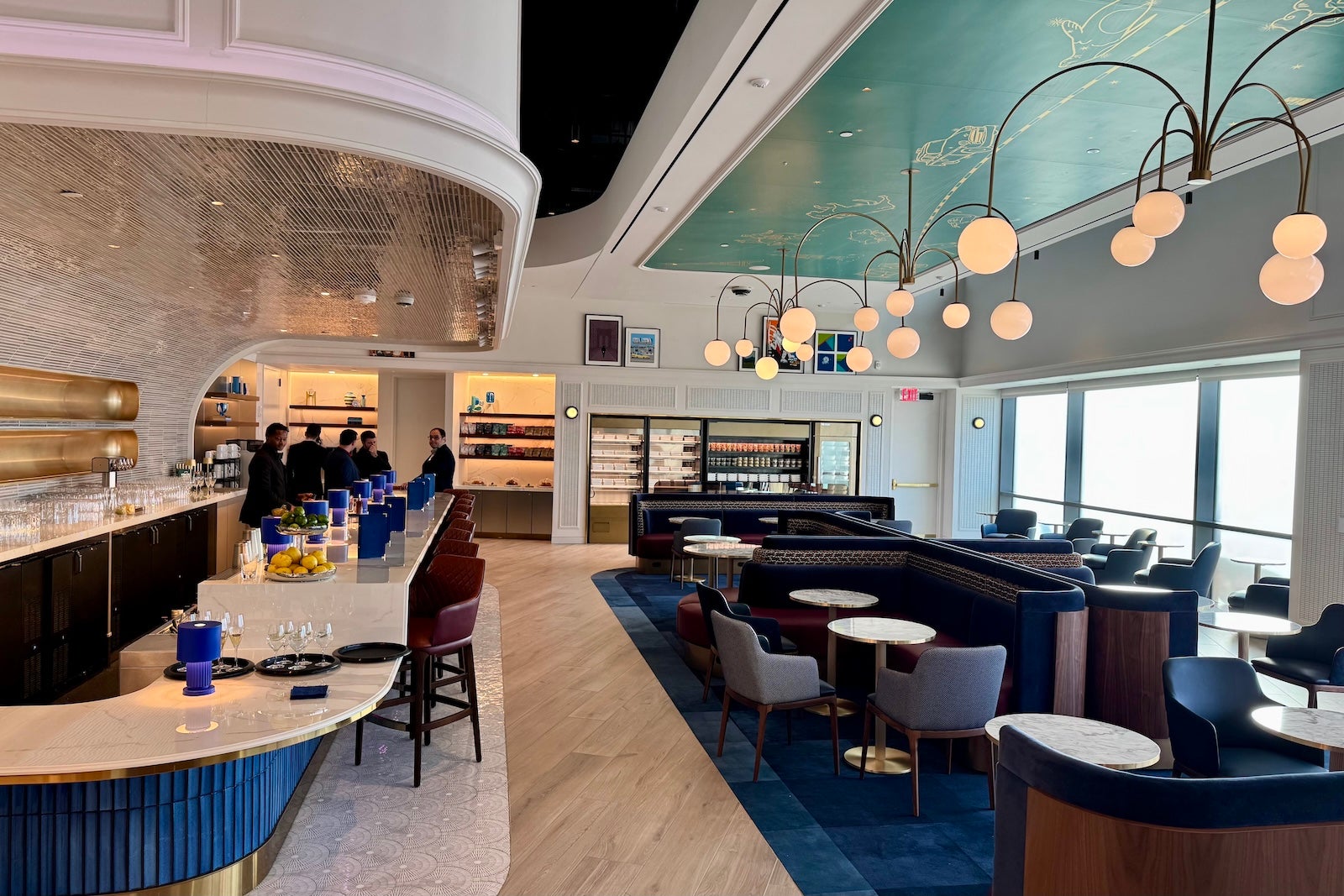
Delta Air Lines (which has a similar policy for its Sky Clubs) has openly mused about bringing the “basic” concept to its first- and business-class cabins. It has already done just that for the extra legroom “Comfort” section of its planes.
Even Southwest Airlines now has a no-frills fare that cuts out seat selection for most passengers — a system shock after years of letting everyone hunt around for their favorite seat after boarding.
What a basic economy ticket excludes on the 6 largest US airlines
| No ticket changes allowed | All |
|---|---|
|
Only partial trip credit if you cancel
|
All but Southwest |
|
Full-size carry-on bag prohibited
|
United (unless you have a credit card or elite status) |
|
No miles earned
|
United (unless you have a card or status), American, Delta |
|
Miles earned at a reduced rate
|
Southwest, Alaska Airlines, JetBlue |
|
No lounge access
|
Delta, JetBlue |
|
No complimentary status upgrades
|
Delta, United |
Keep in mind, the budget carriers (like Frontier, Spirit and Allegiant Air) still tend to offer some of the most restrictive basic fares.
Why basic economy is changing
What is driving these evolving restrictions on basic economy tickets?
Industry analysts say it’s the airlines’ push to draw clear contrasts on the menu of what you get — and what you don’t — when booking a flight.
And having more card-carrying, lounge-loving, status-seeking travelers boarding planes every year gives airlines more options on how to carve up their fares — and cabins.
“Loyalty has a lot more product to offer today than it has in the past,” Swelbar, chief industry analyst at Swelbar-Zhong Consultancy, said. “It’s not just a bigger chair, right? It’s having the availability of many products — whether it’s in the airport, on the airplane, [or] destinations for frequent flyers.”
The cash you save makes it a tough choice
Given the minefield of potential restrictions you can run into when purchasing a basic economy fare, the suggestion would seem simple: Don’t book it … right?
The dollars and cents make the choice harder.
It’s often not a matter of saving a few bucks.
For instance, on this round-trip journey between Raleigh, North Carolina, and Los Angeles, American recently wanted $125 more for a standard coach ticket than for a basic ticket — a 25% difference.

“In general, we’ve seen the difference between main and basic become more dynamic throughout the years,” a spokesperson representing the airfare experts at Going.com told TPG.
What to consider before booking basic economy
Passengers considering a basic fare should closely weigh the cash savings with the value of the miles they’d otherwise earn. They should also ponder how much they value less tangible benefits like entering a lounge, being in the elite upgrade queue or getting credit toward status.
Travelers should certainly not assume that just because they had a stress-free basic economy experience last time, things will be the same next time — especially considering the recent influx of changes (and those likely on the horizon).
The benefits of basic economy
There is some consumer benefit when it comes to basic fares, to be sure. Airlines would tell you the unbundled options give customers more choice, and that they are a way to save on the ticket by stripping away the “extras.”
“There’s more we can offer the customer based on what they’re willing to pay,” Delta chief commercial officer Joe Esposito said in January.
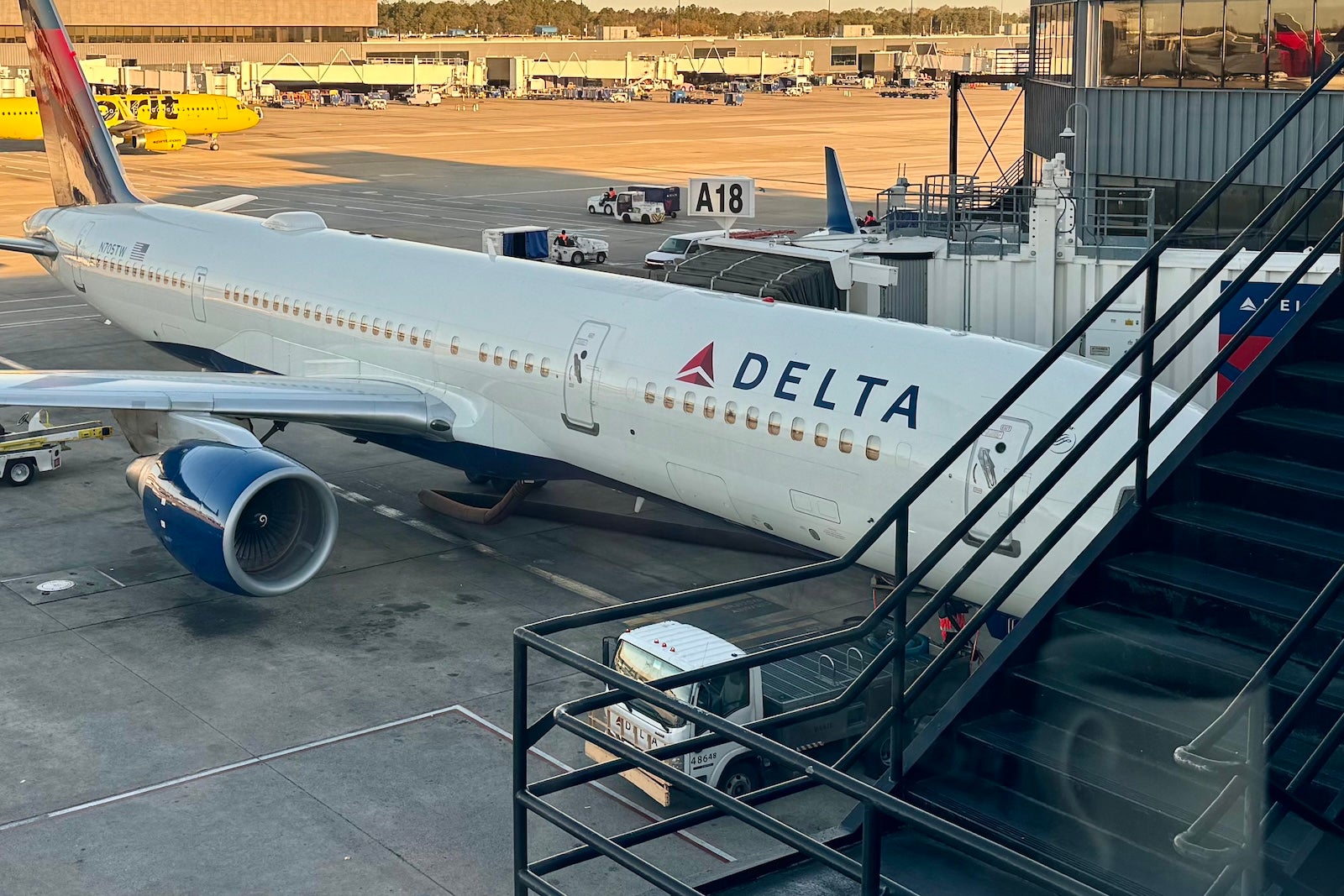
But more cynical flyers might suspect basic fares also lead to a scenario where consumers ultimately end up paying the same price for a fare that includes less than it did before — or paying even more to avoid the no-frills fare.
The ‘evolution’ continues
We expect airlines to lean more heavily into “basic” in the months and years ahead — from the coach cabin to their lie-flat, business-class seats.
“It’s hard to imagine we’re going to move away from this anytime soon,” Swelbar said. “This is a revenue game we’re playing like never before.”
Don’t be surprised if more carriers add prohibitions on lounge access, mileage earning and elite perks on their basic fares. And, expect the restrictions to get increasingly tough for customers who don’t carry an airline-affiliated credit card — something United flyers will learn firsthand when the airline’s new rules take effect next month.
“As a competitive tool, it’s done exactly what we wanted it to,” United chief commercial officer Andrew Nocella said of basic economy, speaking on an earnings call last year. “And it does seem to me the more of it we do, actually, the better off we are.”
Related reading:
Disclaimer : This story is auto aggregated by a computer programme and has not been created or edited by DOWNTHENEWS. Publisher: thepointsguy.com