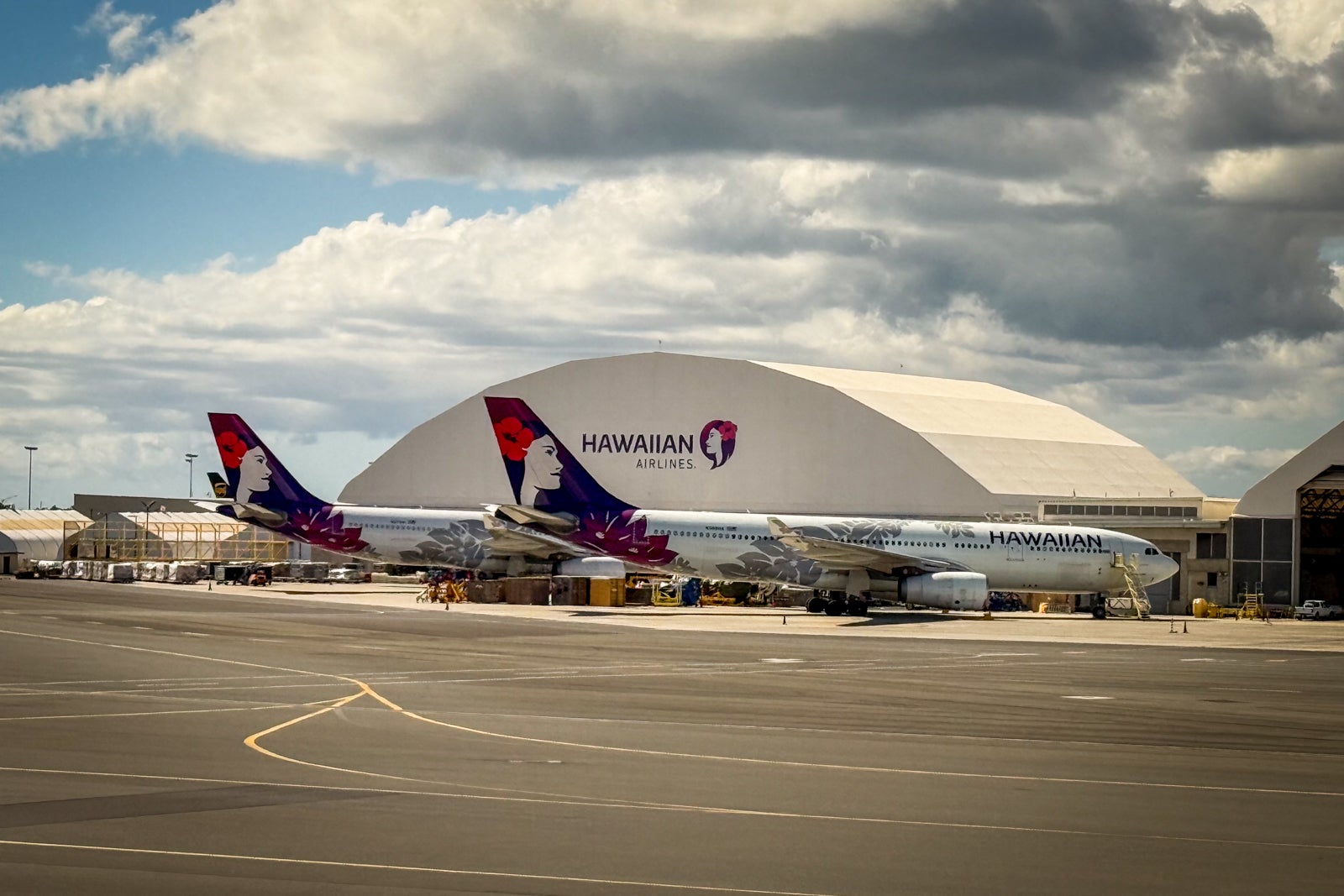
What’s in a brand?
For Hawaiian Airlines, it’s the people, culture and place that the carrier is rooted in. If the islands had a flag carrier, it would be Hawaiian.
That brand loyalty in Hawaiian’s namesake islands, as well as Asia, the South Pacific and California, is why Alaska Airlines is keeping it around. As Alaska CEO Ben Minicucci and other executives have put it, flyers should expect to see the Pualani rather than Chester the Eskimo when flying to, from or within Hawaii.
“The brand is so much more than the visual expression,” Diana Birkett Rakow, CEO of Hawaiian, told TPG in an exclusive interview in Washington, D.C., in late February. “It really starts with the people. It starts with the culture. It starts with a sense of place [and] how people treat each other.”
Enter Alaska’s new one airline, two brands strategy. It is a seldom-used strategy in the airline world, with more failed attempts than successes. Remember Delta Express or Shuttle by United?
Staff will all be part of one team, or “ecosystem” as Birkett Rakow put it, with the differences limited to the livery on the side of the plane and the onboard experience. Everything from the technology running the airline to loyalty earning (through the popular Atmos Rewards program that launched last year) will be the same.
The strategy follows Alaska’s $1.9 billion takeover of Hawaiian, which closed in 2024. The deal fortified Seattle-based Alaska’s position as the fifth-largest airline in the U.S., behind the Big 4 but well ahead of the sixth-largest, JetBlue Airways. It also marked the beginning of the airline’s globalization, with intercontinental flights from Seattle-Tacoma International Airport (SEA) launched in 2025 and expanding to Europe this summer.
Birkett Rakow, who is only four months into the CEO job at Hawaiian after nine years at Alaska, is the rare corporate leader who reports to another CEO, Minicucci. Publicly, they are in lockstep on their plans, both voicing the benefits of preserving and investing in the Hawaiian brand for the airline as a whole.
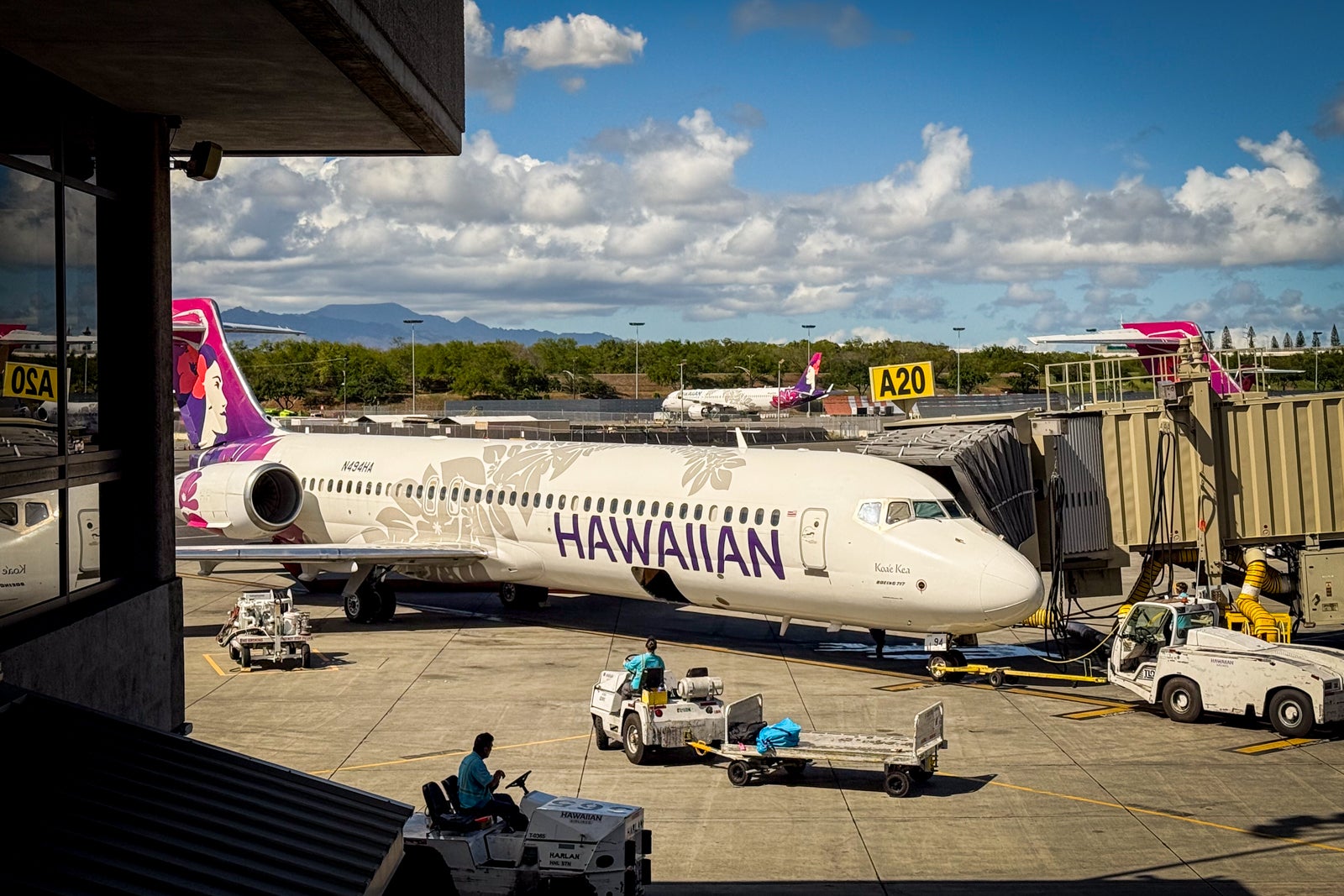
Hawaiian at the airport
Alaska is rolling out new signage to reflect the dual branding at airports across its map. Rather than a straightforward approach where every airport gets both brands equally, the airline is being much more deliberate.

Daily Newsletter
Reward your inbox with the TPG Daily newsletter
Join over 700,000 readers for breaking news, in-depth guides and exclusive deals from TPG’s experts
By signing up, you will receive newsletters and promotional content and agree to our Terms of Use and acknowledge the data practices in our Privacy Policy. You may unsubscribe at any time.
“There’s very clear parameters based on what brand leads in the market … or whether sort of both brands lead in the market, and there’s very clear parameters to keep the two brands distinct, and then that guides how we actually execute,” said Birkett Rakow.
Take, for example, Honolulu’s Daniel K. Inouye International Airport (HNL). While both Alaska and Hawaiian fly there, the latter brand will be more prominent as it is the dominant brand in the market. The same will be true in Asia and the South Pacific.
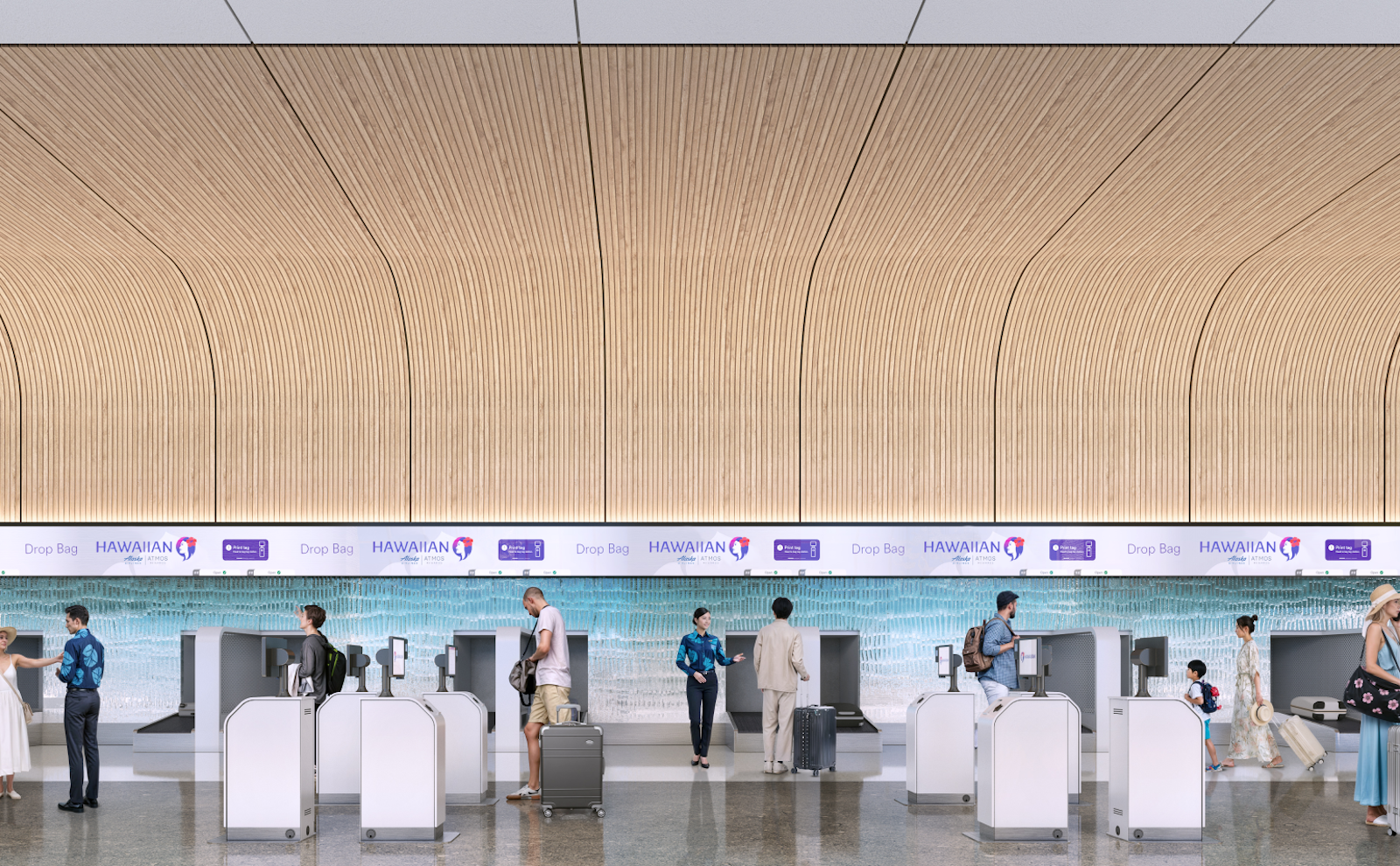
Conversely, the Alaska brand will remain dominant at SEA and other markets where it is the lead brand.
In California, where both the Alaska and Hawaiian brands have strong followings, the brands will have roughly equal prominence, said Birkett Rakow. “In all airports, the brands show up together because we want to teach guests that it’s all part of the ecosystem,” she added.
And, to be clear, travelers can expect to see Chester-adorned planes in Hawaii on occasion.
“Maybe it’s because that aircraft is required for the airport capability on the continent,” reasoned Birkett Rakow. “Or, there might be [aircraft] swaps. You’ll always see the Alaska brand pop up there.”
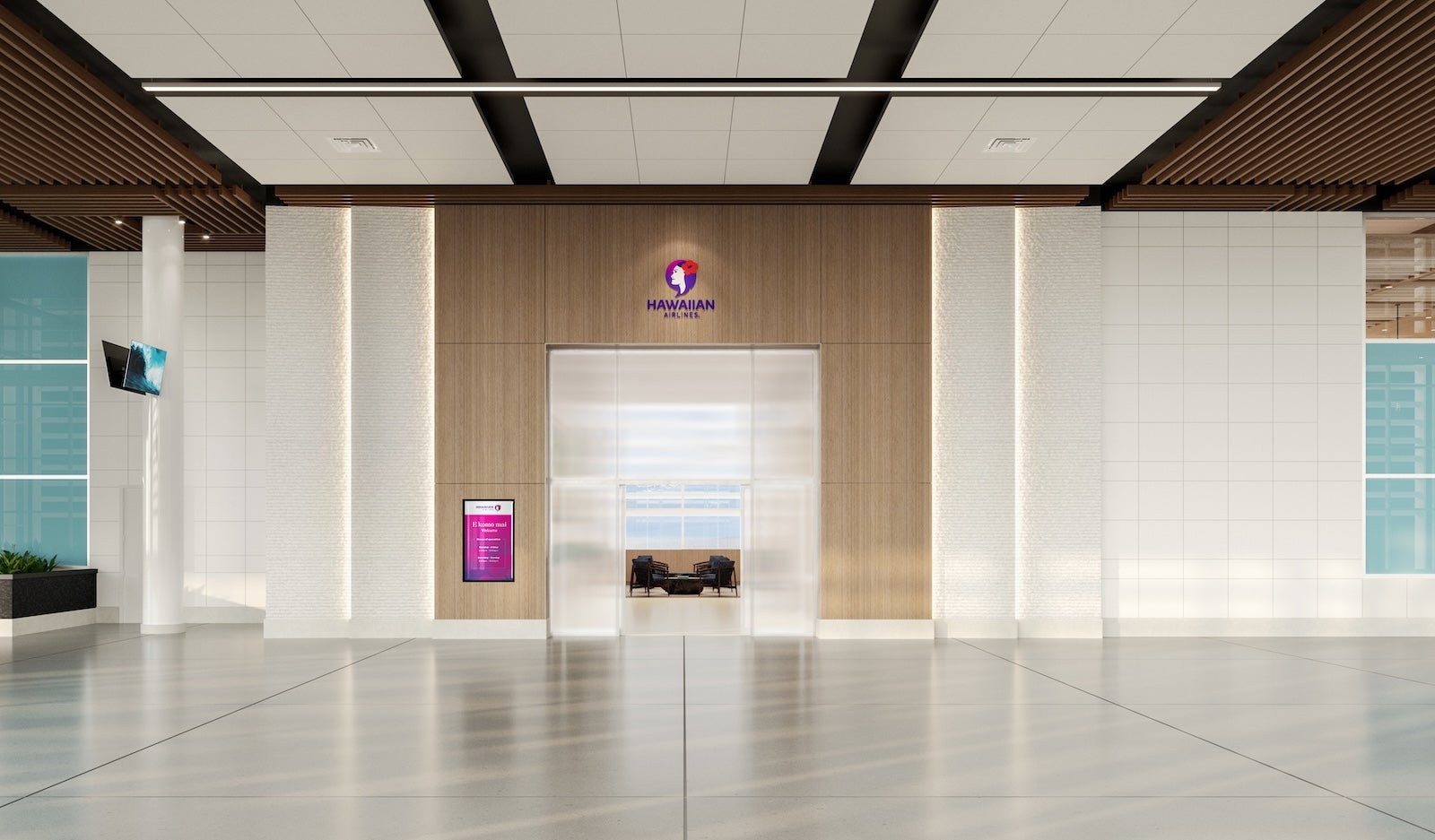
Elsewhere at HNL, Hawaiian is building a new 10,600-square-foot premium lounge in the Mauka Concourse that, as Birkett Rakow described it, will have the finishes of Alaska’s posh lounge in the North Satellite at SEA, but with a distinctly Hawaiian look and feel.
Hawaiian onboard
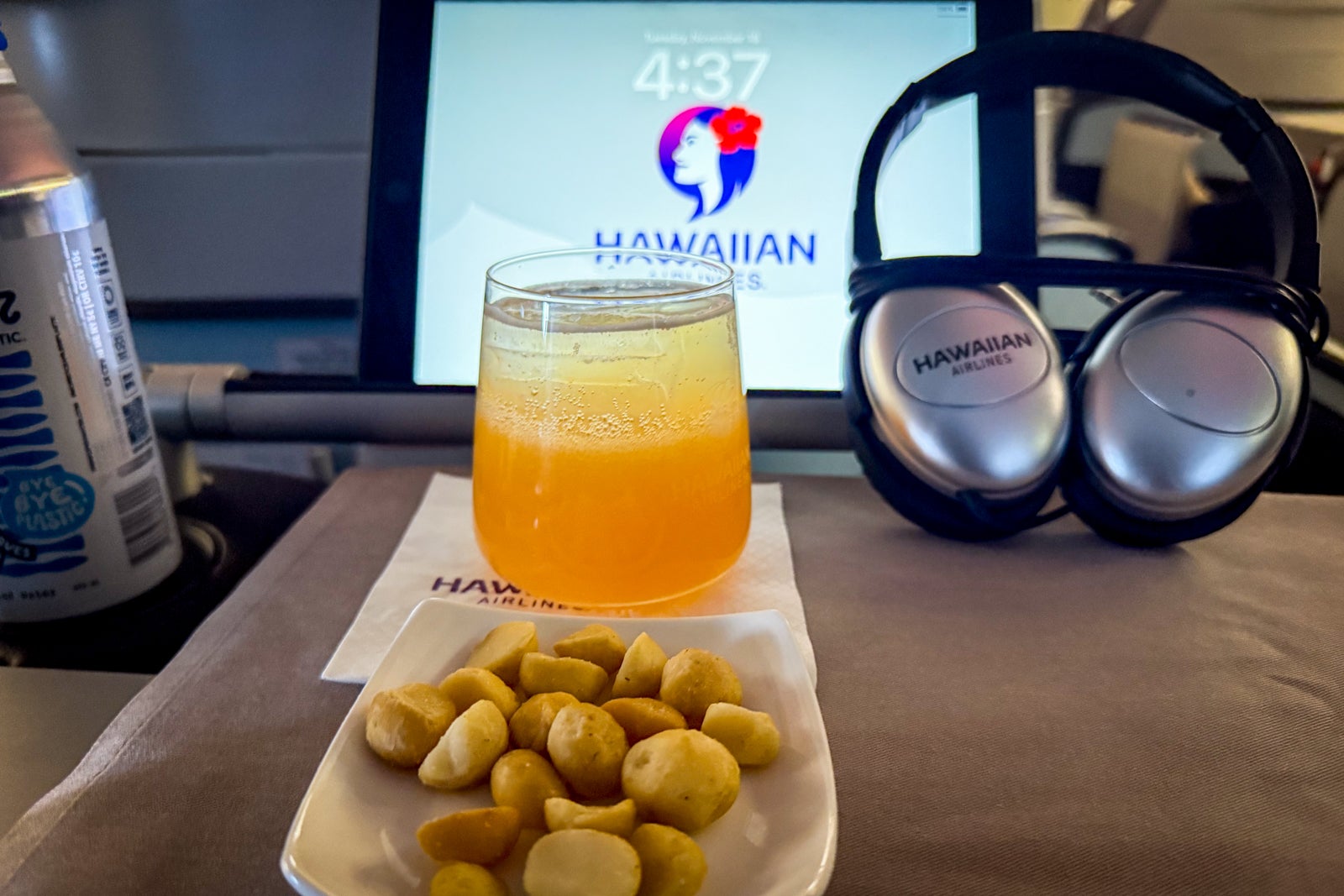
POG juice, the onboard staple of Hawaiian flights, is sticking around in what is likely a relief to the airline’s loyal fliers. But the product distinction between Hawaiian- and Alaska-branded flights doesn’t stop at juice. Everything from the food and beverages available onboard to the bedding and amenity kits in premium cabins will be different between Hawaiian and Alaska flights.
For example, travelers can look forward to Kohana Rum cocktails and Lion Coffee — two distinctly Hawaiian brands — on Hawaiian flights, and expect Pacific Northwest staples Straightaway Cocktails and Stumptown Coffee on Alaska flights.
Earlier in March, Hawaiian announced a new executive chef, Dell Valdez of Hawaii, who will craft the brand’s international business-class meals and domestic first-class menus on flights to and from HNL.
Adopting this dual-brand onboard strategy is good news for travelers who like Hawaiian’s Hawaiian-ness. But the move raises questions of cost for the airline; stocking two cocktails and two coffees, among the hundreds of other unique onboard items, adds complexity in an industry that abhors the word.
“Sure, maybe you could get some efficiencies about making it all the same, but you would no longer have two distinct, valuable brands,” said Birkett Rakow when asked about this added complexity. “You’d have a mishmash. You actually might have one less valuable brand because you’ve lost the distinctiveness of both.”
“If you go with [the] premise that each [brand] is inherently valuable, then preserving it is important,” she continued.
Whether Alaska generates enough value from the Hawaiian brand and all of its facets to outweigh the costs remains to be seen. Executives have promised to wring $1 billion in additional profit from Hawaiian — and Alaska’s own globalization — by 2027.
The Hawaiian segment of Alaska’s business posted a $189 million operating loss in 2025, a number that Birkett Rakow said factored in about half the year before. The group as a whole turned a $146 million operating profit.
What’s next in the Alaska-Hawaiian merger
For all the discussion of Alaska’s dual-brand strategy, it is easy to forget that the merger with Hawaiian is far from done. The airlines achieved a single operating certificate — a step that allowed them to combine operations behind the scenes — in October 2025 and plan to combine reservation systems in April.
The April cutover with Hawaiian moving from its Amadeus-powered reservation platform — or “passenger service system” (PSS) in airline parlance — to Alaska’s Sabre-powered system will be the last major customer-facing change for the carriers. The switch is already underway, with reservations currently being “drained” from Hawaiian’s system and the final move scheduled for overnight from April 21 to 22.
“We’re doing a lot of planning. A lot of testing,” said Birkett Rakow, adding that she is confident it will be a smooth transition for passengers.
And, as if PSS was not enough, Hawaiian will officially join the Oneworld alliance the next day on April 23.
Oneworld membership will open up Hawaiian flights to all alliance members, not just Alaska’s partners. That means, for example, a Qantas Frequent Flyer or Japan Airlines Mileage Bank member will receive benefits when flying on Hawaiian or traveling through HNL.
In the end, for Alaska it comes down to preserving — and benefitting from — the uniqueness that is Hawaiian Airlines.
“The Hawaiian brand is of Hawaii, and it carries Hawaii around the globe,” said Birkett Rakow.
Disclaimer : This story is auto aggregated by a computer programme and has not been created or edited by DOWNTHENEWS. Publisher: thepointsguy.com