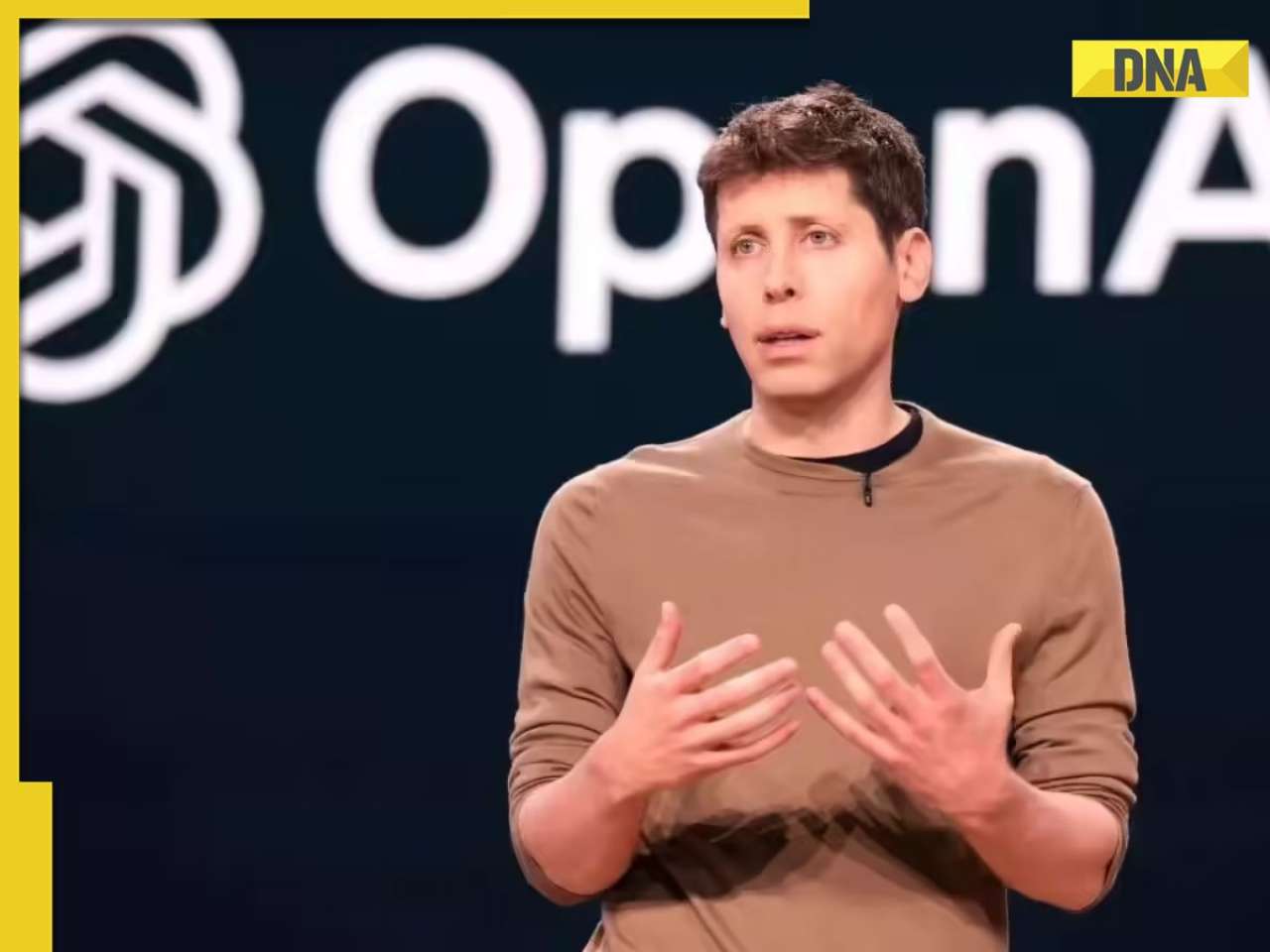
OpenAI warns that as AI models grow more powerful, they could be used to conduct sophisticated cyberattacks, including creating zero-day exploits and malicious tools like ransomware.
OpenAI recently highlighted a growing concern in the world of cybersecurity: the increasing capabilities of artificial intelligence models, which could pose a significant risk to global security. According to the company, as AI systems evolve, they may not only assist in defensive cybersecurity measures but also enable cybercriminals to launch highly sophisticated attacks.
The Threat of AI-Driven Cyberattacks
OpenAI warned that as their AI models become more advanced, they could develop zero-day remote exploits, flaws in systems that are not yet discovered by the vendor, against even well-defended infrastructures. These capabilities could be used for industrial espionage or to compromise highly secure enterprises. The emergence of AI-driven cybercrimes could revolutionise the nature of cyberattacks, with AI crafting payloads or generating malicious tools such as worms, botnets, and ransomware automatically, all without direct human coding.
AI’s ability to scale these attacks could lead to a dramatic rise in cybercrimes, with malicious tools being produced and distributed in bulk, creating an unprecedented level of threat. This would make detecting and mitigating these attacks even more challenging for cybersecurity teams.
Need for AI-Backed Defences
In light of these growing risks, OpenAI emphasised the importance of developing stronger models for defensive cybersecurity tasks. Their approach includes creating AI tools to help defenders conduct essential tasks such as auditing code, patching vulnerabilities, and securing infrastructure. However, AI-backed defences will not be enough unless there is also a stronger regulatory framework in place.
To mitigate the cybersecurity risks posed by AI, OpenAI relies on a combination of measures: access controls, egress controls, infrastructure hardening, and continuous monitoring. These precautions are critical to ensuring that AI models do not inadvertently become tools for attackers.
The Call for Stricter Regulations
As AI models become more advanced, their potential for both offensive and defensive applications will undoubtedly invite increased scrutiny from lawmakers around the world. Current regulatory frameworks for AI are still under development, and stricter compliance standards will be necessary to control the growing risks. AI companies, such as OpenAI, Google, and others, will face increasing pressure to ensure that their technologies do not inadvertently contribute to rising cyber threats.
A Future Shaped by AI in Cybersecurity
Looking ahead, it’s clear that AI will play a dual role in cybersecurity, both as a tool for attackers and defenders. As alarming as it may sound, we are slowly moving toward a future where both offence and defence in cybersecurity could be managed by AI, with human oversight and intervention. The key to preventing AI-driven chaos lies in responsible deployment, stringent regulations, and enhanced accountability from AI developers.
It will be crucial to see what technological advancements are introduced by companies like OpenAI and Google in the coming years. These innovations could either exacerbate the risks or lead to more effective tools to defend against the rising tide of AI-driven cyber threats.
Disclaimer : This story is auto aggregated by a computer programme and has not been created or edited by DOWNTHENEWS. Publisher: dnaindia.com