
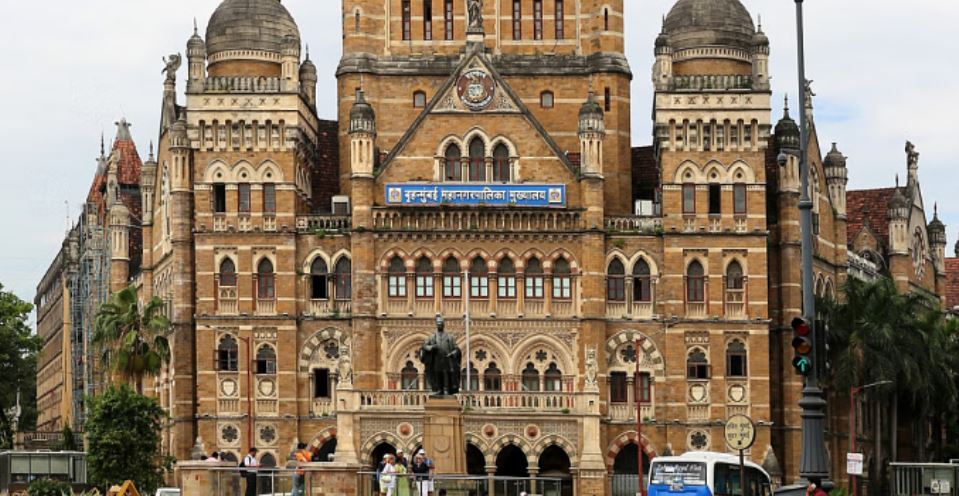
Mumbai: India’s richest civic body – the Brihanmumbai Municipal Corporation (BMC) – on Wednesday presented its Budget for 2026-27, marking the first time in four years that the civic budget was tabled before an elected general body following the long-delayed municipal polls. The budget has an outlay of Rs 80,952 crore, marking a notable rise from last year’s outlay of Rs 74,427.41 crore.
The BMC’s annual budget is higher than even small states like Kerala, Goa and north-east states. One of the major decisions the BJP-ruled civic body has taken this year is to use a significant share of Rs 81,449.32 crore in fixed deposits (FDs) for infrastructural works. Rs 36,623.09 crore is currently available for ongoing and planned infrastructure projects, said municipal commissioner Bhushan Gagrani.
According to him, the civic body’s reserves in fixed deposits stand at Rs 81,449.32 crore at present, of which Rs 44,826.23 crore is committed to liabilities such as provident fund, pension fund, and gratuity, and security deposits from contractors. While Rs 36,623.09 crore is available for infrastructure work.
“If the revenue generation is proper and cash flow is managed then we don’t have to touch the reserves, which is Rs 81,449.32 crores. If required then only it will be used,” said Mr. Gagrani.
This year as well the BMC budget shows dip in reserve funds, with reserve funds standing at Rs 81,449.32 crore. The civic body’s reserves had peaked to Rs 91,690 crore in 2021–22 during the reign of Shiv Sena (UBT), but have steadily declined as funds are diverted to massive infrastructure projects.
The BMC’s decision to use fixed deposits is in line with the BJP’s policy of using the funds for city development. The saffron party had criticised the previous ruling party Shiv Sena (UBT) of keeping the funds idle, whereas the Uddhav Thackeray-led party has accused the BJP of misusing the funds under the guise of development.
Among the major decisions in the budget, the civic body, in a move aimed at reinforcing Mumbai’s architectural identity, announced plans to construct grand entrance structures with clock towers at four key entry points to the city. The project seeks to enhance the city’s aesthetic appeal and create iconic gateways for visitors.
The initiative, originally proposed by the newly appointed Mayor Ritu Tawde, is intended to pay tribute to what the administration described as the timeless spirit and identity of Mumbai.
Building on its push for eco-friendly Ganesh idol immersion, the BMC announced that it will launch an Environmental Festival Project in the coming financial year. The initiative will scientifically classify, decompose and recycle immersion residues from various festivals to reduce pressure on the city’s natural water bodies.
Presenting the budget, BMC chief Gagrani said the civic body continues to prioritise capital spending. “Capital expenditure forms almost 60% of the budget at Rs 48,164 crore,” he said.
Of the total budget, 60 per cent (Rs 48,164.28 crore approx) has been allocated for capital expenditure, focusing on infrastructure development, urban renewal projects, and long-term investments. While the remaining 40 per cent (Rs 32,788.28 crore approx) is set aside for revenue expenditure, which includes salaries, maintenance, and operational costs of various civic services.
Disclaimer : This story is auto aggregated by a computer programme and has not been created or edited by DOWNTHENEWS. Publisher: deccanchronicle.com



