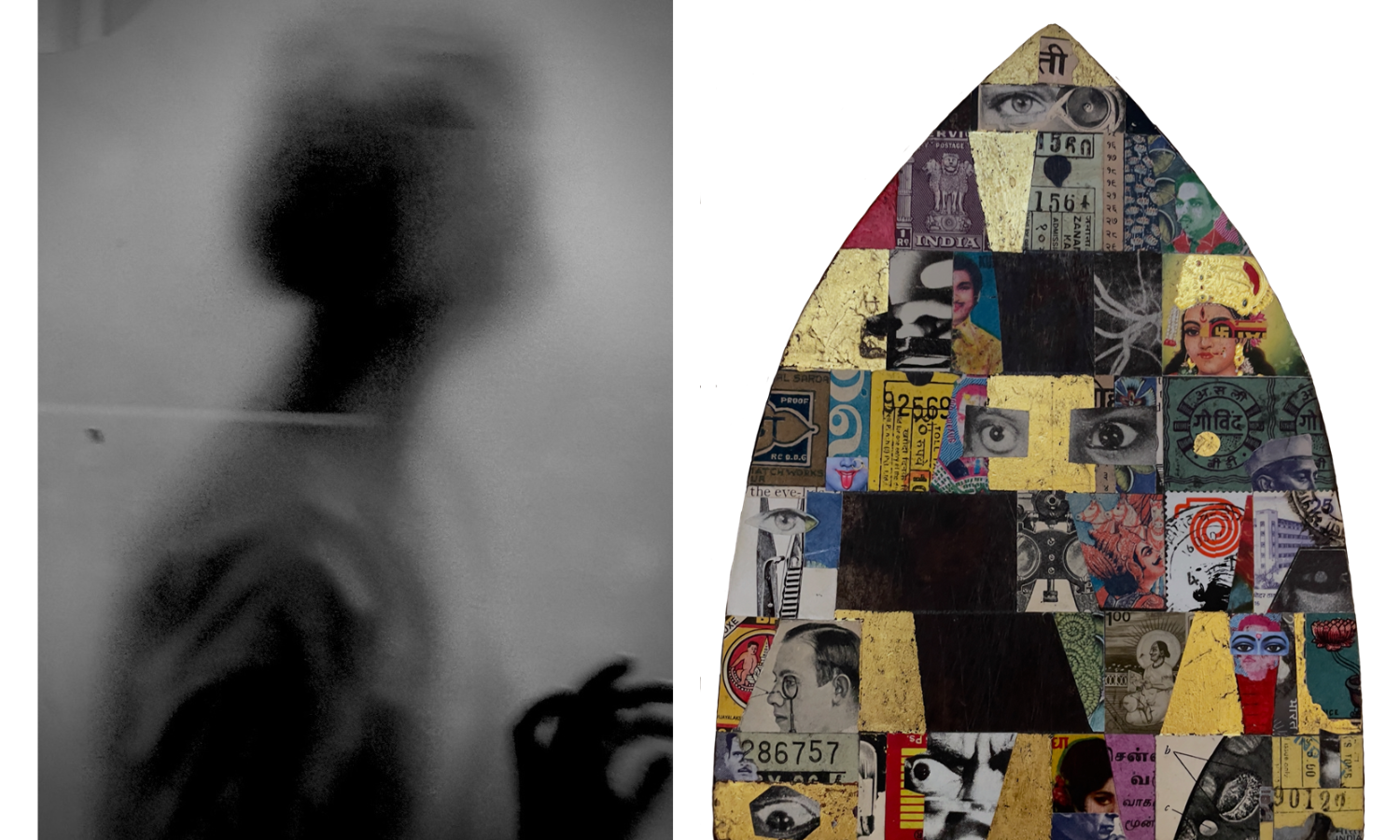
New Delhi: In April 2026, Bikaner House will host a major new body of work by British artist Stuart Robertson, created during an 18-month residency at Dr Shroff’s Charity Eye Hospital in Daryaganj, New Delhi. Working across photography, drawing, bronze sculpture and cyanotype, Robertson offers an intimate and deeply human portrait of one of India’s most respected charitable eye institutions.
This exhibition rests on a simple yet profound meeting point: sight. Within Dr Shroff’s Charity Eye Hospital, vision is restored daily through skill and compassion; for the artist, vision is an act of patience and attention. In this shared space, surgeon and artist become quiet counterparts — one repairing the eye, the other listening to what the eye reveals. Photographs shaped by shadow, drawings made in stillness, and cyanotypes developed by sunlight all return to the same fragile miracle: the gift of seeing.
The residency began unexpectedly. A few years ago, Robertson sold two large watercolours to a Delhi-based eye surgeon. Moved to give back, he donated the proceeds to the surgeon’s hospital – Dr Shroff’s Charity Eye Hospital. That act of generosity led to an invitation to spend time within the hospital as an artist in residence. What followed was an immersion into a world rarely seen by outsiders: the quiet heroism, discipline, compassion and complexity of hospital life.
Robertson, who once worked as an artist for The Times of India, approached the residency not as a documentarian alone, but as a witness. His lens moves from the operating theatres to waiting rooms, from trainee surgeons to gardeners and security guards. The result is an expansive meditation on care and community – on the many visible and invisible roles that allow a charitable hospital to function and innovate with precision and heart.
Much of the photography is monochromatic, lending a documentary stillness in which postures are unguarded and faces are honest. Alongside these photographs are intimate drawings made on site, bronze sculptures that distil human presence into enduring form, and cyanotypes – sun-developed images that align the exhibition’s quiet dialogue between light and sight.
The hospital itself becomes a kind of clockwork system in Robertson’s work: surgeons as both engine and heart; nurses, selfless and unwavering, as its lifeblood; guards watchful yet relaxed; trainees intent and hopeful. Each role is observed within its own designation, yet always in relation to the whole. The exhibition reveals how dedication, charity and compassion sustain not only vision, but dignity.
British artist Stuart Robertson
Importantly, the hospital does not exist in isolation. Situated in Daryaganj, near the historic quarters of Old Delhi and Chandni Chowk, it is inseparable from its urban fabric. Robertson extends his practice into the surrounding streets, capturing moments that echo back into the corridors of the clinic.
This is the first project of its kind in Delhi to embed an artist so fully within a working charitable hospital. The resonances between art and ophthalmology, between perception and insight, light and healing, give the exhibition particular relevance.
The exhibition helps bring together awareness of problems of blindness and eye diseases to the general public and gives them an opportunity to see for themselves at a well-respected gallery in Delhi.
Accompanying the exhibition is Robertson’s ongoing blog, Art of Sevā, which has featured reflections from poets, surgeons and nurses, expanding the conversation beyond the gallery walls. Together, these works offer more than documentation. They form a quiet yet powerful reflection on service, vision and shared humanity – an artist’s honest response to a place where compassion is practiced daily, and where sight, in every sense, is restored.
Disclaimer : This story is auto aggregated by a computer programme and has not been created or edited by DOWNTHENEWS. Publisher: deccanchronicle.com