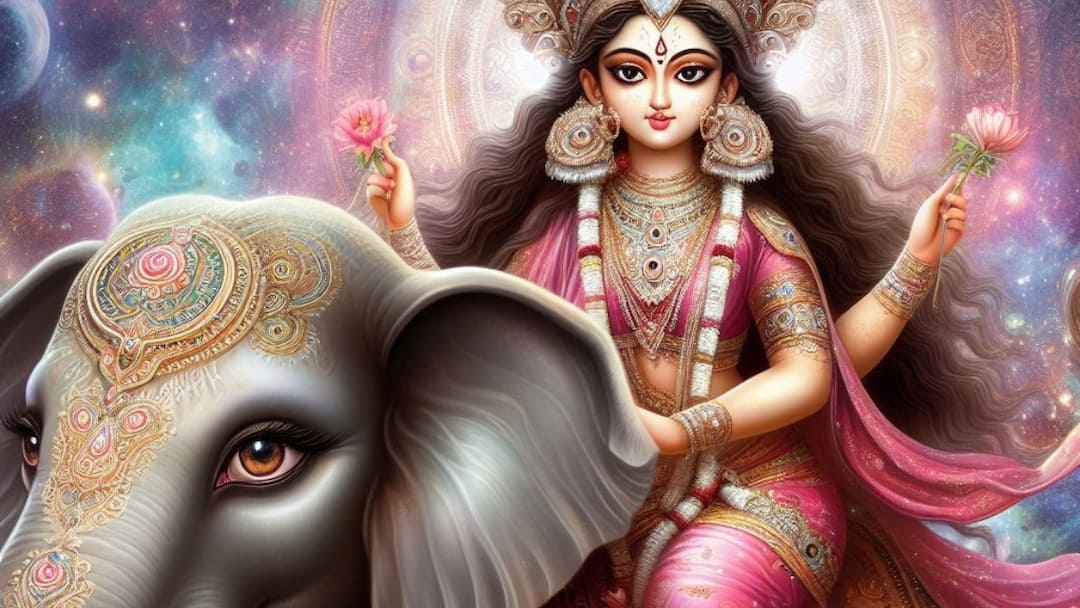
Chaitra Navratri 2026: Chaitra Navratri is one of the most sacred festivals in Hinduism, celebrating the divine power of Goddess Durga and her nine forms. Devotees observe nine days of fasting, prayer, and spiritual devotion to seek the blessings of the Mother Goddess. In 2026, Chaitra Navratri will begin on 19 March and conclude on 27 March, marking a spiritually significant period during the spring season, which is why it is also known as Vasanti Navratri.
According to traditional beliefs, the vehicle (vahana) on which Goddess Durga arrives and departs during Navratri carries symbolic meanings and is believed to indicate signs for the coming months. These celestial signals are closely observed by devotees and astrologers alike, as they are thought to reflect possible changes in nature, society, and the overall environment.
ALSO READ: Chaitra Navratri 2026: Will Panchak Affect Ghatasthapana? Know The Ritual Rules
Maa Durga’s Arrival On A Palanquin During Chaitra Navratri 2026
According to the Devi Purana, the arrival of Goddess Durga on a palanquin (palki or doli) is generally considered less favourable. Religious traditions suggest that when the goddess arrives on this vehicle, it may indicate periods of uncertainty or challenges ahead.
This symbolism is interpreted as a possible sign of economic fluctuations, social instability, or natural disturbances. Some beliefs also link such an arrival to increased health concerns or environmental disruptions across regions.
However, spiritual scholars emphasise that the purpose of Navratri is to strengthen faith and devotion. Through prayers, fasting, and spiritual discipline, devotees seek divine protection and harmony regardless of these symbolic indications.
Why The Goddess’s Vehicle Changes Each Year
According to Hindu scriptures, when Goddess Durga descends to Earth during Navratri, she travels on a specific vehicle and returns on another. The choice of vehicle is determined by the weekday on which Navratri begins and ends.
In 2026, Chaitra Navratri starts on Thursday, 19 March. As per religious traditions, when Navratri begins on a Thursday or Friday, the goddess is believed to arrive on a palanquin. This is why the symbolic arrival for this year is associated with the palki.
Maa Durga’s Departure On An Elephant Brings Auspicious Signs
While the arrival may carry mixed indications, the departure of Goddess Durga in 2026 is considered highly auspicious.
Chaitra Navratri will end on Friday, 27 March, and according to traditional beliefs, when the goddess departs on an elephant, it symbolises prosperity, good rainfall, agricultural growth, and social harmony.
An elephant is widely regarded as a powerful and positive symbol in Hindu tradition, representing stability, abundance, and peace. Devotees believe this sign reflects hope for prosperous times and balanced natural conditions in the months ahead.
The Sacred Origins Of Chaitra Navratri
Chaitra Navratri holds deep mythological significance. Religious texts state that on the first day of Chaitra Navratri, Goddess Durga manifested her divine form. It is also believed that Lord Brahma began the creation of the universe on this day, marking the beginning of the cosmic cycle.
For this reason, Chaitra Shukla Pratipada is also considered the start of the Hindu New Year in many traditions.
Another important connection is with Lord Rama, the seventh incarnation of Lord Vishnu, whose birth is celebrated during this period on Ram Navami, the final days of Navratri.
Spiritual Significance Of Navratri Devotion
During these nine sacred days, devotees worship the nine forms of Goddess Durga, perform rituals, observe fasts, chant mantras, and participate in temple ceremonies. The festival symbolises the victory of divine energy over negativity and the awakening of spiritual strength within devotees.
For millions of believers, Chaitra Navratri is not only a religious festival but also a time of renewal, hope, and spiritual transformation.
[Disclaimer: The content of this article is based solely on beliefs, and should be taken as general guidance. Individual experiences may vary. ABPLive.com does not assert the accuracy or validity of any claims or information presented. It is strongly recommended to consult a qualified expert before considering or implementing any information or belief discussed herein.]
Related Video
Magh Mela: Triveni Sangam Witnesses Sea of Faith on First Snan of Magh Mela
Disclaimer : This story is auto aggregated by a computer programme and has not been created or edited by DOWNTHENEWS. Publisher: abplive.com