Rising rents and an extremely scarce housing supply in Berlin can make moving to the German capital for work a daunting task. Here are seven beautiful and affordable towns just a short commute away.
Do you actually need to live in Berlin if you work there? Rising rents, limited space and fierce competition for housing mean that many people are looking beyond the city limits.
In Brandenburg’s so‑called Speckgürtel – the ring of towns surrounding Berlin – people can afford larger homes, and find easier access to nature and a calmer pace of life.
For this article, we have applied two clear criteria. First, all the towns listed are in Brandenburg and not leafy Berlin neighbourhoods such as Zehlendorf or Friedrichshagen, which remain inside the city boundary.
Second, we have restricted ourselves to just seven – but there are plenty of other good options for people thinking of making the move, including Oranienburg, Hohen Neuendorf and Strausberg.
Around 477,500 people commute (pendeln) into Berlin every working day, according to figures from the 2024 Berlin–Brandenburg commuter survey.
The seven towns listed below are all within a realistic one‑hour commute of central Berlin, especially by S‑Bahn or Regionalbahn.
This excludes Hamburg, which – amazingly – was ranked in fourth in the above survey, despite being about 300 km away from the capital. Reportedly, 10,700 who work in Berlin have their main residence in Hamburg.
Which just goes to show that there’s no “best” commuter town – only a best fit for your priorities.
If you value the smoothest daily commute, Potsdam and Nauen stand out. For family‑oriented suburban life, Falkensee and Bernau are strong contenders.
If infrastructure, airport access or future development matter most, Ludwigsfelde, Königs Wusterhausen and Schönefeld all deserve a closer look.
Potsdam
Located southwest of Berlin, Potsdam is Brandenburg’s state capital and one of the most significant sources of commuters into Berlin. It’s also one of the few places on this list that feels like a city in its own right rather than a satellite town.
Potsdam sits on the River Havel and is famous for its lakes, extensive parks and historic palaces, including Sanssouci, a UNESCO World Heritage Site. It was a residence of Prussian kings and later the site of the 1945 Potsdam Conference, which gives the city significant cultural and historical heft for its size.
Commuting is straightforward. The S7 S‑Bahn and regional trains link Potsdam directly with Berlin, typically taking around 30–40 minutes, depending on where you’re heading. Potsdam also hosts a university, film studios in Babelsberg and a dense cluster of research institutes.
Best for: people who want culture, greenery and a strong local identity without giving up urban amenities.
Watch out for: higher rents than most other Brandenburg commuter towns.
Falkensee
Falkensee, immediately west of Berlin, is a clear example of a purpose‑built commuter town. It sits right on the Berlin border in Havelland and has grown rapidly since reunification as people moved out of the city in search of space.
The town was formed in the 1920s from two villages and expanded significantly after the fall of the Berlin Wall.
It has a distinctly residential character, and also is close to Falkenhagener See and forests and the open countryside.
Rail connections, including regional services such as the RB14, make daily commuting into Berlin practical, even if Falkensee itself is deliberately low‑key rather than lively.
Best for: families and anyone prioritising green surroundings and a calmer rhythm of life.
Watch out for: limited nightlife and fewer cultural venues than in larger towns.
READ ALSO: What are the best German cities to move to in 2026?
Nauen
Further west in Havelland, Nauen feels noticeably more spacious than most Berlin‑adjacent towns. It covers a large geographical area, incorporating numerous surrounding villages and agricultural spaces.
Nauen has a long history as a regional hub. Rail connections on the Berlin–Hamburg line provide frequent services to Berlin Hauptbahnhof, typically taking around 40 minutes.
Compared with closer‑in suburbs, Nauen offers more room, lower density and a stronger sense of separation from the capital.
Best for: commuters who value space, structure and reliable long‑distance rail links.
Watch out for: greater distance from Berlin’s cultural core.
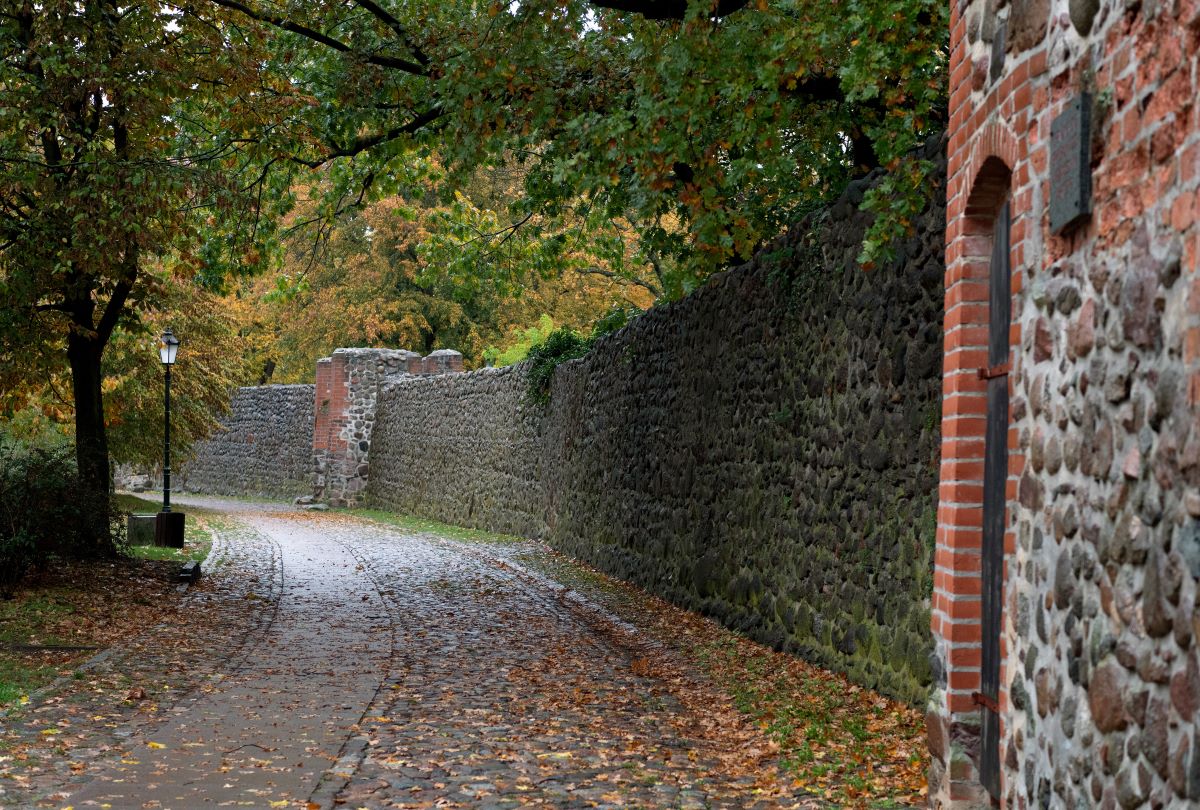
Bernau still retains parts of its historic defensive walls, dating back to the 14th century, and old town layout. Photo: picture alliance/dpa/dpa-Zentralbild | Soeren Stache
Bernau bei Berlin
Northeast of Berlin, Bernau bei Berlin combines a long history with a strong reputation as a practical commuter base. The town dates back to the Middle Ages and still retains parts of its historic defensive walls and old town layout.
Bernau has been connected to Berlin by rail since the 19th century and was one of the first towns to be linked by an electrified suburban railway, now part of the S2 S‑Bahn line. Typical travel times into Berlin are around 40 minutes, although reliability can vary.
READ ALSO: ‘Dresdner Bahn’ opening improves railway connections to Berlin airport
Beyond commuting, Bernau offers schools, shopping and everyday infrastructure, but without the price levels of Potsdam or the intensity of Berlin itself.
Best for: commuters focused on affordability, everyday convenience and a clearly defined town centre.
Watch out for: variable commuter experiences during rail works.
Ludwigsfelde
South of Berlin, Ludwigsfelde is less about charm and more about function. The town developed relatively late and is closely associated with industrial growth, particularly the automotive and logistics industries.
Ludwigsfelde lies on the Teltow plateau and benefits from strong rail links toward Berlin Südkreuz, making it especially attractive if you work in southern Berlin. Its development has been shaped by factories, industrial estates and large employers rather than tourism or heritage.
That said, Ludwigsfelde also incorporates several surrounding villages, giving parts of the municipality a more rural feel.
Best for: commuters who value fast southern access and modern infrastructure.
Watch out for: a more work‑oriented atmosphere than picturesque town life.
READ ALSO: Which jobs are desperately needed in Berlin and which are being cut?
Königs Wusterhausen
In the Dahme‑Spreewald district, Königs Wusterhausen is one of the largest towns in the southeast commuter belt and often known locally simply as “KW”.
The town sits on the River Dahme and has expanded significantly through the incorporation of surrounding villages. It is historically notable as a former residence of the Prussian “Soldier King” Frederick William I and for its early role in radio broadcasting.
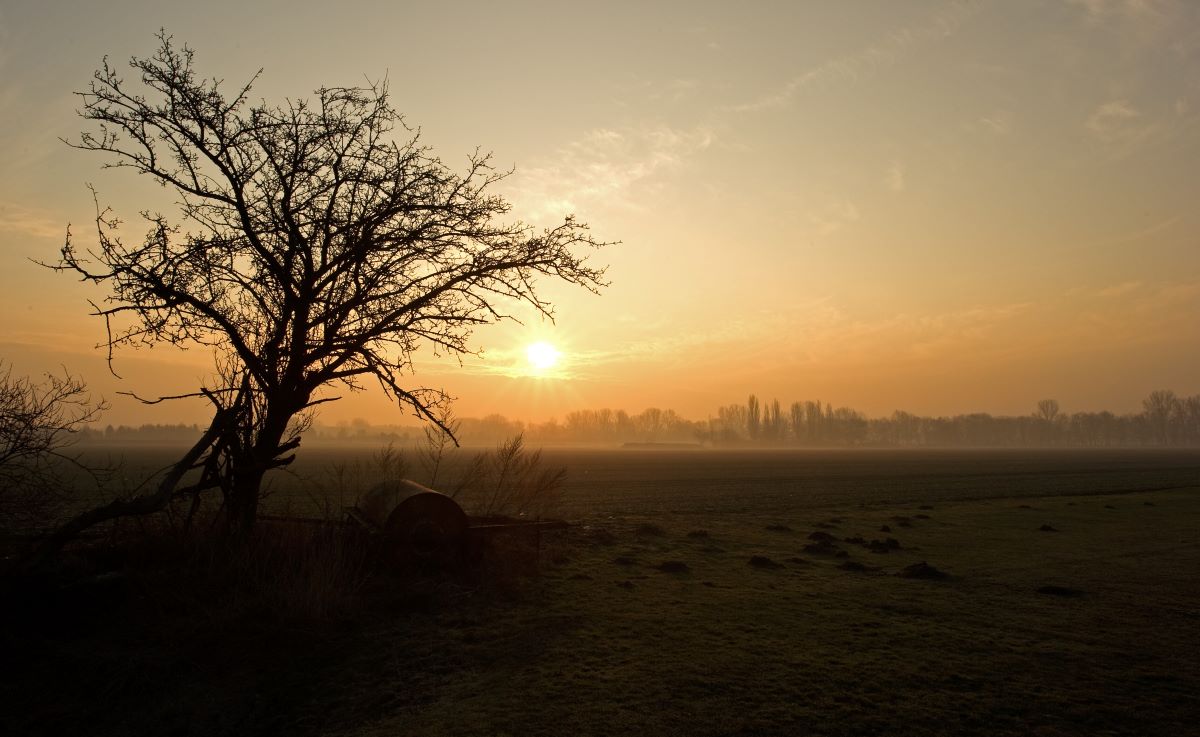
A tree pictured against the sunrise near Königs Wusterhausen. Photo: picture alliance / dpa | Arno Burgi
Königs Wusterhausen’s location makes it especially useful for people commuting into southeast Berlin, Schönefeld or the airport corridor, while still offering access to lakes and forests nearby.
Best for: commuters tied to southeast Berlin who still want access to water and nature.
Watch out for: fewer cultural institutions than Potsdam or Berlin.
Schönefeld
Schönefeld is the most infrastructure‑driven option on this list. Its identity is inseparable from aviation: the municipality encompasses Berlin Brandenburg Airport (BER) and much of the surrounding transport and logistics network.
Located southeast of Berlin, Schönefeld has grown rapidly in recent years, both in population and economic importance. Fast rail connections, including airport services, can reach central Berlin in under half an hour, making it one of the towns in Brandenburg with the quickest direct connections to central Berlin.
READ ALSO: Is your flat search in Berlin realistic?
The trade‑off is character. Schönefeld is defined more by development zones and transport corridors than by a traditional town centre.
Best for: airport workers and infrastructure‑focused careers.
Watch out for: limited old‑town charm and rapid change.
Disclaimer : This story is auto aggregated by a computer programme and has not been created or edited by DOWNTHENEWS. Publisher: thelocal.de