
Follow any beauty biohacker on social media right now and you’ll hear them raving about the benefits of red-light therapy. There’s so much hype about the technology that it’s fair to ask, “Does red-light therapy even work?”
As an increasingly popular longevity tool, red-light therapy is said to help improve skin and hair health, enhance cellular vitality, and reverse the signs of aging. While there is evidence to support the claims of red-light therapy, studies are limited. To discover best practice when it comes to red-light therapy and how to make it work into our everyday lives, we asked the experts to share insight into its effectiveness.
How Can I Access Red-Light Therapy?
Red-light therapy has long been used by athletes and wellness professionals to boost recovery and reduce oxidative stress. These days, it’s fast becoming the norm at the local gym and wellness spa too. You’ll probably be able to find red-light therapy rooms or “red light stations” there, which make up part of a hot and cold contrast therapy circuit alongside cold plunges and saunas.
Being able to easily access red-light therapy doesn’t stop there. Online, you’ll find numerous brands selling red-light therapy beauty tools designed for home use. Options for red-light therapy include face masks, massage guns, blankets and panels, and even red-light therapy helmets that claims to stimulate hair growth.
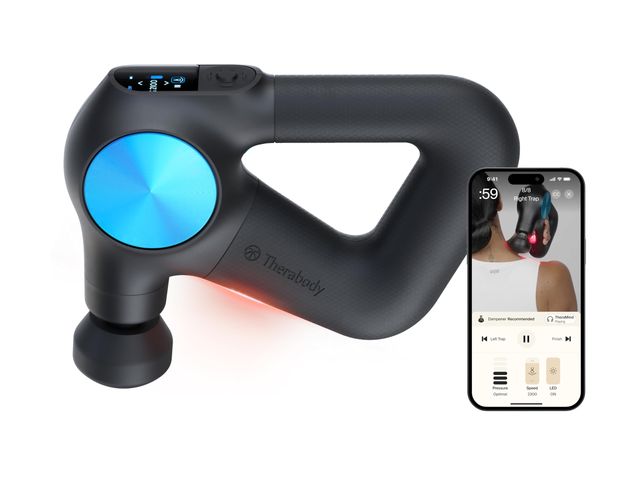
For example, the Theragun Pro Plus offers five therapies combined into one with this full-body heated massager that features near-infrared LED light and vibration to give you 15 minutes of massage in just two minutes.
Prices and effectiveness vary depending on brand name, design, and quality. Cheaper masks might not work to reduce fine lines and wrinkles as well as you’d like, but at least you’ll look like you’re prepping for a trip on Bezos’ New Shepard.
Benefits of Red-Light Therapy


In an age of Botox needles and plastic surgeon’s knives, red-light therapy is noninvasive. It uses specific wavelengths of visible red and near-infrared light to stimulate cellular activity and help them heal more efficiently. “Red-light therapy is an umbrella term encompassing all red light frequencies on the spectrum, from the most basic visible LED to invisible near-infrared laser light,” says Graeme Glass, the aesthetic director at Lyma.
“These specific wavelengths of light—particularly visible red and near-infrared—can stimulate cellular activity and support the body’s natural repair processes. Mitochondria (the battery packs of human cells) are particularly good at absorbing the energy of near infrared light and using it to make chemical energy that the cell uses for growth and repair … In short, cells behave more like they did when they were younger.”
RLT has been shown to rejuvenate skin to improve the texture and tone, reduce wrinkles, and help with recovery, for example. It has been shown to help after exercise to give muscles more energy to repair and function, relieving joint stiffness, increasing circulation and boosting energy levels. There is also evidence that red light frequencies can help regulate circadian rhythms, to calm the mind and induce sleep. But remember, these are controlled studies used with lab-grade equipment, so at-home devices can give you different results.
So how long should you spend under red light to get the benefits? There are many ways to get the benefits of red-light therapy, but duration ultimately depends on the device you’re using, how powerful it is, the angle of the beam, and the number of lights inside. The less powerful it is, the longer it will take to see results.
Red light device manufacturer Bon Charge co-founder, Katie Mant, notes that the most relevant factor is irradiance, which is the dose of light delivered per square centimeter. “A more powerful device delivers the right wavelengths at a high enough intensity,” Mant says. “The most studied [wavelengths] are in the 630–660nm and 810–850nm range. If a device uses weak LEDs, the wrong wavelengths, or spreads the light too widely, you simply won’t get the same effect.”
Gary Brecka, founder of The Ultimate Human, notes that sessions of 10 to 20 minutes, three to five times per week, are typically recommended. “Red-light therapy can be delivered through different types of devices, and while some invest in creating a dedicated red-light therapy room, it’s not strictly necessary,” he says. “Provided competing sources of light are turned off, you can experience the benefits.” You might want to also avoid using your red light right before bed, as evening exposure can interfere with sleep.
Factors to Consider

Patience is key when using red-light therapy across the face and body, and results are often gradual. If you’re using a targeted beauty device, you’ll need consistent use to maintain and notice any visible difference–it took eight weeks of testing the Shark CryoGlow for WIRED editor Verity Burns to notice smoother, plumper, and brighter looking skin.
“The main advantages of red-light therapy are that it’s noninvasive, drug-free, and evidence-based for skin and recovery,” says Brecka. “Downsides include the variable quality of consumer devices, the potential cost, and the fact that long-term evidence is still emerging. Excitingly, research is expanding into neurological uses, such as traumatic brain injury and cognitive decline, where early findings are promising.”
When used as directed, red-light therapy is also considered low risk. “The main drawbacks are usually mild and temporary, such as warmth or slight skin redness if a session is too long or the device is held too close,” says Katie Mant, cofounder of the red-light therapy device company Bon Charge. “Red-light therapy is evolving rapidly, moving from large clinical devices to sleeker, more powerful home solutions, and devices now combine red and near-infrared light with other innovations like microcurrents, heat, or vibration for enhanced results.”
Disclaimer : This story is auto aggregated by a computer programme and has not been created or edited by DOWNTHENEWS. Publisher: wired.com






