Frequently Asked Questions
What are chemical exfoliators?
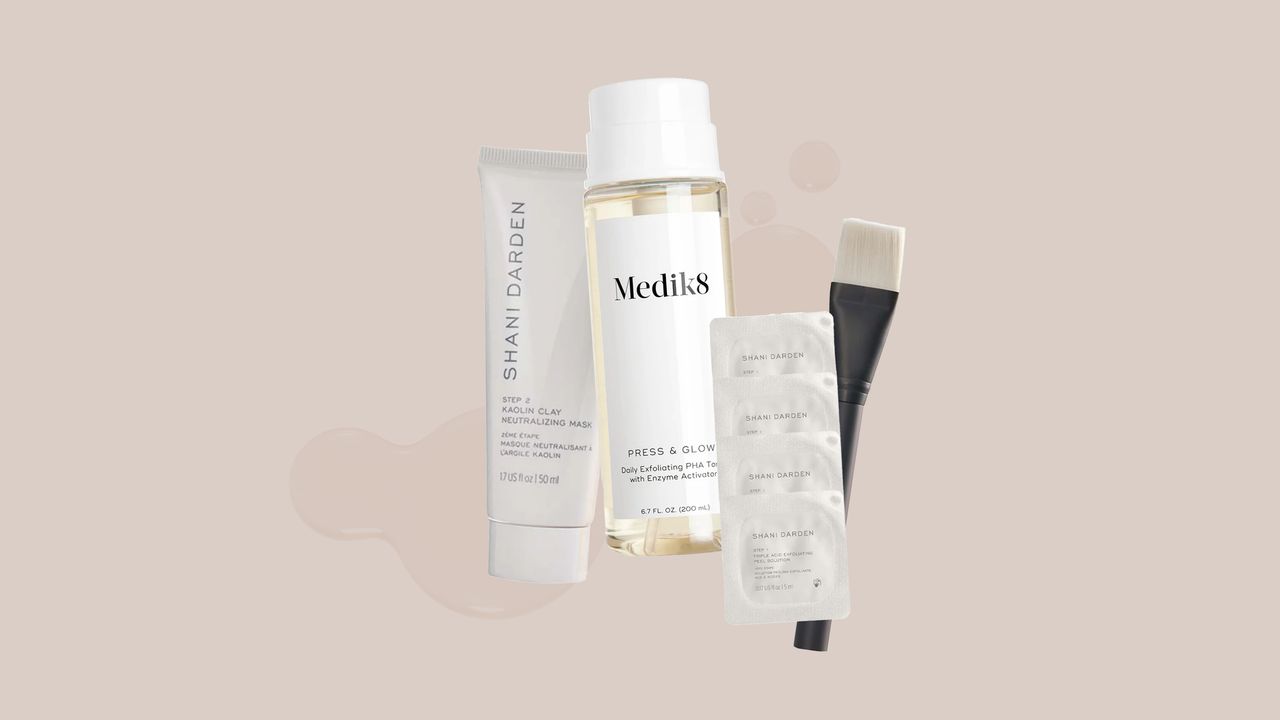
Chemical exfoliators are active ingredients that help loosen the bonds between dead skin cells, allowing them to shed and reveal newer and healthier cells beneath, according to Dr. Libby. “They also help unclog pores and exfoliate surface skin cells, brighten skin, improve skin cell turnover and renewal, and some may even help stimulate collagen production within the skin,” she explains.
Choosing a chemical exfoliant that contains the best ingredients for your skin type is critical. For oily, acne-prone skin, Dr. Henry suggests choosing alpha hydroxy acids (AHAs) like glycolic acid. “They exfoliate the upper layers of the skin while also hydrating and helping your skin retain moisture,” she says. Glycolic acid is great for people with more resilient skin who need an intensive acne-fighting treatment. If you want something a bit gentler, opt for salicylic acid, and if you have sensitive skin, Dr. Libby recommends starting withpolyhydroxy acids, lactic acid, or mandelic acid. These are alpha hydroxy acids with larger molecules that don’t penetrate as deeply into the skin, making them least likely to cause irritation, she says.
What are physical exfoliators?
Physical exfoliators have granules that manually buff away dead skin cells from the surface of your skin. Dr. Henry says physical exfoliation is key for oily skin, since it helps remove layers of oil buildup. “When you have oily skin, your dead skin cells are more adherent and don’t flake off as quickly, which can contribute to breakouts,” she explains. She recommends using an exfoliating face scrub with salicylic acid, which “gently speeds up skin turnover and better penetrates oil and oily follicles” to keep skin clean and clear of blemishes. Dr. Libby agrees, adding that salicylic acid “is excellent at targeting oil and unclogging pores.”
Can you over-exfoliate?
Yes, definitely. Despite the benefits of using an exfoliator, overdoing it can cause redness, irritation, breakouts, and damage to your skin barrier. Additionally, using an exfoliator that’s either too harsh or too gentle for your skin type can rob you of that luminous finish you’re seeking. To strike the right balance, make sure you’re not exfoliating too often—no more than three times a week (one or two times should be enough for dry or sensitive skin). Or, look into the dermatologist-approved skin-cycling trend, a regimen that alternates between using active ingredients and letting the skin rest.
Dr. Henry recommends exfoliating with a physical exfoliator for about 30 seconds (or less) using small, gentle, circular motions. She adds that it’s important to follow the instructions printed on the packaging for chemical exfoliators, as they can vary by product.
Meet the experts
- Joyce Park, MD, is a board-certified dermatologist and founder of virtual dermatology clinic Skin Refinery.
- Tiffany J. Libby, MD, is a board-certified dermatologist and Mohs surgeon at Brown Dermatology.
- Michelle Henry, MD, is a board-certified dermatologist based in New York City and founder of Skin & Aesthetic Surgery of Manhattan.
- Claire Chang, MD, is a board-certified dermatologist based in New York City.
- Elizabeth Geddes-Bruce, MD, is a board-certified dermatologist at Westlake Dermatology in Austin.
- Brendan Camp, MD, is a double board-certified dermatologist in dermatology and dermatopathology at MDCS Dermatology in New York City.
- Dendy Engelman, MD, is a board-certified dermatologist and Mohs surgeon at Shafer Clinic based in New York City.
- Cheryl Karcher, MD, is a dermatologist based in New York City.
How we test and review products
When Allure tests a product, our editors look at it from every angle in an effort to best serve you. We review ingredients, scrutinize brand claims, and, when necessary, examine peer-reviewed scientific and medical studies. In addition to testing each and every product that’s included in each and every review, we rely on experts who shape their fields, including dermatology, cosmetic chemistry, and medicine, to help us vet the ingredients and formulas.
For our list of the best face exfoliators, we considered each product’s performance across five primary categories: product ingredients and efficacy, packaging, fragrance, texture, and product wear. Every product was determined to have excelled in each category by our editorial team, which is composed of in-house writers and editors as well as contributors—along with special consideration from board-certified dermatologists and cosmetic chemists. To learn more information on our reporting and testing processes, read our complete reviews process and methodology page.
Our staff and testers
A beauty product is a personal purchase. You might be searching for a face cream to address persistent dryness or a new nail product to add to your Sunday self-care routine; you may simply be browsing around for the latest launches to hit the hair market. No matter what you seek or your individual needs and concerns, Allure wants to ensure that you love anything we recommend in our stories. We believe that having a diverse team of writers and editors—in addition to the wide range of outside testers and industry experts we regularly call upon—is essential to reaching that goal.
After all, can we really say a skin-care product is the “best” for people over 50 if the only testers we’ve solicited opinions from folks who have yet to hit 30? Can we honestly deem a high-end diffuser worthy of your hard-earned cash if it’s never been tested on curls? We’re proud that our staff spans a wide range of ages, skin tones, hair textures, genders, and backgrounds, which means that we are able to fairly assess any beauty product that comes into the beauty closet.
Now, watch this beauty entrepreneur’s story of growing her brand on her own terms:
Disclaimer : This story is auto aggregated by a computer programme and has not been created or edited by DOWNTHENEWS. Publisher: www.allure.com