German wine is under pressure – but it’s never been more interesting. From everyday bottles to special‑occasion standouts, here are eight German wines worth seeking out.
German wine finds itself at a crossroads. Rising costs, labour shortages, environmental pressures and changing drinking habits are forcing many producers to question whether the old model is still viable at all.
Steep vineyards are being abandoned, historic landscapes are changing and a culture that has shaped Germany for centuries feels less secure than it once did.
And yet, alongside these challenges lies a wine scene that is more diverse, thoughtful and compelling than ever.
Across Germany’s regions – from the Mosel and Rheingau to Baden, Franken and the Nahe – winemakers continue to produce bottles that combine clarity, character and a strong sense of place.
The aim of this list isn’t to compile a catalogue of rare trophies or unaffordable prestige bottles, but to highlight eight accessible German wines that people living in the country should genuinely try.
Most sit comfortably in the €15–30 range and are relatively easy to find through local or online merchants.
A small number are deliberate exceptions – bottles that cost a little more and might feel right for a special occasion rather than a Tuesday night.
And while these are all wines which critics have praised, they’re also bottles that make sense at the table for any given occasion.
Rieslings
Mosel Riesling
If you want one bottle that instantly explains why German wine has a devoted global following, start here. These Rieslings come from vineyards along the Mosel River, taking advantage of the region’s famously steep slopes and slate‑rich, mineral soils.
One of the reasons this style is so widely loved is its versatility: it can be enjoyed when young, yet well‑made examples also have the balance and structure to age gracefully over several years.
And, because Mosel Riesling is produced by many different vineyards, it’s one of the easiest classic German wines to find. One good example to look for is the 2022 Clemens Busch – Riesling Marienburg Kabinett.
Currently selling for around €20, it’s a textbook Mosel Riesling that shows this style at its most approachable.
READ ALSO: Germany’s top regional food products and how to spot them in the supermarket
Rheingau Riesling
If Mosel Riesling is about drama and delicacy, Rheingau Riesling is about poise and precision.
Produced throughout the Rheingau, one of Germany’s most historically important wine regions, these wines have long been associated with clarity and balance.
Rheingau Rieslings typically combine ripe stone‑fruit aromas – think peach and apricot – with green‑apple freshness and a subtle mineral backbone.
One particularly good example to look for is the 2024 Robert Weil Riesling Kabinett Rheingau. Currently priced at around €22.50, it’s fresh, precise and polished – and a strong illustration of why Weingut Robert Weil is regarded as one of the Rheingau’s benchmark producers.
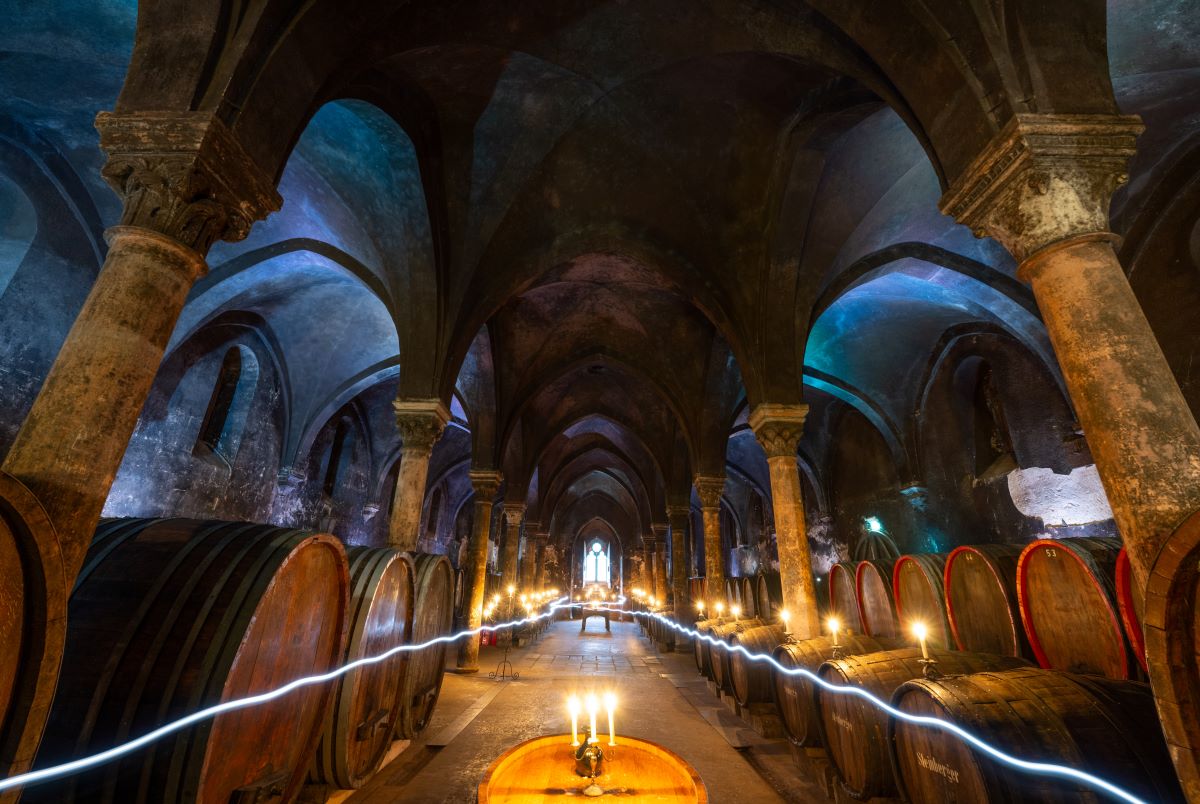
Two visitors draw lines of light with their cell phones through the wine cellars of Eberbach Monastery in the Rheingau region. Photo: picture alliance/dpa | Boris Roessler
Nahe Riesling
Nahe Rieslings stand out from Mosel and Rheingau counterparts due to their region’s extreme soil diversity and drier microclimate, yielding wines with exceptional mineral complexity and balance.
The Dönnhoff Riesling Nahe Hermannshöhle Spätlese 2024 was recently named German Wine of the Year in the James Suckling report, where it’s described as an off‑dry white defined by the tension between “spring‑like lightness” and “enormous density”.
This bottle will set you back more than most wines on this list at around €45, but that’s part of the point. It’s a wine for a special occasion – and a reminder that while Germany offers outstanding everyday value, it’s also capable of producing wines that stand comfortably among the world’s best.
Reds
Baden Spätburgunder (Pinot Noir)
Baden is widely regarded as one of Germany’s strongest regions for Spätburgunder, known internationally as Pinot Noir.
In the glass, Baden Spätburgunder is typically defined by ripe cherry and dark‑berry aromas. The style is generally smooth and polished rather than heavy, making it a natural choice for both food – especially meat dishes – and for drinking on its own.
Because Spätburgunder is produced by many estates across Baden, it’s also a category that’s easy to explore without spending heavily. One example to look out for is recent prize winner FairGrapes “TARA” 2022 Spätburgunder trocken.
Typically selling for well under €20 – often closer to the mid‑teens – it offers outstanding value for money and a clear example of how good Baden Spätburgunder can be at an accessible price.
READ ALSO: Four places in Germany experts say you should visit in 2026
Ahr Spätburgunder (Pinot Noir)
If Baden is your reference point for elegant, sun‑kissed Pinot Noir, Ahr Spätburgunder represents something a little more intense.
The Ahr is one of Germany’s smallest wine regions, but it has built a formidable reputation for Spätburgunder thanks to its steep slopes, sheltered valley location, and its focus on red wine at a time when much of Germany was still dominated by white.
Ahr Spätburgunders are often marked by a sense of concentration that sets them apart from lighter styles. The overall impression is of a wine that feels serious and age‑worthy.
For drinkers who want to explore German red wine beyond the introductory level, Ahr Spätburgunder is an essential stop.
Whites that aren’t Riesling
Franken Silvaner
Silvaner is the German wine people don’t realise they’ve been missing until they try it – and Franken is widely regarded as the grape’s spiritual home.
The region’s conditions produce wines that feel unmistakably German without relying on the aromatic fireworks of Riesling. Stylistically, Franken Silvaner is typically fresh and dry with a pronounced mineral character.
The appeal here lies in restraint and texture, with flavours often leaning toward green orchard fruit, herbs and stone, giving the wines a savoury edge that makes them particularly food‑friendly. Franken Silvaner is frequently recommended alongside asparagus, fish and other lighter dishes.
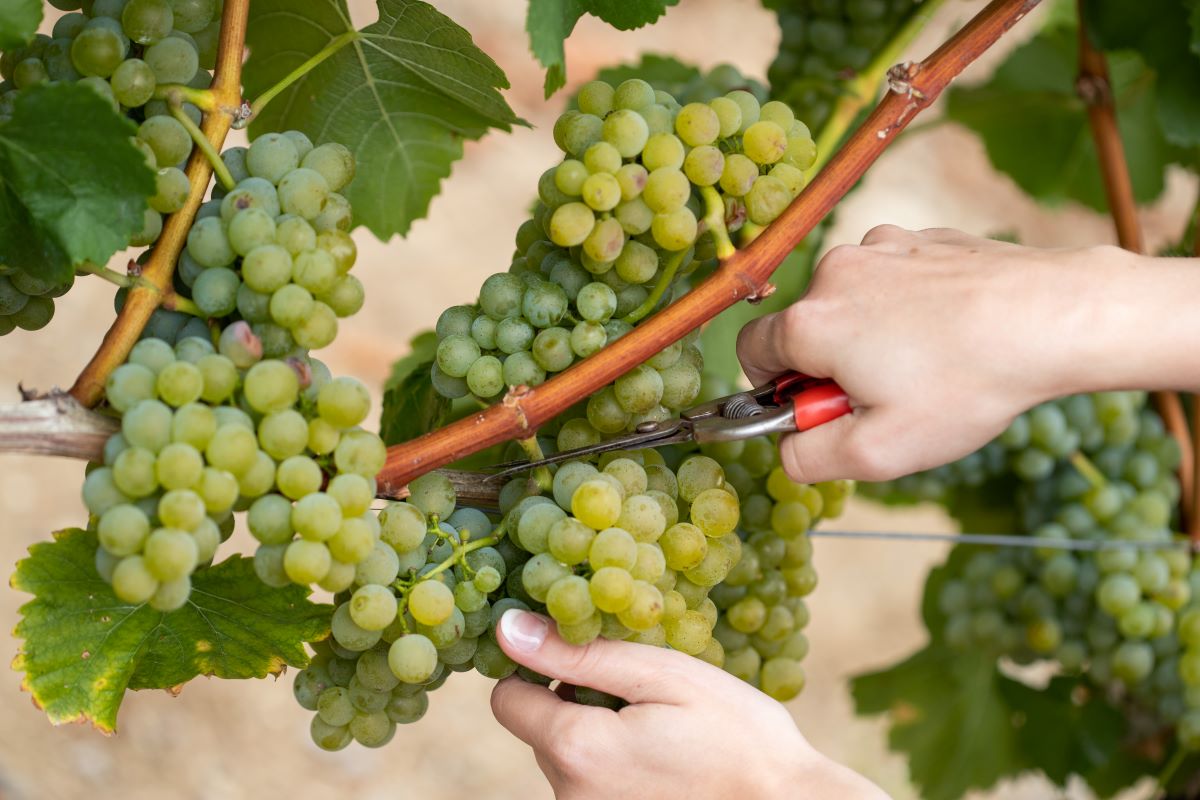
A winegrower cuts Silvaner grapes from a vine at the official opening of the Franconian grape harvest. Photo: picture alliance/dpa | Daniel Karmann
Nahe Weißburgunder (Pinot Blanc)
For those seeking a white wine that combines elegance with easy drinkability, Nahe Weißburgunder is a great option.
Internationally known as Pinot Blanc, the Weißburgunder grape thrives in the Nahe and produces wines that are expressive without being showy.
Compared with Riesling, the style is softer and rounder, appealing to drinkers who prefer subtlety over sharpness. At the same time, a quiet mineral streak gives the wines definition and prevents them from feeling flat.
READ ALSO: Germany’s lesser-known beers that are worth a try
Saale‑Unstrut Gutedel (Chasselas)
Saale‑Unstrut Gutedel is the curveball on this list, which is exactly why it earns its place.
Produced in one of Germany’s most northerly wine regions, Gutedel (also known as Chasselas) offers something distinctly different from the country’s more familiar styles. It’s typically defined by a fine mineral character that keeps the wine crisp and refreshing rather than aromatic or heavy.
The emphasis here is on subtlety and balance rather than intensity, making it an easy wine to enjoy without overthinking. It doesn’t shout for attention but rewards those willing to explore beyond Germany’s headline grapes and regions.
Disclaimer : This story is auto aggregated by a computer programme and has not been created or edited by DOWNTHENEWS. Publisher: thelocal.de