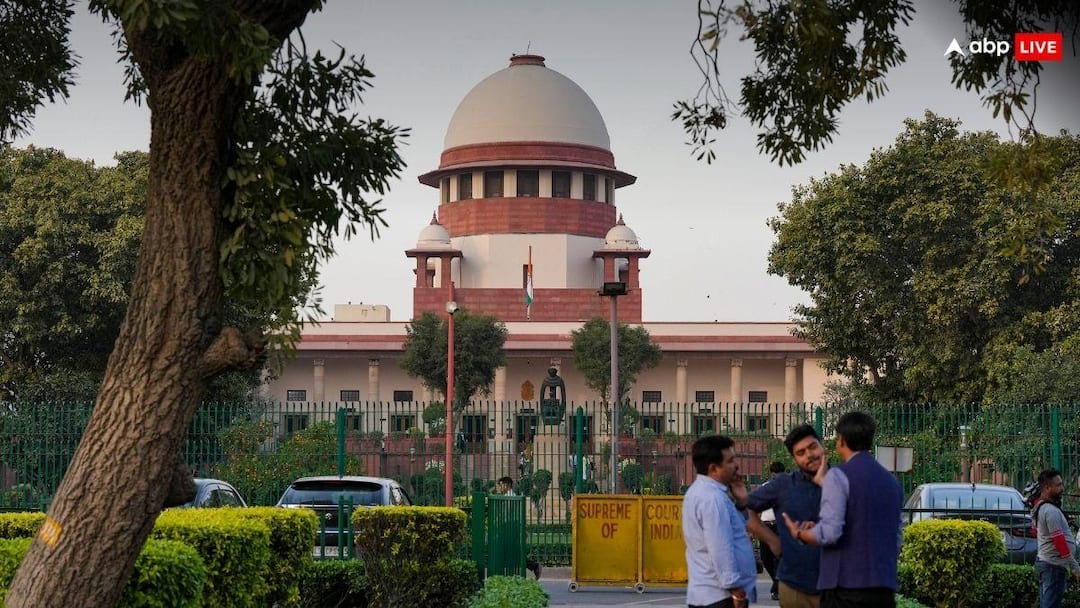
The Supreme Court of India on Friday voiced concerns about the potential impact of making menstrual leave a statutory right, cautioning that such a move could unintentionally harm women’s employment prospects. Hearing a petition seeking directions to states to frame rules for menstrual leave, Chief Justice Surya Kant warned that mandatory provisions might discourage employers from hiring women.
“If we make it compulsory by law, employers will not hire women,” the Chief Justice said during the proceedings, as per reports. He added that enforcing such a rule could create a perception that women are “less than men” or unable to perform equally in professional environments.
“This could create problems in getting a job; it’s better to leave the matter to the government,” he said.
While acknowledging that voluntary menstrual leave policies can be beneficial, the court indicated that turning them into a legal obligation may lead to unintended consequences in workplaces.
Petition Seeks Nationwide Menstrual Leave
The petition before the court was filed by lawyer Shailendra Mani Tripathi, who sought directions for menstrual leave for female students and working women across the country. The petitioner argued that formal recognition of menstrual leave would acknowledge the physical challenges faced by women and ensure dignity in both educational institutions and workplaces.
However, the Chief Justice observed that petitions advocating compulsory leave could sometimes “create fear” and reinforce stereotypes about menstruation. He cautioned that mandatory leave provisions might lead to women being sidelined in government services, the judiciary, and other professional sectors.
Examples From Kerala and Private Sector
During the hearing, Senior Advocate M.R. Shamshad highlighted examples where menstrual leave policies had already been introduced on a voluntary basis. He noted that the state of Kerala implemented menstrual leave for female students in its state universities in 2013. The initiative was supported by Chief Minister Pinarayi Vijayan as part of efforts to promote a more gender-just society.
Shamshad also pointed out that several private companies in India have adopted similar policies voluntarily, allowing women to take leave during menstruation without formal legal mandates.
The bench acknowledged these examples but emphasized that voluntary policies differ significantly from legally mandated rules, as per NDTV.
Court’s Earlier Stand On Menstrual Health
The discussion comes shortly after a significant ruling by the Supreme Court recognizing menstrual health as a fundamental aspect of dignity and well-being.
In January, a bench led by Justices J.B. Pardiwala and R. Mahadevan ruled that menstrual health forms part of a girl child’s right to life, dignity, health, and education under Article 21 of the Constitution of India.
The court directed governments to ensure access to free sanitary napkins, maintain functional gender-segregated toilets, and promote awareness campaigns addressing menstrual health.
Related Video
War Alert: Khamenei Vows ‘Blood for Blood’ as Trump Claims Victory in Escalating Iran War
Disclaimer : This story is auto aggregated by a computer programme and has not been created or edited by DOWNTHENEWS. Publisher: abplive.com