
By Miriam Wardak, former advisor to the Afghani President
For more than four decades, Pakistan’s approach toward Afghanistan has been guided by a simple assumption – that Afghanistan’s political trajectory must remain aligned with Pakistan’s security interests. From the Soviet war of the 1980s to the rise of the Taliban in the 1990s and again after the Fall of Kabul, Islamabad has sought influence across its western border.
But today, that longstanding policy is unraveling.
The irony is difficult to ignore. The very militant networks once viewed as useful tools of regional influence have evolved into one of Pakistan’s most serious security threats. Fighters from the Tehrik-i-Taliban Pakistan have intensified attacks inside Pakistan, creating a crisis that Islamabad now argues originates from Afghan territory.
In response, Pakistan has adopted an increasingly aggressive posture toward Afghanistan, including cross border strikes, heightened military activity, and the mass deportation of Afghan refugees. Yet these measures address symptoms rather than causes.
At the heart of the conflict lies a deeper structural problem: Pakistan has never fully accepted the idea of an independent Afghanistan pursuing its own geopolitical interests. For decades, Afghan leaders across political spectrums have resisted Pakistan’s attempts to shape the country’s internal politics. That resistance is rooted not only in nationalism but also in history.
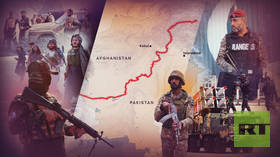
The dispute over the Durand Line remains a powerful symbol of that history. While Pakistan considers the border settled, many Afghans view it as a colonial boundary imposed during the era of the British Empire. For communities divided by the border, fencing and militarization have only deepened resentment.
Disclaimer : This story is auto aggregated by a computer programme and has not been created or edited by DOWNTHENEWS. Publisher: rt.com



