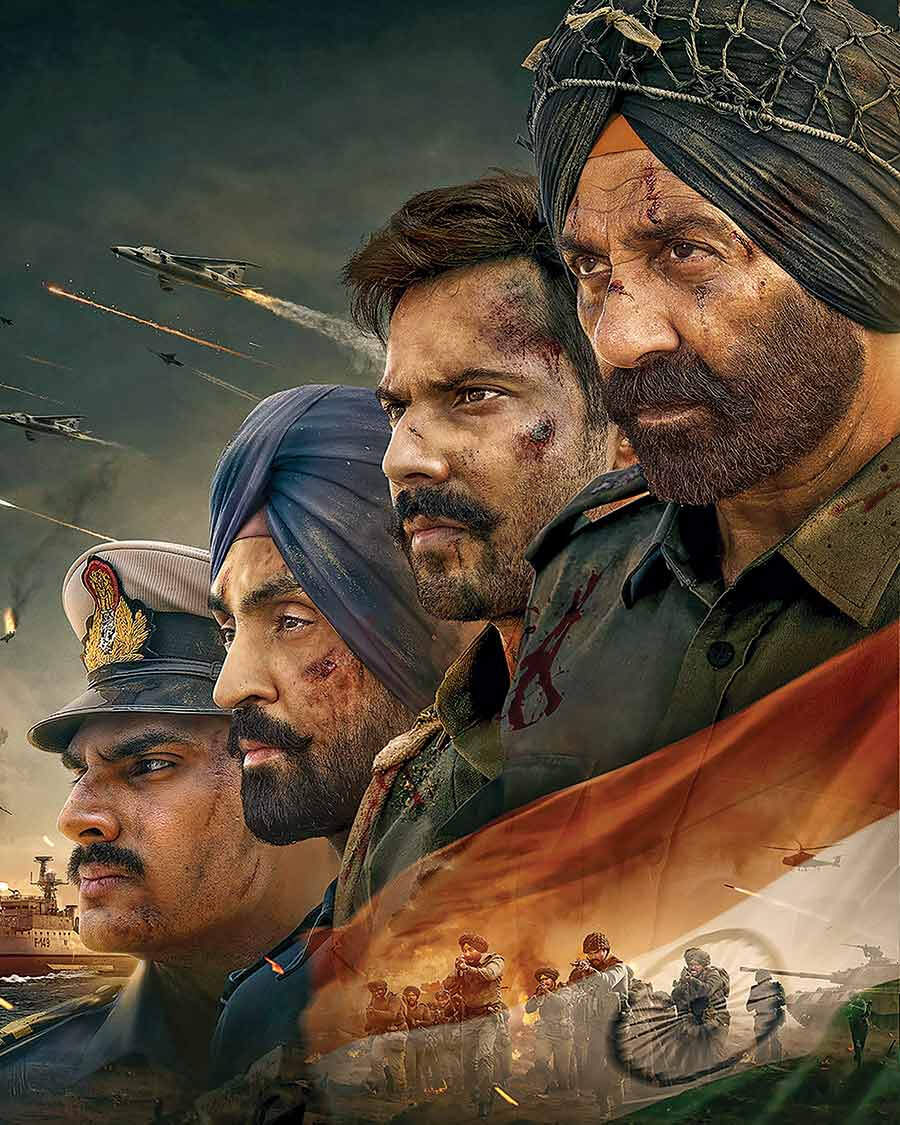
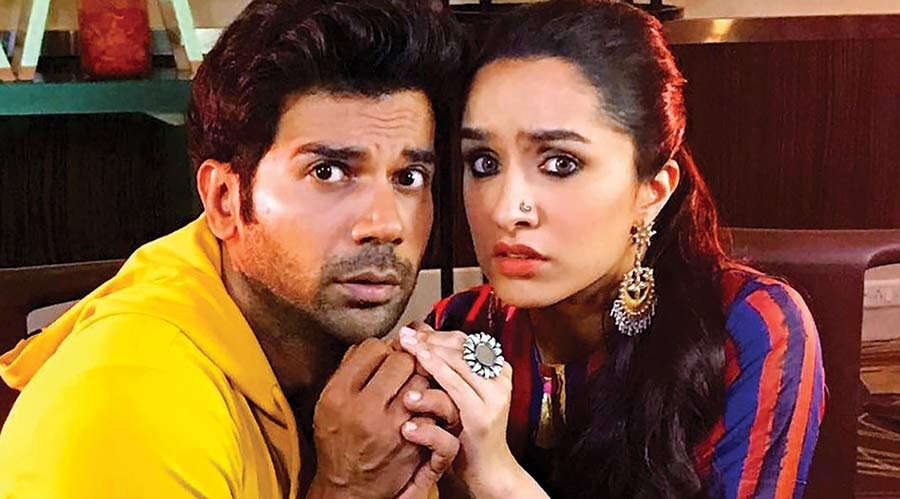
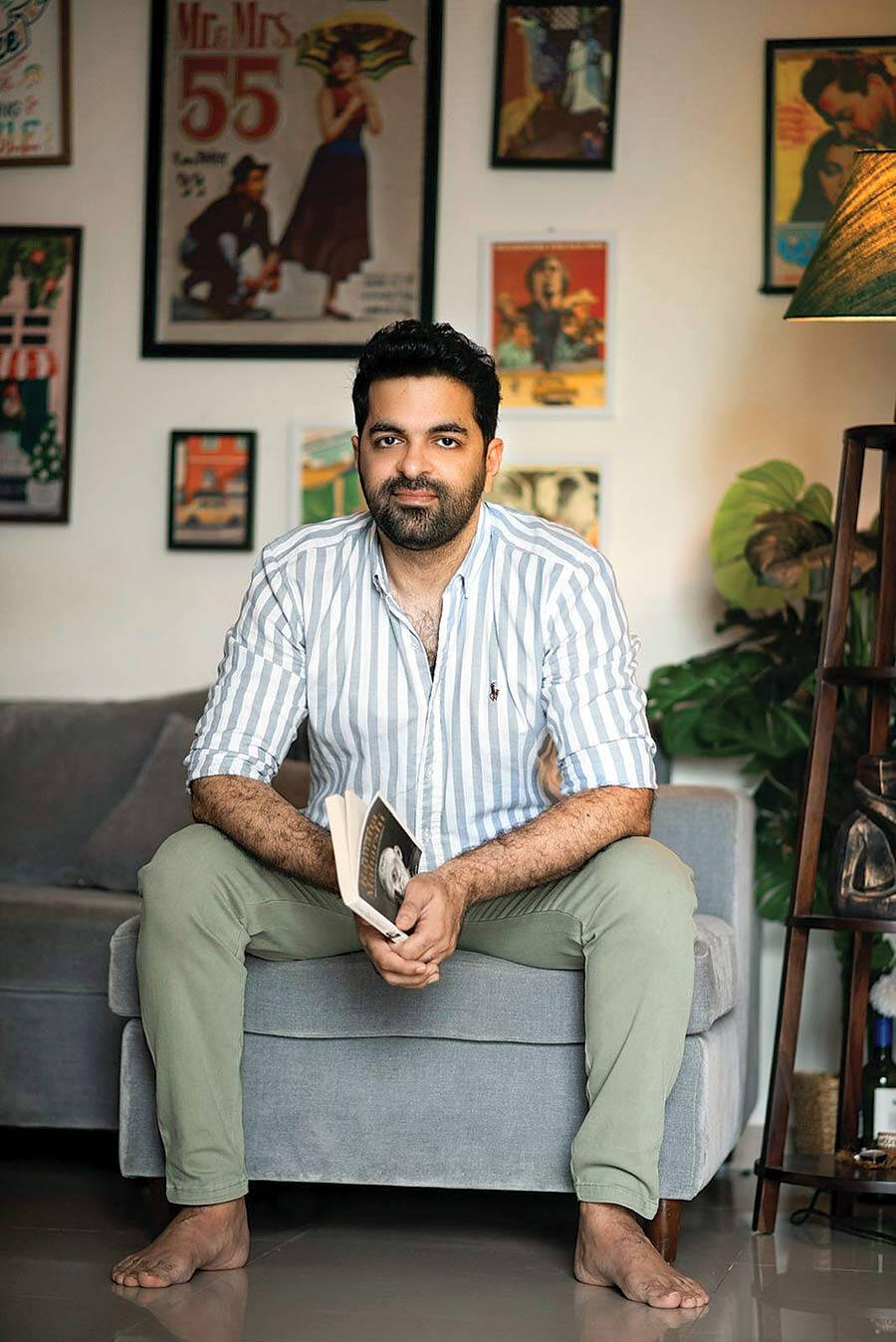
Sumit Arora is riding high on the success of Border 2. The writer has come a long way, from his early days in television to making a mark across films and OTT. With shows like Dill Mill Gayye and Sadda Haq, he captured young audiences on the small screen, and today he is the mind behind some of the most quoted lines from Stree, The Family Man and Jawan, among others. When we sit down for a conversation, he reflects on arriving in Mumbai as a teenager with big-screen dreams, navigating the stigma of being labelled a ‘TV writer’, and eventually breaking into films with Stree. He also speaks about the evolving value of writers in mainstream cinema, crafting whistle-worthy moments for Shah Rukh Khan, shouldering the legacy of Border and more. Excerpts:
a great deal of money. All of that was just a way to move towards what I wanted to do, which is writing for films. TV gave me financial stability and a platform. Even while I was making money, I did not think I had become a successful person.
Was it difficult to leave that secure pay cheque and make the leap to films?
Yes, it was difficult. When I was trying to shift from television to films, I was calling directors and producers to ask for meetings. They would ask me what I had written and at that point, I had only done TV shows. Although I was working on relatively young, contemporary shows like Dill Mill Gayye and Sadda Haq, just saying that I worked in television carried a certain stigma. They had no understanding of me as a person or as a writer. The moment they heard the word ‘TV’, the conversation would almost end there because they thought you didn’t know how to write for cinema. It was a big problem I faced, and I’m sure many others who try to transition from TV also face this. But I never succumbed to that notion. I had come here to do films, so I kept working on my craft.
How long did it take to break this stigma?
and keep patriotism from turning into jingoism?
You just have to follow the character you’re trying to create and stay true to the intent of the film. You intend to tell the story of these brave men who served their country. When your intent is clear, you will never cross the boundary.
‘Interfere’ is not the right word. Nostalgia is attached to Border, and we were all aware of that. But we were respectful towards it.
What do you think young writers today misunderstand most about breaking into this industry?
After writing for Stree, Jawan, The Family Man and now Border 2, do you feel pressure to always come up with memorable or clever lines?
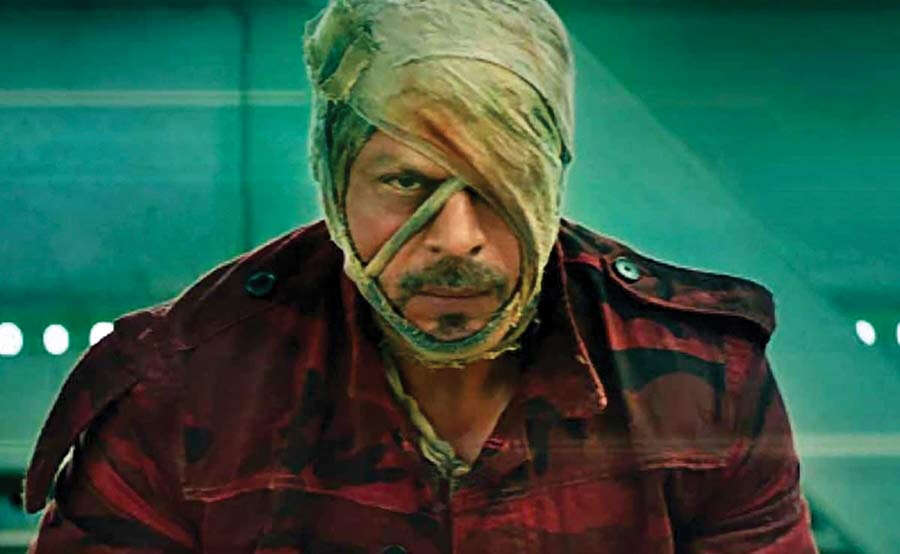
He should have won the National Award long ago. It’s entirely his win, and it was overdue. Every project comes with its own expectations for a writer. With a film like Jawan, you are writing for SRK and for a director like Atlee, who is known for his mass films. So you have to understand both sensibilities. It is very different from something like The Family Man, where you need humour, sharp writing and sharp exchanges. With Jawan, the expectation is that you deliver ‘mass moments’, yet retain your individuality. Mass moments can’t feel dated; they have to reflect what today’s audience enjoys. I like to write things I would enjoy watching as an audience member. If I am writing a mass film with a huge star, I think about how I would want to watch that star today. What kind of lines would I like him to say? What kind of mass moments would I enjoy? You have to strike a balance between your sensibilities and the
requirements of the film. That’s how you find an interesting and unique zone.
For years, audiences have remembered iconic lines and the stars who say them, while the writers behind those lines often remain unseen and unheard. Is that changing now?
It’s always a work in progress. The industry still has an internal problem. They understand the value of good writing but there is reluctance when it comes to giving writers that same value. People know we need good writing and that without good content we cannot make a hit. Everyone understands that. Yet when it comes to remuneration or respect for writers, they hesitate. When a young writer delivers something strong, you should be able to identify it and reward it appropriately in terms of money and recognition. You shouldn’t have to wait until someone has delivered five hits. Respecting a person’s stature is not the same as respecting writing itself. This fundamental shift needs to happen. I interact with a lot of young writers, and if I find something interesting, I try to mentor them. That’s something I would have wanted when I was starting out, for people with access to help young writers.
Is there any film or show that did not land immediately, but you’re still proud of?
I’m proud of Chandu Champion. It did not work immediately in theatres, but it found its audience.
I can’t talk much about it, except that it’s a very exciting new story.
Also Read: Exclusive: I relate to Srikant Tiwari: Sumit Arora on The Family Man, working with Raj & DK & more
Disclaimer : This story is auto aggregated by a computer programme and has not been created or edited by DOWNTHENEWS. Publisher: filmfare.com