Bridget Phillipson has presented sweeping plans to overhaul special educational needs provision in England, with a package of measures designed to make the system less reliant on cash-strapped councils and give schools greater responsibility.
The education secretary’s long-awaited Send proposals will result in hundreds of thousands fewer students getting education, health and care plans (EHCPs) than would otherwise have been the case.
EHCPs are legal documents that protect the rights of children with special needs, the numbers of which have more than doubled since being introduced in 2014.
Instead of ECHPs, millions of pupils will be given individual support plans (ISPs), which will be agreed between parents and schools but will not be subject to independent legal appeal.
The changes are designed to curb the rapid rise in Send spending, which has left councils facing a projected £6bn hole in their finance in two years’ time. The proposed overhaul was welcomed on Monday by local authorities but criticised by one teaching union, which said it would pile further pressure on teachers.
Labour MPs, many of whom have been tipped to rebel over the plans when they come to a vote at some point in the next two years, gave a cautious welcome though several said they were concerned about particular elements.
Phillipson said in a speech in Peterborough: “I’ve spent a lot of time speaking with parents, with young people and with those who support children to understand what needs to change.
“What I’ve heard time and again is that increasingly, EHCPs have become the only way to get what your child needs … and we have to change that.”
She added: “These kinds of chances to deliver a better system for children, they don’t come along very often, and I’m determined that we make this a better system of support.”
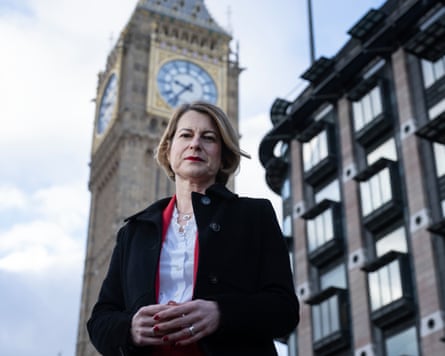
Helen Hayes, the Labour chair of the education select committee, whose opinion is being carefully watched as a sign of backbench opinion, refused to give the measures her wholehearted support, saying she needed more time to look at them.
She said: “Parents of children with Send are already living with unbearable anxiety and fear about the future for their children. They will need reassurance that the changes that are proposed to EHCPs will still mean that their child will receive the right support for them, and that this support will be properly accountable.
“As I scrutinise the white paper, I will be looking for cast-iron guarantees that children’s rights will be strengthened through these reforms, not eroded.”
Under Phillipson’s proposals, EHCPs, which are drawn up by local authorities and guarantee a legal right to certain support, will be limited to children and young adults with the highest level of need such as those with lifelong learning disabilities, severe behavioural problems or physical disabilities.
If parents feel they have been unfairly denied an EHCP, they can appeal to a tribunal. But unlike the current system, under the proposals a tribunal would not be allowed to demand that local authorities place a child in a particular school, giving councils far more control over where Send children are educated.
About 5% of pupils in England receive an EHCP, with this figure forecast to rise to nearly 8% in 2029-30. The new system is then projected to bring that number back down to below 5%, meaning about 270,000 fewer people with EHCPs than at its peak.
Children in year 2 and below who have EHCPs will be assessed under the new system when they move from primary to secondary school. The assessment could result in the plans being removed from thousands of children if they are not deemed to meet the new criteria.
The new ISPs meanwhile will be administered by schools rather than local authorities, and parents who are unhappy with them will be asked to appeal to the school itself.
If parents still feel their child’s needs are not being met, they can appeal to a local authority or the Department for Education. However, they will not be given recourse to a tribunal, as those fighting for EHCPs can.
Several Labour MPs have said they are concerned that parents of children with ISPs will not be able to appeal to an independent legal tribunal if they feel those children’s needs are not being met.
One said: “We need more clarity on how do you make your child’s school do what they’re meant to do if they’re not doing it.”
Phillipson said on Monday she was willing to listen to MPs’ opinions on that point, adding: “The idea behind the consultation is to air this, to test it, and make sure it’s right.”
The consultation will be completed before the government introduces legislation in the next session of parliament, which begins in May. The first assessments under the new system will be carried out in 2029.
In the meantime, the government is spending an extra £4bn over the next three years improving Send provision under the current system. That includes £1.6bn for mainstream schools to accommodate pupils with special needs; £200m for teacher training; £1.8bn for local and health authorities to provide access to experts; and £40m to pay for 200 more educational psychologists each year.
Phillipson said she hoped the additional funding would help bring down the numbers of children needing EHCPs in the short term, though she added this was not part of the government’s forecasts.
In the longer term, the measures are expected to curb the fast-expanding deficits that local authorities have taken on to pay for Send provision. They will not prevent the government having to find several extra billion pounds by 2028-29, when those deficits will start having to be funded by the central government.
Disclaimer : This story is auto aggregated by a computer programme and has not been created or edited by DOWNTHENEWS. Publisher: theguardian.com