Not all heroes arrive with headlines or grand promises. Some simply arrive where no one else does — and stay. Long after the spotlight fades, long after the world moves on, they keep showing up for people who were never meant to be forgotten, only overlooked.
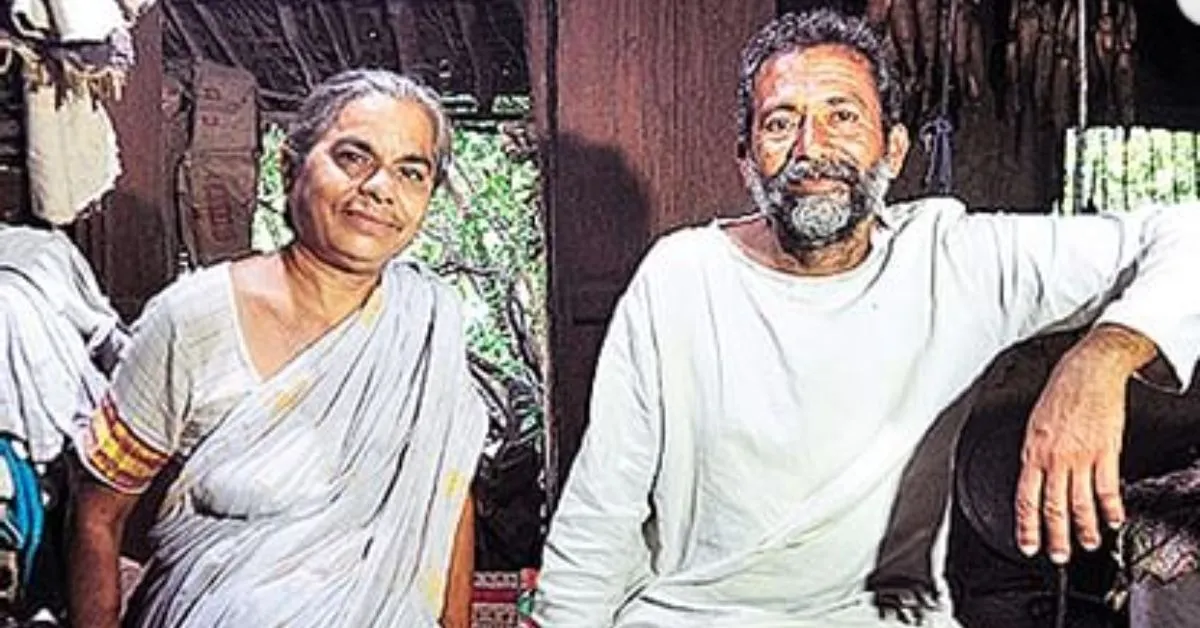
Dr Ravindra Kolhe and Dr Smita Kolhe are among the rare few. While most careers are measured in salaries, promotions, or prestige, theirs has been measured in lives saved, trust earned, and hope restored in one of Maharashtra’s most underserved regions.
For 35 years, this doctor couple charged just Rs 2 as consultation fees. But their story is not really about money. It is about commitment — about choosing to serve where it was hardest, and staying when leaving would have been easier.
A choice that changed everything
In the early 1980s, Dr Ravindra Kolhe chose Bairagarh, a remote village in Maharashtra’s Melghat region, as his workplace. There were no proper roads, no electricity, and no doctor willing to stay. Serving here wasn’t a posting — it was a calling. But Ravindra knew he couldn’t do it alone. He needed a life partner who would walk this difficult path with him.
So when he decided to marry, he laid down his conditions clearly: a Rs 5 court marriage, a life of trekking through forests, and living on Rs 400 a month. Nearly 100 women said no. Then he met Dr Smita.
She didn’t just say yes — she meant it.
From outsiders to family
When the couple arrived in Bairagarh, they were met with suspicion. Years of neglect had made the villagers wary of outsiders. What they witnessed was heartbreaking. In 1990, infant mortality in the region stood at nearly 200 per 1,000 births — meaning two out of every ten babies didn’t survive.
Their biggest test came not from the village, but from their own lives. Their newborn son fell critically ill. Everyone advised them to rush to a city hospital. But Dr Smita made a decision that would change everything. “I will treat my child here,” she said, “the same way you treat yours.”
That moment erased the distance between doctor and patient. The villagers no longer saw them as outsiders. They were family.
Healing beyond medicine
The Kolhes soon realised that medicine alone was not enough. People were dying of pneumonia because they had no warm clothes. Children were malnourished because crops failed. Poverty, not disease, was the real enemy.
So the doctors became students again. They learned agriculture, developed fungus-resistant trees, and taught sustainable farming methods. Slowly, a region once known for farmer suicides transformed into a suicide-free zone.
Infant mortality dropped dramatically — from 200 to 40 per 1,000 births.
Redefining what care means
For 35 years, through every season and every crisis, the Kolhes kept their doors open. Their work earned them the Padma Shri, but their true legacy lives in the everyday moments of the village — in healthier children, secure livelihoods, and a community that learned to believe in its future again.
/filters:format(webp)/english-betterindia/media/media_files/2026/02/12/dr-ravindra-2026-02-12-18-52-49.jpg)
In a world that often asks, ‘What’s in it for me?’ the Kolhes chose a different question: ‘Who needs me the most?’And by answering it, year after year, they proved that real change doesn’t always arrive loudly. Sometimes, it walks in quietly, stays for decades, and leaves a place better than it ever found it.
Disclaimer : This story is auto aggregated by a computer programme and has not been created or edited by DOWNTHENEWS. Publisher: thebetterindia.com