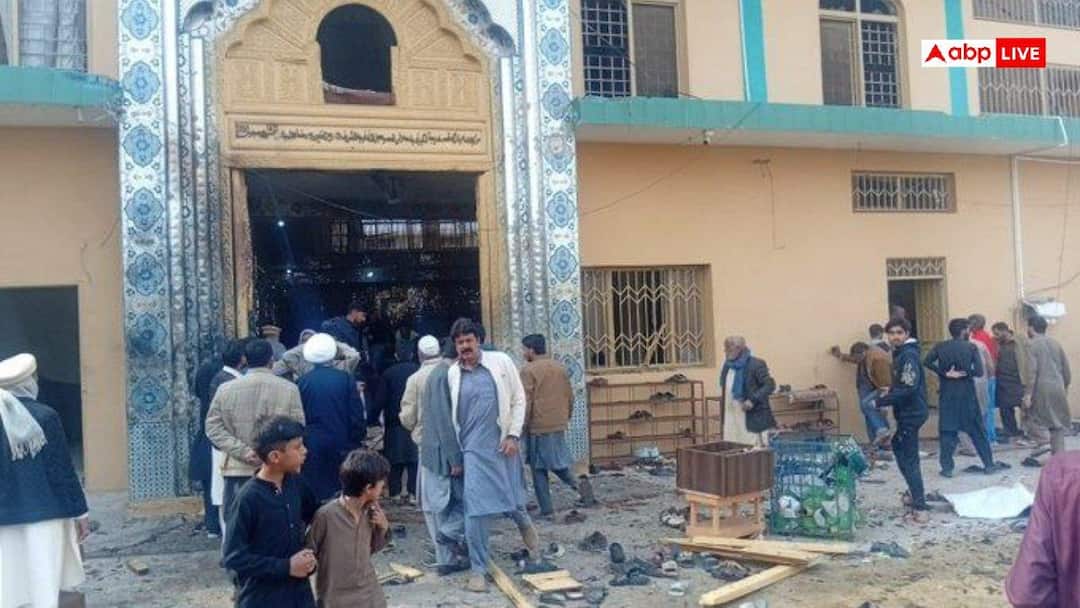
A suicide bombing at a Shia mosque in Islamabad on February 6 killed at least 31 people and injured more than 160, once again exposing the persistent threat of sectarian violence facing Pakistan’s Shia community. The attacker detonated himself near the entrance of the Qaiser Khadeejatul Kubra imambargah in Islamabad’s Tarlai Kalan as worshippers gathered for prayers. Despite Islamabad being among the country’s most heavily secured zones, the attack underscored how religious minorities remain vulnerable even at the heart of the Pakistani state.
Capital No Longer Immune
Officials said the blast occurred close to the mosque gate during peak prayer hours, a tactic repeatedly used in sectarian attacks across Pakistan. While violence against Shias has long plagued provinces such as Balochistan and Khyber Pakhtunkhwa, the Islamabad bombing marks a significant escalation, bringing mass-casualty sectarian terror directly into the federal capital.
Over the past two decades, Shia mosques, imambargahs, religious processions, hospitals and public transport have been targeted nationwide. Hazara Shias, pilgrims, clerics and ordinary worshippers have consistently borne the brunt, highlighting not isolated security failures but a sustained campaign enabled by weak enforcement and ideological tolerance.
Early warning signs emerged in 2009 with suicide attacks on Shia mosques in Dera Ghazi Khan, followed weeks later by another bombing at a funeral. Similar assaults continued through 2010 and 2011, including attacks in Chakwal, Lahore, Hangu and on Hazara communities in Quetta.
Two Decades Of Recurring Bloodshed
Sectarian violence peaked in 2013, when twin bombings in Quetta killed more than 100 people. That year also saw suicide attacks in Hangu and Karachi. Subsequent years brought further deadly incidents in Shikarpur, Peshawar, Karachi and Parachinar, alongside bus ambushes and targeted shootings.
More recently, a 2022 suicide blast at a Shia mosque in Peshawar killed dozens, while a 2025 attack on a shrine in Jhal Magsi claimed scores of Shia pilgrims. Each episode reinforced the same pattern: extremist networks operating with enduring impunity.
The February 6 attack has now dismantled any remaining perception that sectarian violence is confined to peripheral or unstable regions. Analysts say the uninterrupted chain of atrocities reflects deeper structural failures, from inconsistent policing to the long-standing accommodation of radical groups.
For Pakistan’s Shia minority, the reality remains stark: systematic targeting, fragile protection and fleeting accountability, while the militant ecosystem behind these attacks continues to survive.
Related Video
Tragic News: Kamal’s Homecoming Turns Into Fatal Accident
Disclaimer : This story is auto aggregated by a computer programme and has not been created or edited by DOWNTHENEWS. Publisher: abplive.com