Germany’s economy is unlikely to rebound in 2026 as geopolitical uncertainty, high costs and weak domestic demand weigh on growth, the German Chamber of Industry and Commerce (DIHK) said Tuesday.
“The German economy will not take off in 2026,” the DIHK stated in a press release, citing a survey it conducted earlier this year of 26,000 German companies across all sectors.
According to the survey, only a quarter of the companies surveyed assessed their overall business situation as good, while another quarter considered it poor.
READ ALSO: Which major German companies are cutting jobs this year?
“Despite the reforms announced by the federal government, the outlook is only slightly more optimistic than it was in the autumn,” the DIHK noted, with one in four companies surveyed anticipating a deterioration in the economic situation.
Germany, Europe’s largest economy, returned to weak growth in 2025 after two years of recession.
Based on its survey, DIHK forecasts “weak growth of 1 percent in 2026,” according to the group’s director.
At the end of January, the German government also revised its growth forecast for the current year downward to 1 percent, instead of the 1.3 percent announced in the autumn.
German investor confidence has also dipped, according to a new survey from the ZEW economic research institute released on Tuesday.
READ ALSO: German business morale stays low in January
ZEW’s regular indicator, which measures investor expectations for the German economy, dropped to 58.3 points in February, down 1.3 points month-on-month — disappointing analysts, who largely expected an improvement.
“Structural challenges, particularly in industry and private investment, remain considerable,” ZEW President Achium Wambach said in a statement.
A government spending blitz on infrastructure and defence has been slow to stimulate Germany’s economy, which has been hammered by a manufacturing slump, high energy costs and weak demand in key foreign markets like China.
In December, the influential German industry group BDI warned that the German economy is experiencing its deepest crisis since World War II.
In the DIHK survey, nearly six out of every 10 companies cited “weak domestic demand” as a risk to their business.
The same proportion also cited structural factors such as “rising labour costs” and “political and economic conditions,” while just under half pointed to “high energy and raw material prices”.
The situation is particularly concerning in Germany’s manufacturing sector, which lost 124,000 jobs in 2025 according to a study by the consulting firm EY.
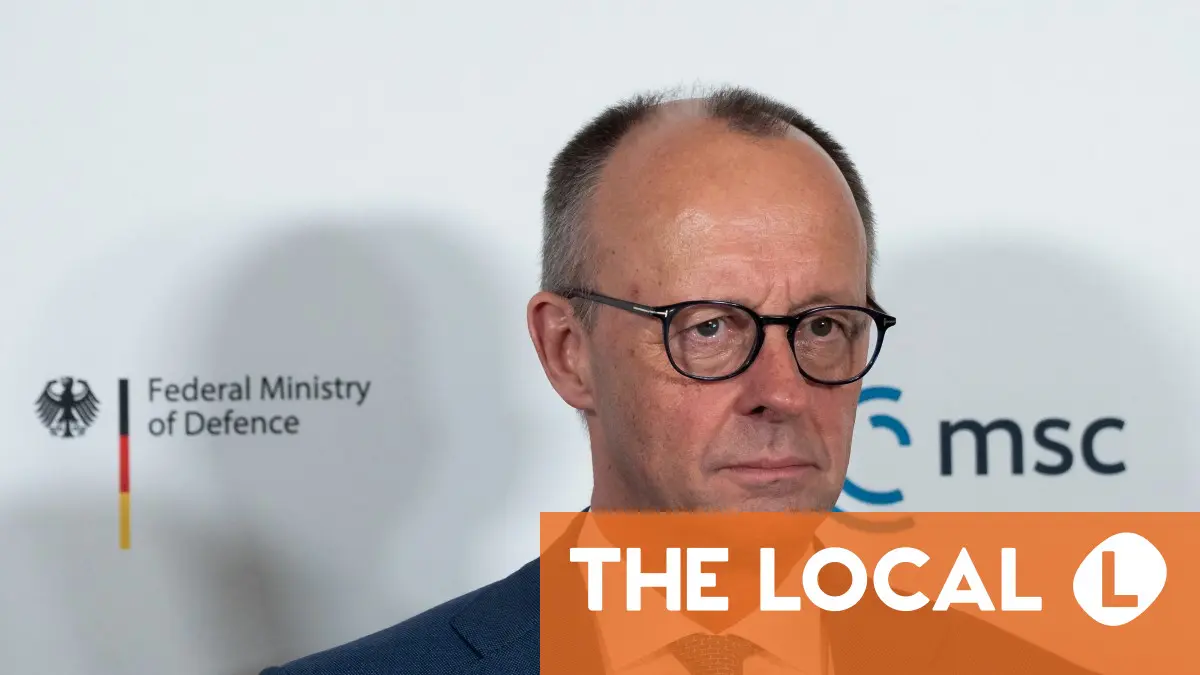
These worrying economic signs come as a poll published Tuesday by the Bild newspaper showed grim approval ratings for Chancellor Friedrich Merz, a conservative who came into office less than a year ago promising to revive the sputtering economy.
Only 22 percent of Germans believe Merz is doing a better job than his predecessor, Olaf Scholz, while 35 percent said they were more satisfied under Scholz’s leadership.
Scholz’s unpopularity helped drag his centre-left Social Democrats (SPD) to a historically poor showing in last February’s election.
Disclaimer : This story is auto aggregated by a computer programme and has not been created or edited by DOWNTHENEWS. Publisher: thelocal.de