
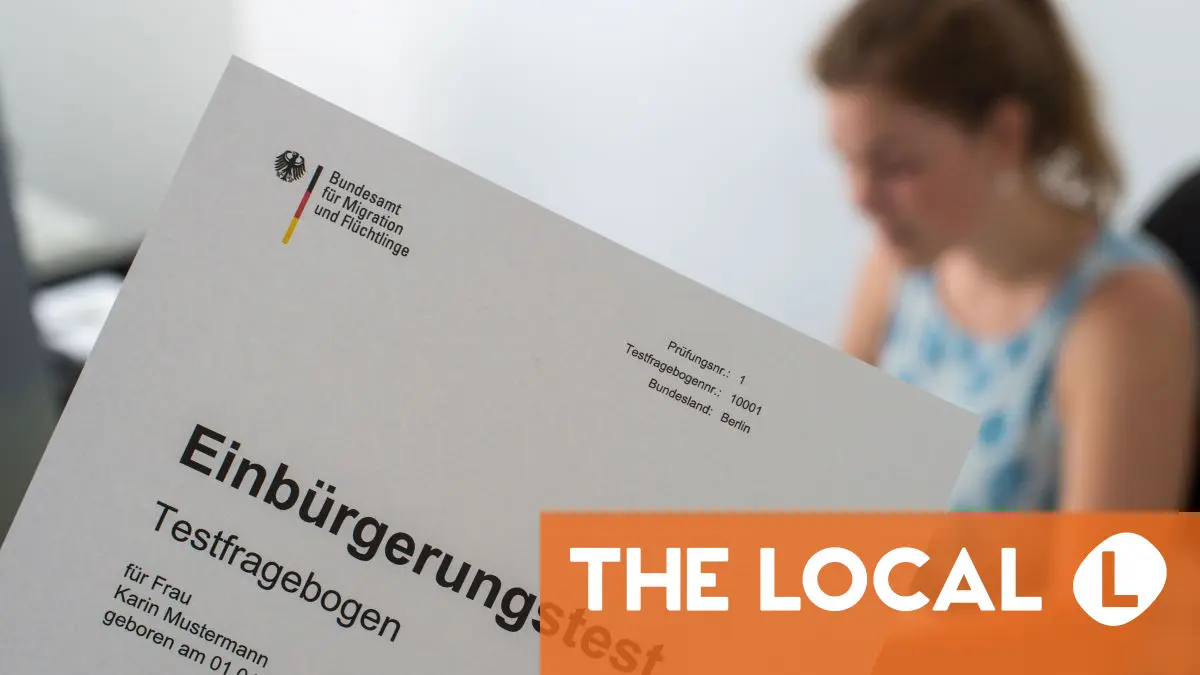
Police in Nuremberg have uncovered a scheme in which paid stand‑ins used forged identity documents to sit German language and naturalisation exams for migrants. We look at what it could mean for foreign residents applying for German citizenship.
Police in Nuremberg have arrested two men suspected of running and participating in an organised scheme to cheat on German language and naturalisation tests.
Investigators said a 39‑year‑old Iraqi national arranged for fluent German speakers to take official exams on behalf of migrants seeking residence permits or citizenship. The case came to light in January, when a 22‑year‑old German man was caught attempting to sit an exam under a false identity.
Searches in Nuremberg and North Rhine‑Westphalia followed, and officials said they expected a “high double‑digit” number of linked cases as the investigation widens.
What we know so far
According to police, the fraud centred on proxy test‑taking, a method more sophisticated than earlier cases involving fake certificates or memorised test answers.
Migrants allegedly paid €2,500 to €6,000 for a stand‑in – usually someone with excellent German skills – to take either a language exam or the naturalisation test (Einbürgerungstest) in their place.
The proxies used forged residence permits showing their own photograph alongside the personal information of the real test‑taker. Because the documents appeared authentic, examiners issued genuine certificates which were later used in residence permit and citizenship applications.
Investigators have described the scheme as “large scale”, with activity stretching from Nuremberg across Bavaria and North Rhine‑Westphalia. Raids uncovered forged documents, significant sums of cash and a small quantity of narcotics.
Authorities also said they believed the network was more organised and far‑reaching than earlier, isolated cases.
Last year, three men in Bonn were sentenced to prison for selling over 1,500 fake language certificates, according to WDR. The SHZ also reported on a woman from Armenia who was fined for submitting a fake language certificate.
READ ALSO:
Why foreign residents should be concerned
This case could have implications for migrants who genuinely sit language or naturalisation exams. According to the police reports, the latest case of fraud took place inside official testing centres using forged IDs capable of passing routine checks. As a result, exam providers and immigration offices could be expected to tighten their procedures significantly.
This means that even applicants who submit legitimate certificates could potentially experience additional scrutiny, especially following Germany’s decision in December to introduce tougher rules for people caught lying or using fraudulent documents when naturalising.
The potential consequences for anyone linked to forged or fraudulent documents are serious, including the possible withdrawal of residence permits, revocation of citizenship (up to 10 years after naturalisation) and even deportation.
READ ALSO: Germany plans ’10-year citizenship ban’ for applicants who use fake language certificates
How can applicants in Germany protect themselves from suspicion?
The non‑profit organisation Migrando, which provides legally reviewed information for migrants on residence law and integration requirements, advises applicants for naturalisation to use official, recognised language exam providers, such as telc, the Goethe Institute, or adult education centres (Volkshochschule).
These institutions follow strict identity‑checking procedures and are trusted by immigration authorities.
Migrando also warns applicants never to respond to offers on TikTok, Instagram, WhatsApp or similar platforms claiming to provide language or naturalisation certificates “without testing”.
Disclaimer : This story is auto aggregated by a computer programme and has not been created or edited by DOWNTHENEWS. Publisher: thelocal.de



