The broadcasting licence fee, commonly called the ‘tv tax’ or ‘radio tax’, is expected to increase in 2027, following a recommendation by an independent expert commission.
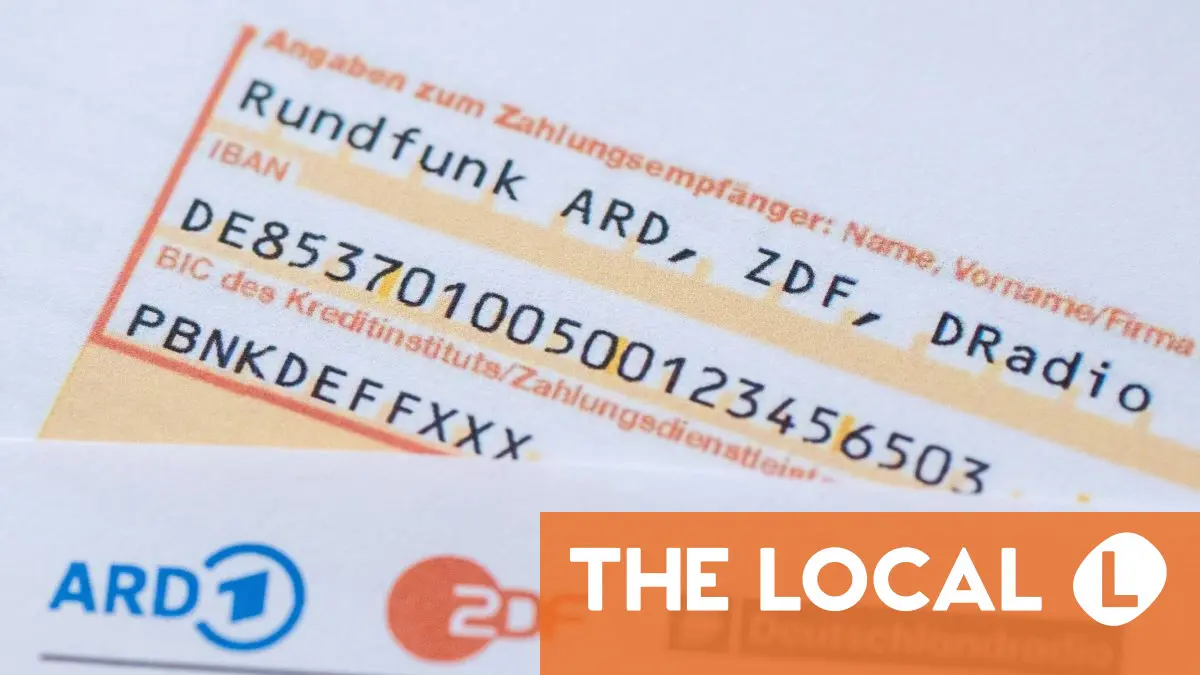
Anyone living in Germany will be familiar with the Rundfunkbeitrag – the broadcasting licence fee that finances public broadcasters ARD, ZDF and Deutschlandfunk.
Commonly referred to as Germany’s ‘tv tax’ or ‘radio tax’, every household in the country is obliged pay it, regardless of whether they own a television or radio.
The monthly fee is currently set at €18.36 per household, but it’s expected to rise by 28 cents at the start of 2027 following advice from the relevant commission.
The price of the monthly fee collected for the Rundfunkbeitrag is decided by Germany’s federal states, based on advice from an independent body called the Commission for Determining the Financial Requirements of Broadcasters (KEF).
KEF has now recommended that the fee rise to €18.64 per month from 2027 – an increase of 28 cents.
The proposal has been submitted to the 16 federal states, which need to agree unanimously before the change would be enshrined in a state treaty by the end of this year.
What this means for you
Assuming the states approve the recommendation, nothing will change in 2026. But from 2027 onwards, households would pay an extra 28 cents per month, or an additional €3.36 per year.
The obligation to pay remains unchanged. The licence fee is charged per household, not per person, and applies regardless of your personal media consumption habits – a point that often surprises newcomers.
If you’ve recently arrived in the Germany, you can expect a letter informing you of your need to pay the broadcasting fee, which usually arrives in the mail after you’ve registered yourself at a German address. If you live in a shared apartment where the fee is already being paid by another tenant, you need to inform the collection service of this fact. Otherwise you’ll need to set up recurring payments by direct deposit, or otherwise remember to submit payments yourself going forward.
As of mid-2025 the Rundfunkbeitrag collection service no longer sends further payment reminders by post.
READ ALSO: No more reminders to pay Germany’s broadcasting fee in the mail
Why the decision is not final
KEF exists to assess and recommend broadcasters’ funding requirements. But the final decision lies with Germany’s 16 federal states.
In 2024, KEF proposed a larger increase to €18.94 from 2025. However not all 16 states agreed, and the fee was effectively frozen at its current level.
That failure prompted ARD and ZDF to file a constitutional complaint, arguing that political deadlock unlawfully interfered with their guaranteed funding.
A ruling from the Federal Constitutional Court is expected sometime this year. However, that court decision may be made based on the KEF’s new lower recommendation rather than the previous €18.94 proposal.
KEF justified the smaller increase primarily by pointing to higher-than-expected revenues. According to the commission, the number of households paying the fee has developed more favourably than had been expected.
READ ALSO: Licence fees and cuts – How Germany plans to overhaul its public broadcasters
Overall financial requirements have changed little. KEF estimates total broadcaster spending of €42 billion for the 2025–2028 period, representing an annual increase of 2.2 percent.
Politically, the issue remains sensitive. With elections approaching in several states, it’s far from certain that governments will unanimously back even a modest rise – with the possible result that the fee will remain frozen at its present level while the debate rumbles on.
Disclaimer : This story is auto aggregated by a computer programme and has not been created or edited by DOWNTHENEWS. Publisher: thelocal.de