The Albanese government is poised to announce a major overhaul of the Department of Defence intended to reduce the multibillion-dollar cost blowouts and years-long delays that have marred recent major military projects.
The changes, to be announced as early as Monday, have been described by industry sources as a “wholesale reorganisation” of the defence bureaucracy and the most significant revamp in decades as Australia ramps up military spending.
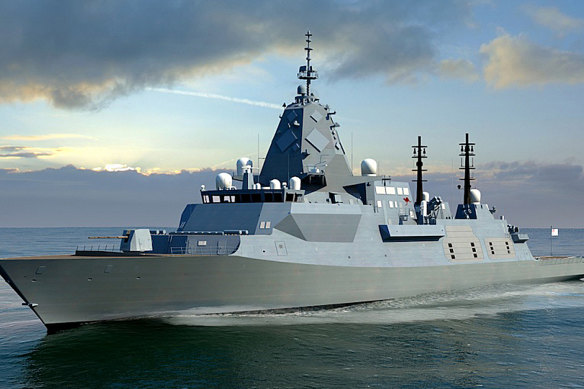
The changes are designed to avoid a repeat of the troubled Hunter-class frigate program.
The Department of Defence has a current budget of $56 billion a year, a figure that is set to rise to approximately $100 billion by 2034 amid growing regional tensions and pressure from the Trump administration for nations to spend more on their own defence capabilities.
Defence Minister Richard Marles flagged the changes in a speech in June in which he declared “everything is on the table, including bureaucratic reform of the Department of Defence, of the Australian Defence Force, and of defence agencies”.
“When we came to government, there were 28 different projects running a combined 97 years over time,” Marles said.
“Now that did represent a failure of leadership on the part of the former Coalition in government, but it also says something about the challenge which is in front of us now to ensure that the Defence establishment is fit for purpose to achieve this delivery outcome.”
As part of the changes, the government is expected to scrap three existing defence agencies – the Capability Acquisition and Sustainment Group, the Guided Weapons and Explosive Ordnance Enterprise, the Naval Shipbuilding and Sustainment Group – and create a national armaments division.
Marles’ office was contacted for comment.
The overhaul comes as the government searches for a new head of the Australian Submarine Agency, which sits outside of Defence and is responsible for delivering the AUKUS nuclear-powered submarine program. The first boss of the agency, Vice Admiral Jonathan Mead, announced in November that he would step down from the pivotal role in the middle of next year.
Defence Industry Minister Pat Conroy told an Australian Industry Group event last week that the government has been “very frank” about its “strong intentions” to continue reform of the department.
“You can expect shortly to hear even more policy announcements around reform,” Conroy said.
Conroy said the department had lost its “central acquisition core”, and that the government was determined to improve capability delivery and development.
Sources familiar with the overhaul said it was designed to give the government more control over major acquisitions and avoid a repeat of the much-maligned Hunter-class project, which has been beset by design changes, delays and cost overruns.
The government last year decided to cut the number of Hunter-class frigates from nine to six because of concerns they lacked firepower.
There is a strong view within the government that the department has lacked accountability and needs to be transformed to ensure the defence force can respond to growing geostrategic competition in the Indo-Pacific, including China’s rapid military build up.
The government is also preparing to announce a dramatic overhaul of the sprawling defence estate portfolio, including selling historic sites in several capital cities.
Cut through the noise of federal politics with news, views and expert analysis. Subscribers can sign up to our weekly Inside Politics newsletter.
Most Viewed in Politics
Disclaimer : This story is auto aggregated by a computer programme and has not been created or edited by DOWNTHENEWS. Publisher: www.smh.com.au