What if a city’s biggest eyesore could become its most valuable asset?
For years, a 100-acre mountain of waste loomed over Indore — 13 lakh metric tonnes of legacy garbage, plastic smouldering through the night, and smoke drifting into nearby homes. Families shut their windows to escape the stench. Crores were spent. Files were signed. Contracts were renewed. Yet the landfill stood unmoved — a public health risk and a growing financial drain.
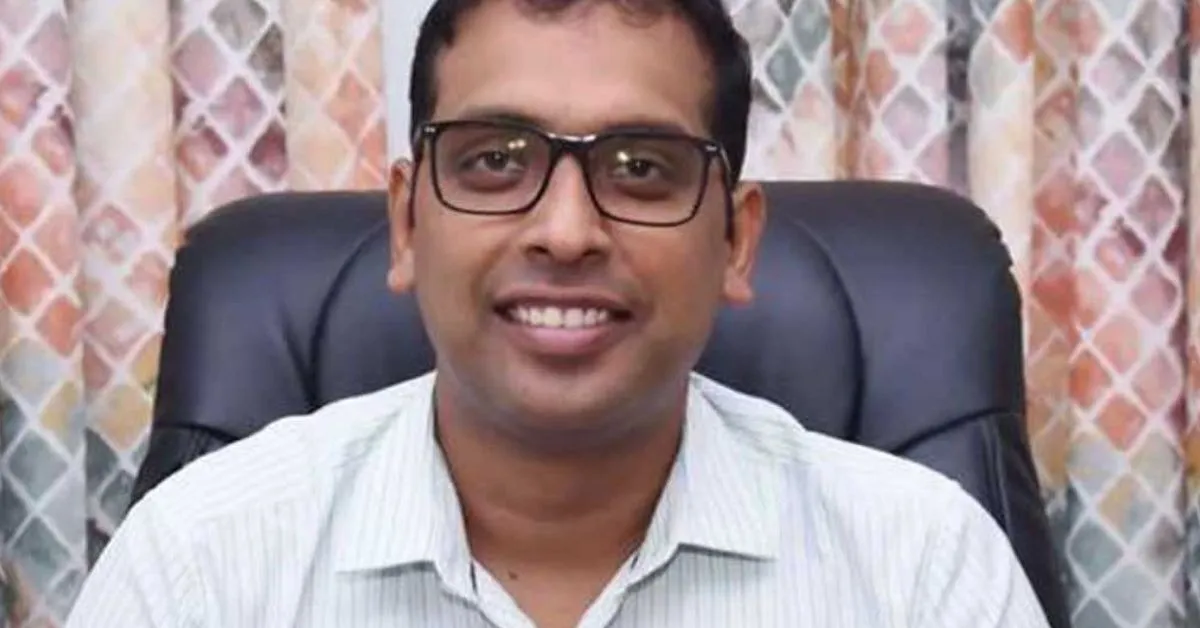
When IAS Asheesh Singh took charge as Indore’s Municipal Commissioner, he inherited this very crisis.
The city had already spent over Rs 60 crore on outsourced clean-ups. Yet the mountain of waste remained — toxic, expensive, and growing.
Instead of approving another contract and repeating the cycle, he chose to change the system itself.
Rethinking waste, reclaiming responsibility
Instead of outsourcing the problem yet again, the Indore Municipal Corporation decided to take ownership of the solution. Under Singh’s leadership, the city adopted scientific biomining — a structured, data-driven process aimed not just at clearing waste, but at recovering value from it.
The top layers of the landfill were first stabilised using bio-cultures to reduce toxicity and odour. Each layer of legacy waste was then mechanically screened and systematically segregated. Plastics, metals, rags and other recyclables were carefully extracted and channelled for reuse, ensuring that materials once discarded could re-enter the economy. As a result of this meticulous sorting, only about 15% inert waste ultimately required disposal in a secure landfill.
Clear daily targets were set, and execution was closely monitored to maintain both speed and accountability. What had long appeared to be an immovable environmental disaster was approached with discipline, precision, and consistent oversight.
Within just six months, 13 lakh tonnes of waste were cleared — at a total cost of under Rs 10 crore.
From liability to landmark
The impact went far beyond sanitation.
The reclaimed 100 acres are now valued at nearly Rs 400 crore, transforming what was once a toxic liability into a significant urban asset. A landfill that symbolised neglect has become a testament to what strategic governance can achieve.
/filters:format(webp)/english-betterindia/media/media_files/2026/02/25/ias-officer-asheesh-singh-2026-02-25-16-40-06.jpg)
This transformation was not powered by a bigger budget. It was powered by better thinking, tighter execution, and the willingness to question a system that wasn’t working.
Through decisive action and sustained follow-through, Asheesh Singh proved that even the most daunting civic challenges can be dismantled when leadership shifts from reactive spending to proactive problem-solving.
This reminds us that nation-building does not always demand grand announcements or massive funds. Sometimes, it begins with a simple but courageous choice — to refuse inefficiency, to safeguard public money, and to see opportunity where others see only waste.
Because true duty is not about maintaining what exists but also about transforming it for the better.
Disclaimer : This story is auto aggregated by a computer programme and has not been created or edited by DOWNTHENEWS. Publisher: thebetterindia.com