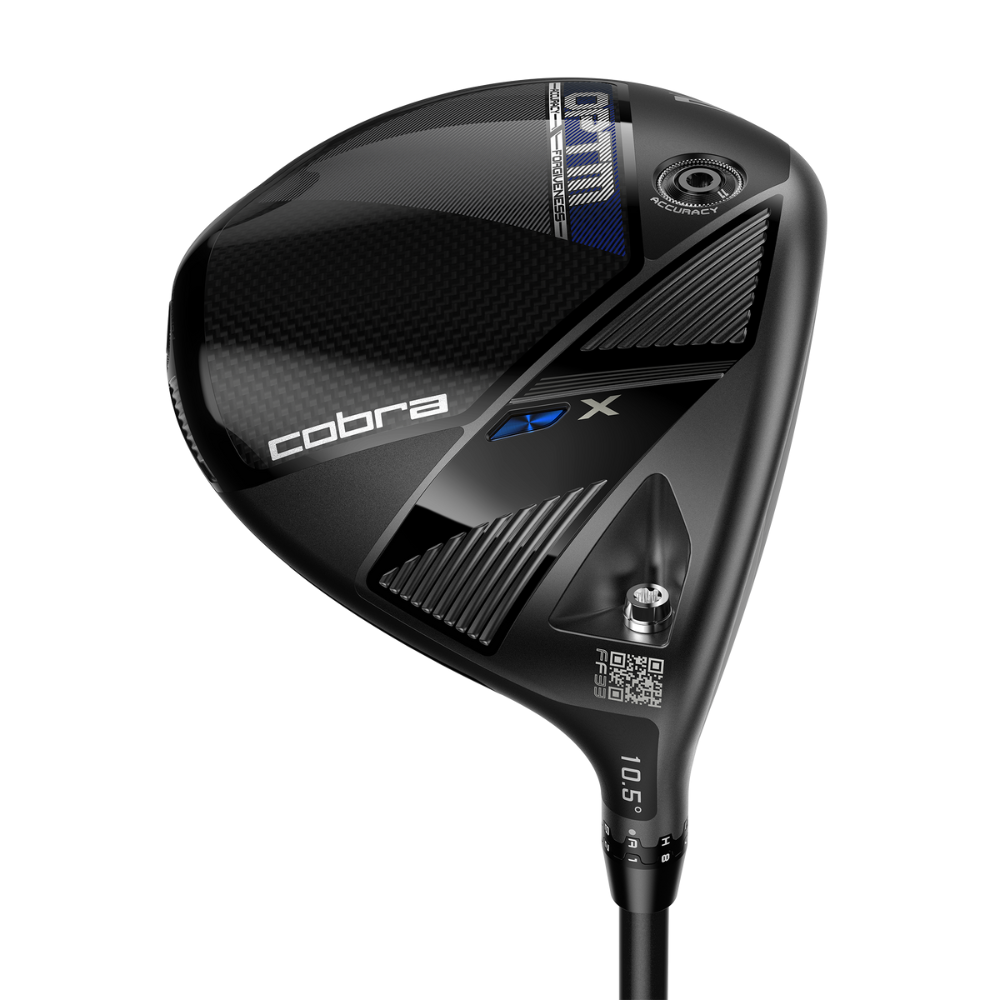
With so much technology flooding the club market in 2026, it’s easy to feel overwhelmed. Even out on the PGA Tour it takes a few months for not only the players but also the equipment reps to truly understand what the latest clubs can do. Everyone is well versed in the technology, but humans are striking the clubs and, as in any industry, field testing is required.
One of the challenges fitters face is playing in new sandboxes year after year. Center-of-gravity placements shift, face technology gets more nuanced, shafts evolve and on and on. The one variable and piece of tech that actually bears a good amount of the load is the “cog” (at least that’s what I call ’em) — that doo-hickey at the end of the shaft that dictates loft, lie, face angle, etc.
<figure class="youtube-facade" data-content="
“>
Amateurs don’t often mess around with these gadgets. (It’s almost like sticking your hand in that candy jar when you were a kid; you might get lucky and find a sweet treat or, in my case, take a house slipper to the forehead from my mother.) But really, this device is nothing to fear. It’s essentially a Tour van in a one-inch package.
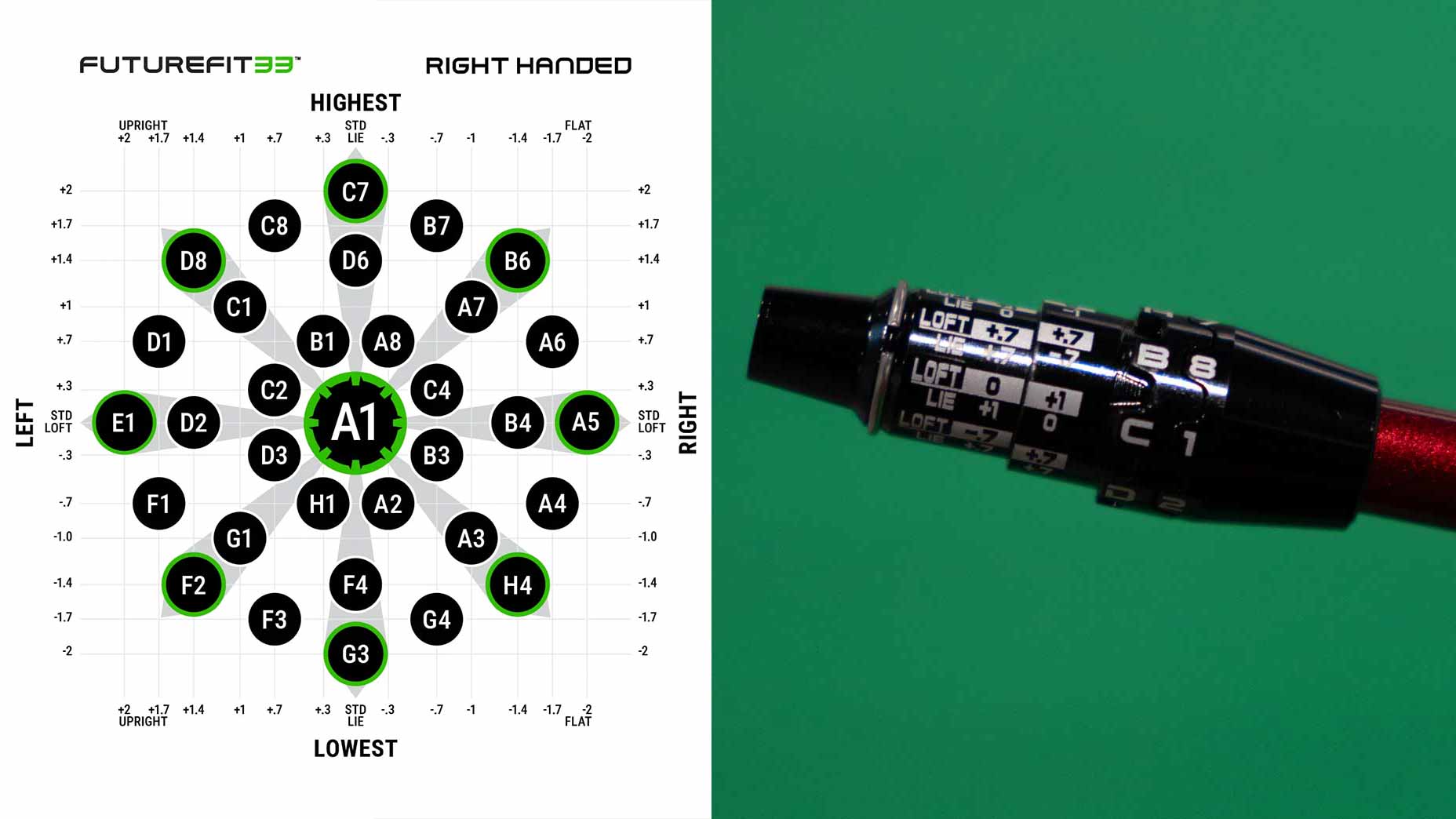
Among the companies that have nailed the tech is Cobra Golf, with its FutureFit33.
While most companies offer the ability to shift loft +/- 1 to 2 degrees, lie angle +/- 1 to 2 degrees, etc., there’s typically a tradeoff. For example, some clubmakers may allow you to loft down and move the lie upright, but not simultaneously, while others may allow you to shift the lie only upright but not flat. Cobra’s FutureFit33 allows you 33 options of adjusting your lie (up/down) and loft (strong/weak) into any combo you may need.
Cobra OPTM X Custom Driver
View Product
During my fitting with Cobra’s tour operations manager Ben Schomin, FF33 cracked the code for me. While I was starting to get great numbers from OPTM X, I had start-line and spin issues that needed to be addressed. But I required only fractional tweaks — i.e., .25 of loft or .3 degrees of lie whereas full degrees would have overshot the mark.
Most Tour trucks make these adjustments by being able to cherry pick multiple options of heads or having specific cogs that move in increments. Cobra needs only one cog. That’s a huge advantage, especially on a range when you have a player’s attention. In many cases, fitters will need to race back to the truck and rebuild an option with a different cog or pre-build multiple options for the player. Schomin and his crew can walk out with one head, one shaft, a wrench, a few weights and boom.
The end result for my fitting ended up coming down to fragments instead of chunks. I needed .7 less loft to make the spin perfect and .3 flatter to get the start line perfect.
Cobra Golf
The end result?
Cobra OPTM X 9 degrees @8.7 with Fujikura Ventus Black Velo+ 6X (45 dog, D3, tipped .5)
Swing Speed: 107-109 MPH
Ball Speed: 162 MPH
Spin: 2200RPM-2750 RPM
Launch: 11-12 degrees
Smash: 1.47-1.49
The takeaway: With OPTM changing the conversation of Moment of Inertia to Product of Inertia and coupling that with the ability to offer the consumer fast heads with a nuanced fitting system, it all but guarantees you a driver that is OPTMized to the nth degree.
Cobra evolved this year in a big way, and it would not have been possible without the help of FF33.
Want to overhaul your bag for 2026? Find a fitting location near you at True Spec Golf.
Disclaimer : This story is auto aggregated by a computer programme and has not been created or edited by DOWNTHENEWS. Publisher: golf.com