
First home buyers can benefit by up to $165,000 on their purchase with the government’s expanded 5 per cent deposit scheme, latest research has found.
In place of the bank of mum and dad or gifting grandparents helping first-timers raise the 20 per cent deposit, a new report from consultancy firm KPMG showed that getting into the market sooner through the government scheme, alongside rent and insurance savings and capital gains, provided a windfall.
Nationally, that means a typical benefit of $79,000, while in the higher priced cities of Sydney that rises to $165,000 and Brisbane to $127,000, while in more affordable Melbourne, it’s $75,000.
“What really drives these savings is, for people who haven’t been able to raise the 20 per cent deposit, that they can leave the rental market five to six years earlier than they could have otherwise, while they were saving,” said KPMG urban economist Terry Rawnsley.
“That means no more dead money from renting, as well as not having to pay the lenders mortgage insurance and instead, they might have five more years of capital growth on their property. It’s a scheme that is opening up home ownership to more and more people as raising that 20 per cent deposit was a big hill to climb.”
The Australian Government’s 5% Deposit Scheme was expanded from October 1 to offer low-deposit loans without lender’s mortgage insurance to an unlimited number of buyers on any income, and the eligible property price caps were also increased.
Those who’ve taken advantage of the scheme early have also benefited as they haven’t had to pay the higher prices that have been a consequence of pushing up demand.
The most recent Domain House Price Report showed the median house price nationally rose by 3.9 per cent over the December quarter – since the deposit scheme expanded to provide greater eligibility – and unit prices rose 3.5 per cent.
“But it’s still beneficial, even if you are paying a little more,” Rawnsley said. “It keeps the window open for more people to enter the market, especially those on lower incomes.
“It still aims only to alleviate short-term stress, however. Long term, we have to pedal harder to get more homes out of the ground to increase supply.”
The most recent Domain House Price Report showed the median house price nationally rose by 3.9 per cent over the December quarter.Credit: Jason South
Independent economist Saul Eslake agreed that the only real solution to the difficulties of first home buyers was building more homes, and the government making more land available for housing.
At the moment, he said, there was tangible evidence that prices were rising, particularly at the bottom of the market, for the most affordable product.
“The main beneficiaries of the 5 per cent deposit scheme are those people who have the capacity to service bigger loans, the loan on 95 per cent of the property price instead of the 80 per cent, with the deposit,” Eslake said. “So, while it can bring forward the purchase, you have to have a big enough income to service that loan.
“It always brings forward more demand, and without extra supply, there’s upward pressure on housing prices. As a result, prices are rising to the detriment of others who can’t yet afford to buy.”
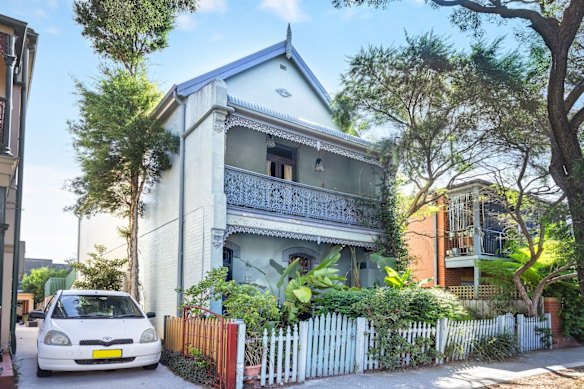
Affordability remains a problem for home buyers.
KPMG’s report said the benefits must be “viewed considering the effect this expanded policy will have on price growth”.
“For example, these benefits may be eroded or limited in some circumstances, particularly for FHBs who were already likely to enter the market in the near term, regardless of the expanded policy,” said the report.
Treasury modelling of the policy suggests it will push up property prices by a modest 0.5 per cent over six years.
Mortgage broker Brett Sutton of Two Red Shoes was also in two minds as to whether the scheme was a particularly good policy. He felt that first home buyers who got in quickly did well; those left behind could be even further behind.
“The policy just reshuffled the deck and helped those who jumped in early, before prices rose, and renters who are income rich, but were excluded by the price caps on the earlier iteration of the 5 per cent scheme,” he said.
“But affordability is still the biggest challenge for many, and that’s becoming an ever bigger challenge now with its long-term impact of probably artificially inflating prices. For those on lower incomes, that 5 per cent is even harder to save, and the competition is fiercer.”
Those who are applying now are battling those higher prices and, with a 95 per cent loan at peak prices means they’re extremely sensitive to any changes, such as interest rate rises, Sutton said.
“And it won’t be in the government’s interest to reduce property prices, as they’re now so invested in the revenue they receive from the market.”
Most Viewed in Property
Disclaimer : This story is auto aggregated by a computer programme and has not been created or edited by DOWNTHENEWS. Publisher: www.smh.com.au