Germany is this year set to adopt an EU directive that will make it easier for consumers to have household appliances and some electronic devices like smartphones repaired when they break. Here’s what you need to know.
There’s nothing more annoying than when your washing machine starts leaking, your tablet won’t turn on or your smartphone no longer charges efficiently.
But instead of replacing the equipment because it seems like the easier and cheaper option, a new EU directive known as the “right to repair” should make it easier for consumers in Germany to access repairs in future.
Plans to introduce this directive into German legislation are currently being laid out by the cabinet and will soon be debated in the Bundestag. It is so far expected to take effect in Germany by July 31st, 2026.
What is the right to repair?
The EU directive aims to conserve resources by making it easier and more affordable for consumers to have their electrical equipment repaired, rather than just buying new devices.
It is part of a wider set of measures designed to help achieve the EU’s goal of climate neutrality in the bloc by 2050.
The right to repair was adopted at the EU-level in July 2024, but it is still in the process of being transposed into German law.
READ ALSO: Where can I dispose my old electronic devices in Germany?
What are the planned changes in Germany?
Manufacturers of certain products, like appliances and household electronics, will be obliged to repair them for consumers at a reasonable price throughout their normal lifespan. This applies regardless of the duration of the product warranty, although exceptions will apply to contracts between businesses. In such cases, the right to repair can be contractually excluded.
The move also signals a shift in how equipment is designed. Devices must in future be built in a way that allows them to be repaired. A company that, for example, installs a battery that cannot be replaced or prevents repair through software restrictions would be in breach of the rules, allowing buyers to make a claim.
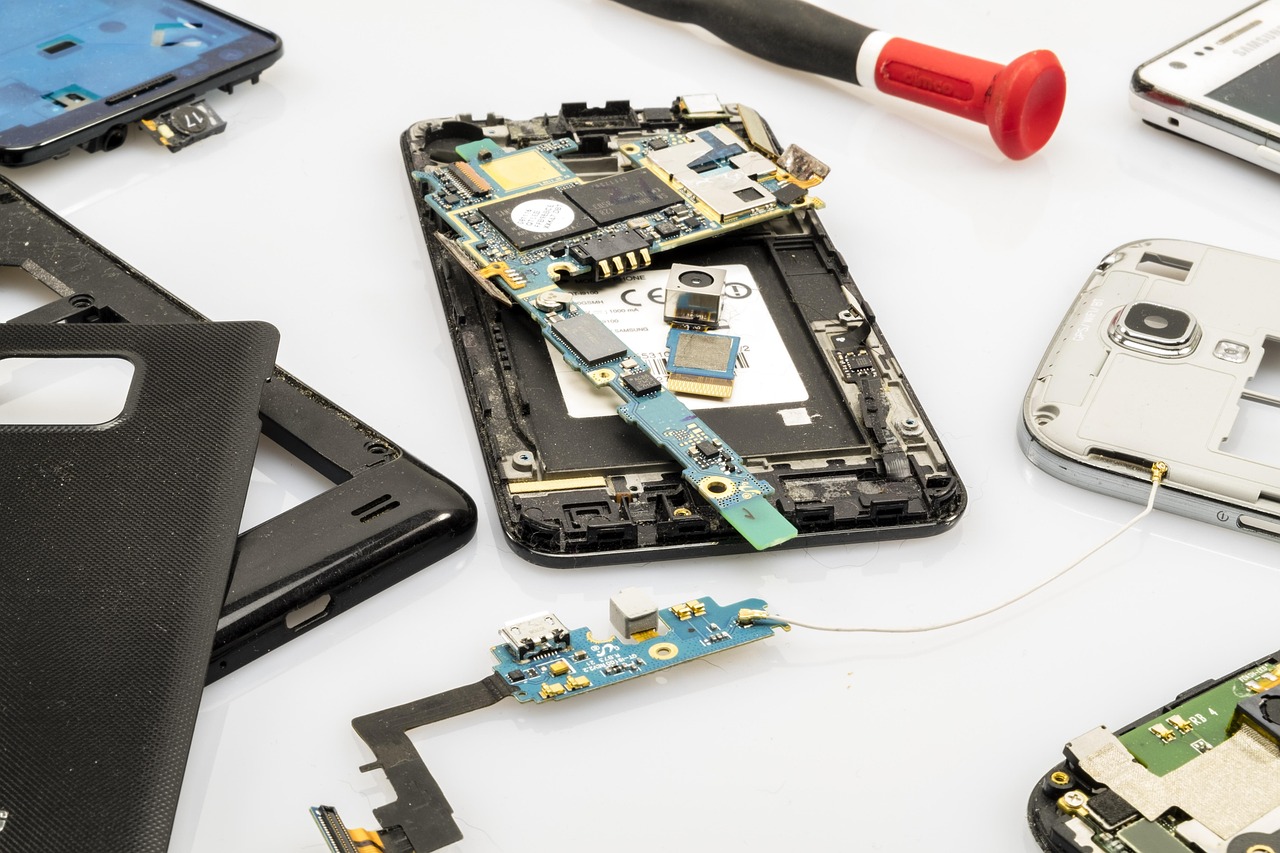
A mobile phone gets repaired. The EU Directive requires member states to transpose the amendments into national law by 31st July this year.
If a consumer chooses, within the warranty period, to forego a free replacement and instead opt to have a faulty product repaired, the statutory warranty period would be extended from two to three years.
The planned legislative changes are separate from any repair bonuses offered in some German cities and states.
READ ALSO: The easiest legal way to get rid of bulky waste in Berlin
Which appliances are covered?
This is set out in the EU Directive. Currently, it includes washing machines, tumble dryers, washer-dryers, domestic dishwashers, refrigerators, welding equipment, vacuum cleaners, servers and data storage products, mobile phones, printers, tablets, computers without a keyboard (so-called slate tablets), cordless telephones, e-scooters and e-bikes.
According to an FAQ page published by the European Commission, the obligation to repair would apply for five to 10 years in most standard cases, depending on the product.
What should I do with my broken washing machine then?
According to the directive, washing machines are generally expected to function properly for around 10 years.
If, for example, the spin cycle stops working after eight years or the lid starts rusting, the buyer could demand that the manufacturer repair the machine at a reasonable price.
If the buyer chooses to use a different repair service, the manufacturer must still provide spare parts at a reasonable cost.
In general, the prices of spare parts must not be so high as to discourage consumers from having devices repaired.
When does the law come into force in Germany?
The EU Directive requires member states to transpose the amendments into national law by July 31st this year.
Germany’s Justice Ministry is confident that the legislative process can be completed in time to meet this deadline.
But not all aspects of the reform will take effect at the same time. The new rules for sales contracts between businesses are expected to apply only to contracts concluded after December 31st, 2027.
If the timetable is met, the right to demand repairs from manufacturers would apply in Germany from the end of July 2026. The obligation to manufacture repairable devices and offed the extension of the warranty period would apply only to products purchased from July 31st onwards.
However manufactures may also be obligated to repair products sold even before that date in some cases, in particular for products that are covered by the EU directive from that point on.
How much waste will this prevent?
The exact impact isn’t known. But this directive forms part of a whole series of EU initiatives aimed at reducing electronic waste and strengthening consumer rights.
This also includes, the obligation to equip smartphones, portable speakers and certain other devices uniformly with a USB-C charging port, which has been in force since the end of 2024.
With reporting from DPA
Disclaimer : This story is auto aggregated by a computer programme and has not been created or edited by DOWNTHENEWS. Publisher: thelocal.de