
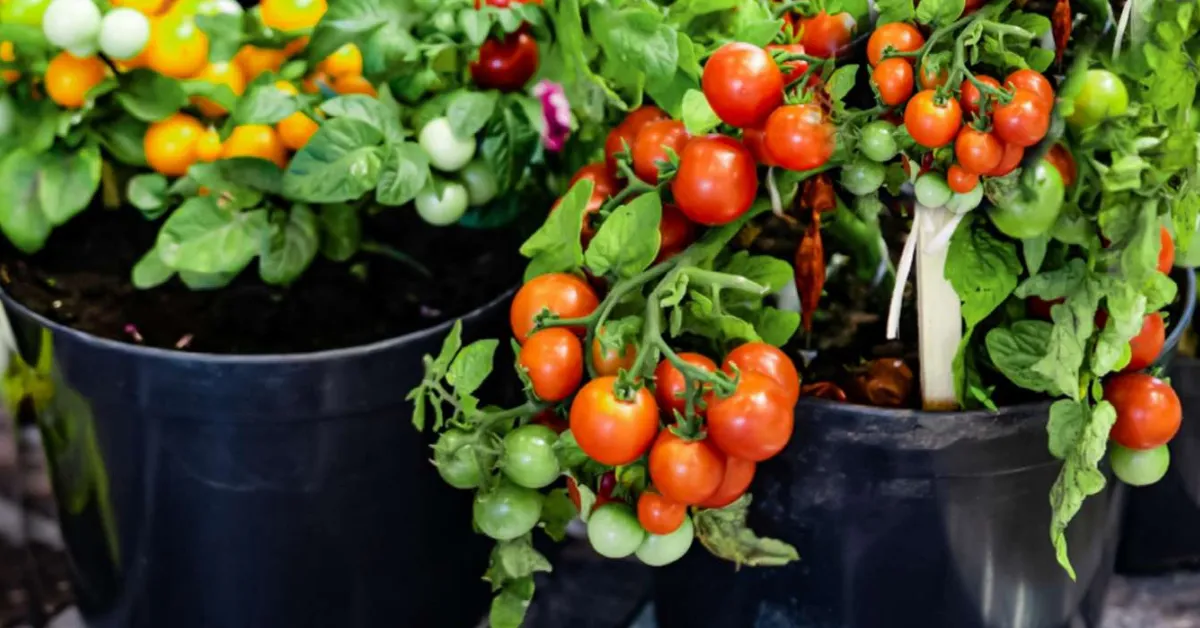
There’s something deeply satisfying about slicing into a tomato you’ve grown yourself. The flavour feels fuller, the effort feels worthwhile, and even a small balcony can suddenly feel productive.
Tomatoes are among the easiest and most rewarding plants for beginners. With good soil, steady care, and a little patience, you can grow a healthy crop in pots, grow bags, or a small patch of soil.
Here’s how to get started.
1. Choose a variety that suits your space
Start by deciding how much room you have.
Tomatoes are broadly divided into two types:
- Determinate varieties grow to a fixed height and produce fruit in one cycle. They work well in containers and smaller balconies.
- Indeterminate varieties keep growing and fruiting through the season. They need more space and support.
If you’re new, cherry tomatoes are often easier to manage. They grow well in pots and produce generously. Larger slicing varieties need deeper containers and stronger support.
Buy seeds or healthy saplings from a reliable nursery. Strong beginnings usually lead to stronger plants.
2. Prepare the soil
Tomatoes grow best in loose, well-draining soil rich in organic matter.
Before planting:
- Mix compost or well-rotted manure into the soil.
- Ensure proper drainage so roots do not sit in water.
- Aim for slightly acidic to neutral soil, ideally with a pH between 6.0 and 7.0.
If using containers, choose a good-quality potting mix enriched with compost. Avoid heavy garden soil in small pots, as it can compact and restrict root growth.
Healthy soil reduces many problems later.
3. Sow seeds and transplant at the right time
Tomato seeds should be sown in small trays or pots about six to eight weeks before the anticipated transplanting time. Keep the soil moist and place the containers in a warm spot with indirect sunlight. Seeds usually germinate within a week or two.
Once seedlings develop two to three sets of true leaves, they are ready for transplanting. If planting outdoors, harden the seedlings by gradually exposing them to sunlight over a few days. Space plants at least two feet apart to allow air circulation and reduce the risk of disease.
4. Water and feed regularly
Consistent watering is important for healthy tomato plants. The soil should be kept evenly moist but not waterlogged. Watering early in the morning helps prevent fungal diseases. Drip irrigation or a soaker hose is ideal for maintaining moisture without wetting the leaves.
/filters:format(webp)/english-betterindia/media/media_files/2026/02/13/growing-tomatoes-at-home-2026-02-13-08-44-23.png)
Tomatoes are heavy feeders. Regularly apply a balanced fertiliser or organic options such as compost tea or diluted cow dung solution. Fertilise every two to three weeks during the growing season to encourage strong vegetative growth and abundant flowering.
5. Provide support as they grow
Indeterminate tomato varieties need support to grow upright and bear fruit efficiently. Stakes, cages, or trellises help prevent the plant from sprawling, reducing the risk of pests and diseases.
Tie the stems gently with soft twine, being careful not to damage them. Pruning excess foliage also improves air circulation and directs the plant’s energy towards fruit production.
6. Encourage flowering and pollination
Tomatoes produce yellow flowers that eventually develop into fruits. Encourage pollination by gently shaking the flowers or allowing natural pollinators such as bees to visit your plants. Be patient because fruit development takes time, and green fruits gradually ripen to their full colour.
7. Manage pests and diseases early
Common pests like aphids, whiteflies, and caterpillars can affect tomato plants. Natural remedies, such as neem oil sprays or introducing ladybugs, can help manage infestations. Fungal diseases, including blight, can be minimised by avoiding overhead watering, providing adequate spacing, and removing affected leaves promptly.
/filters:format(webp)/english-betterindia/media/media_files/2026/02/13/growing-tomatoes-at-home-2026-02-13-08-47-08.png)
8. Harvest at the right stage
The most rewarding stage of growing tomatoes is harvesting. Pick tomatoes when they are fully coloured and slightly soft to the touch. Regular harvesting encourages the plant to produce more fruit. Handle them gently to avoid bruising, and store them in a cool, shaded place if not using them immediately.
Disclaimer : This story is auto aggregated by a computer programme and has not been created or edited by DOWNTHENEWS. Publisher: thebetterindia.com



