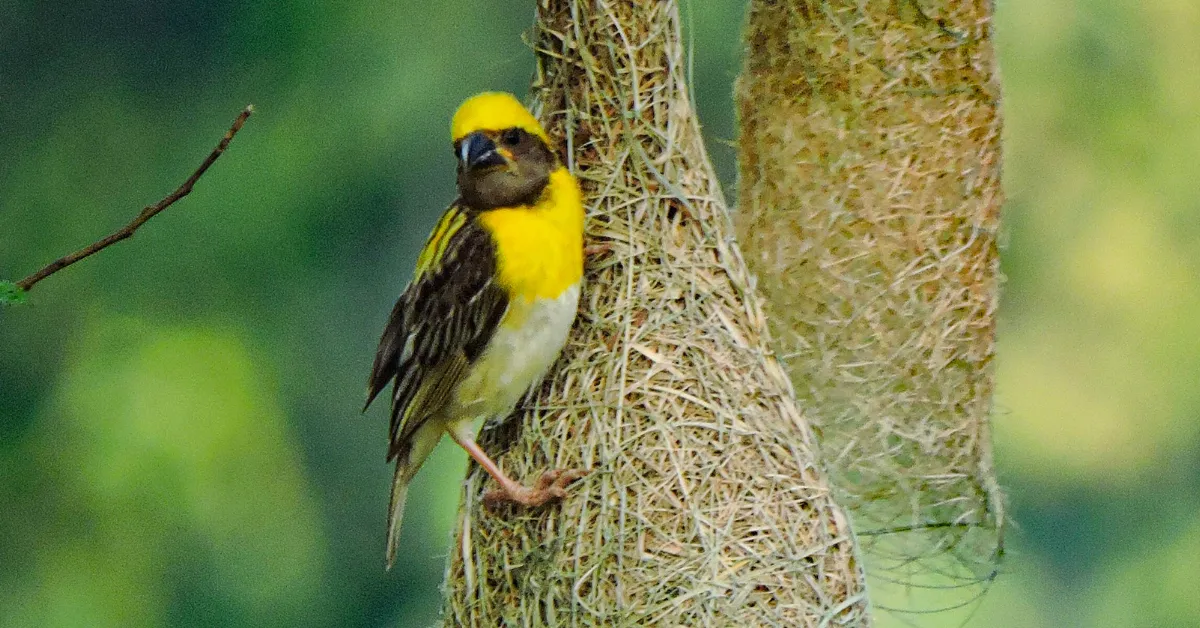
A garden is more than just flowers and greenery; it can be a lively refuge for birds. Imagine the soft rustle of leaves, bright feathers moving between branches, and tiny nests hidden in shrubs. With a few thoughtful touches, your garden can provide birds with food, shelter, and safety, while filling your outdoor space with movement and colour.
1. Let native plants lead the way
Local trees, shrubs, and flowering plants are ideal because birds are familiar with them. Dense shrubs such as hibiscus or bougainvillaea provide excellent cover for nesting, while trees with broad canopies like neem or jackfruit can host nests higher up, offering protection from ground predators.
Flowering plants attract insects, an important protein source for chicks. Mix evergreens with seasonal plants to make sure the garden remains attractive throughout the year.
2. Offer materials for nesting
Birds are naturally skilled builders, but they need raw materials. Leaving small piles of twigs, dry grasses, leaves, coconut fibres, or even soft feathers in a corner can help them construct their nests. Avoid synthetic strings or yarn as these can tangle young birds. Rotating different natural materials across the garden can also encourage a variety of species to settle.
3. Provide birdhouses and boxes
Cavity-nesting birds such as sparrows, parakeets, or owlets appreciate small wooden boxes. Place them at varying heights, ideally five to 10 feet above the ground, and in sheltered positions away from strong winds and human traffic. Make sure boxes have ventilation holes and a slight overhang to protect against rain. Regularly check them for damage, but avoid opening them while birds are nesting.
4. Keep water close by
Birds need water not just for drinking but for bathing, which keeps their feathers clean and healthy. A shallow birdbath, small fountain, or even a water-filled bowl works well. Position it near shrubs or trees so birds feel safe while drinking. Clean the water at least once a week to prevent algae or mosquito larvae, and make sure it is always topped up, particularly in dry weather.
/filters:format(webp)/english-betterindia/media/media_files/2026/02/23/attracting-nesting-birds-2026-02-23-20-52-56.png)
5. Grow fruit and berry plants
Fruit-bearing plants are an excellent natural food source. Bushes like mulberry, jamun, or raspberry, and trees such as guava, fig, or papaya, attract a wide variety of birds. Planting a combination of early, mid, and late-fruiting species confirms that food is available for birds throughout the nesting season.
Fallen fruit can also attract ground-feeding birds, adding diversity to your visitors.
6. Garden without chemicals
Avoid pesticides and chemical fertilisers, which harm insects and can be toxic to birds. Instead, use compost, neem oil, or organic pest-control methods. A small insect-rich corner of the garden, left undisturbed, can provide a reliable source of protein for chicks.
Even easy actions, like allowing some fallen leaves or twigs to remain, support insect populations and create natural foraging opportunities for birds.
7. Build safe corners
Birds need silent and secure spots to nest and rest. Dense hedges, bamboo clusters, or natural piles of branches can act as protective corners. Avoid areas with frequent human movement, barking dogs, or aggressive pets. By creating such safe spaces, you encourage birds to stay longer and feel confident nesting in your garden.
/filters:format(webp)/english-betterindia/media/media_files/2026/02/23/attracting-nesting-birds-2026-02-23-20-55-50.png)
8. Watch and wait
Once your garden is ready, let birds reveal it at their own pace. Observe from a distance, taking note of which species appear and where they prefer to nest. Avoid disturbing nests, especially during the early breeding season.
Over time, you may see chicks leaving their nests, parents searching for food, and even new species visiting your garden. Patience and respect are important to creating a sustainable home for birds.
Disclaimer : This story is auto aggregated by a computer programme and has not been created or edited by DOWNTHENEWS. Publisher: thebetterindia.com