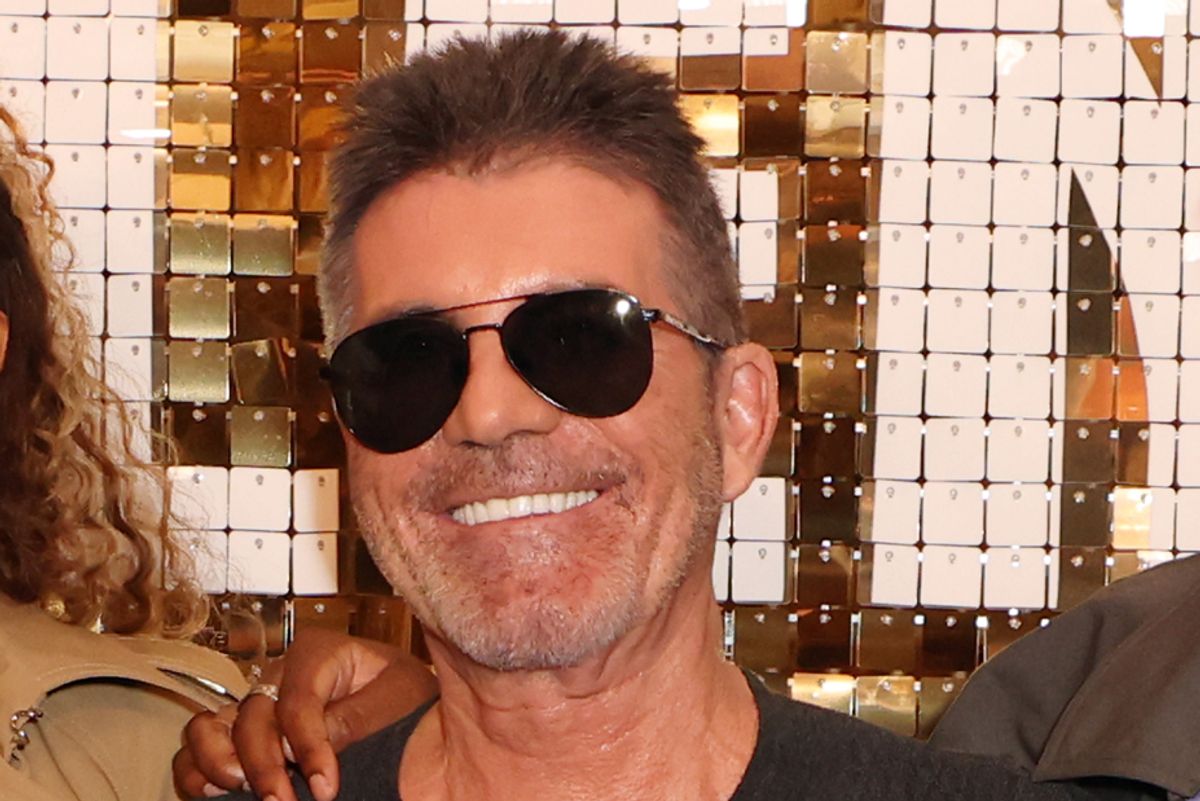
Nick Ede was once dubbed the ‘Simon Cowell of Style’ as a judge on Project Catwalk, but as the spotlight returns to noughties reality shows, he has one deep concern about what he’s seeing on screen now
I’ve sat on a judging panel and I’ve felt the producer’s nudge me to push harder and watching the new Netflix series Reality Check revisiting the chaos of noughties reality TV has left me deeply uncomfortable because I recognise it.
I was part of that world. The 2000s were a different planet. Pre-Instagram and pre-TikTok confessionals and pre-duty of care for the contestants were important. Television was built for shock value, and shows like America’s Next Top Model, The X Factor and There’s Something about Miriam dominated pop culture. The aim was all about the ratings.
I was dubbed “the Simon Cowell of Style” on the hit Sky reality show Project Catwalk a label that was meant to be flattering. My job was to be sharp, bitchy, opinionated. To slice through a contestant’s hopes with a perfectly timed one-liner.
READ MORE: Where are America’s Next Top Model winners now from Eva to Danielle?READ MORE: Where to watch America’s Next Top Model as bombshell Netflix doc airs
In today’s world, those comments would be clipped, memed, turned into GIFs within seconds. Back then, they lived on television and in tabloids and we told ourselves that was harmless. That it was just entertainment. That it was “toughening them up for the industry.”
But here’s the truth: there was no duty of care. No welfare producer quietly checking in. No on-set psychologist. No meaningful aftercare when the cameras stopped rolling. Contestants were often young, ambitious and desperate for validation.
Watching old footage now, including the judging style of Tyra Banks on America’s Top Model and others, I’m struck by how little accountability there was across the board. The format encouraged cruelty disguised as mentorship. If someone cried, it made compelling television. If someone unravelled, it was framed as drama.
It may have been a moment in time culturally. But it was people’s mental health. It was their real lives. Some of them went home not just disappointed, but publicly ridiculed.
That’s what unsettles me about seeing this era repackaged now. There’s a danger in treating it as kitsch nostalgia without acknowledging the emotional cost.
Reality TV today feels different. Look at Britain’s Got Talent. The judging panel are celebratory and even criticism is softened with encouragement. The golden buzzer is a moment of collective joy which I love.
Even shows like Strictly Come Dancing have cast a “villain” like Craig Revel Horwood, but it’s camp and more like a pantomime. The raised eyebrow and dramatic gasp are theatrical, not destructive. That’s the key difference here because in the Noughties, the drama wasn’t heightened for fun it was engineered for maximum impact. Tears were currency and conflict made for sensational ratings.
The Netflix series forces us to look back with modern eyes. We now understand mental health in ways we simply didn’t then. We talk about anxiety, online abuse, long-term trauma. We recognise that public shaming doesn’t evaporate once the credits roll.
Ensure our latest headlines always appear at the top of your Google Search by making us a Preferred Source. Click here to activate or add us as your Preferred Source in your Google search settings
Reality TV has evolved. There are safeguarding teams, psychological assessments, welfare checks. Even shows like The Traitors have a team to support the contestants, It’s not perfect but there is at least an acknowledgement that contestants are human beings, not just story arcs.
Shows like The Apprentice are still going strong and Jonathan Ross is about to unleash his now social experiment on Channel Four called Last Pair Standing. It shows that our appetite for reality isn’t dwindling new formats are being created all the time which I love but the narrative shift is very clear.
The Noughties gave us iconic television. But they also normalised humiliation as entertainment. I was once proud of being called “the Simon Cowell of Style.” Now, I see what that really meant. It meant I was cast as the villain, the soundbite generator and it made great TV. I’m just not sure it always made good choices for the people standing in front of us.
* Follow Mirror Celebs on Snapchat , Instagram , Twitter , Facebook , YouTube and Threads .
Disclaimer : This story is auto aggregated by a computer programme and has not been created or edited by DOWNTHENEWS. Publisher: mirror.co.uk