India, the world’s most populous country and widely considered the fastest-growing aviation market, has long been held back by poor competition in the industry. A country of nearly 1.5 billion (150 crore) people, the South Asian giant relies on only two major domestic carriers.
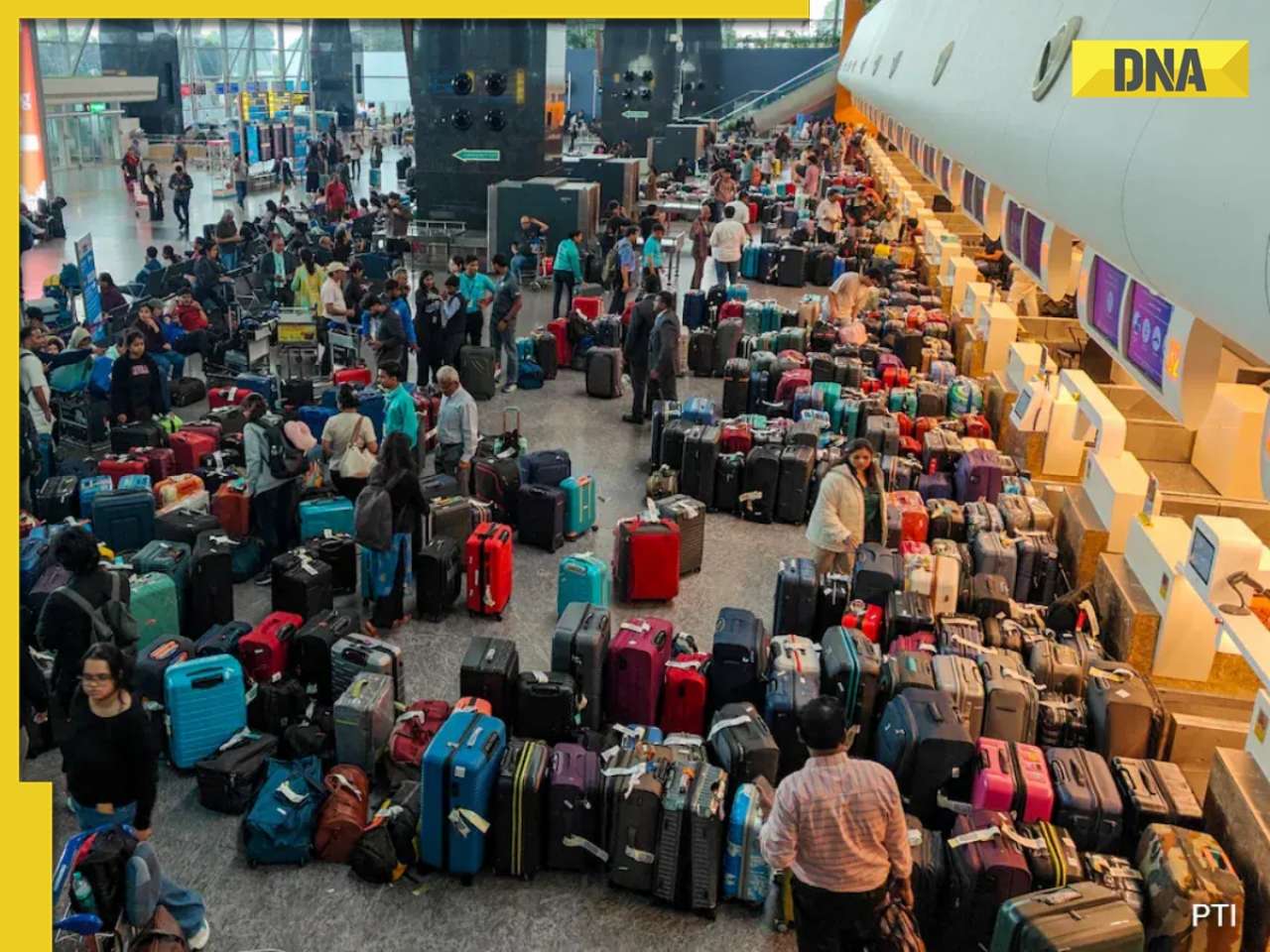
The unprecedented IndiGo crisis left tens of thousands of passengers across the country stranded.
A major crisis has unfolded at India’s largest airline over the last few days, leaving tens of thousands of passengers stranded and bringing monumental losses of money and time. The disruption came into motion after a change in government-mandated pilot duty hours, which Gurugram-based IndiGo failed to adapt to in due time. It then had to cancel hundreds, and sometimes more than a thousand, of flights on an everyday basis. But the chaos has not merely exposed IndiGo’s managerial failure but also a sheer lack of competition and robustness in India’s aviation sector. Here’s a brief breakdown of what has been going wrong.
India, the world’s most populous country and widely considered the fastest-growing aviation market, has long been held back by poor competition in the industry. A country of nearly 1.5 billion (150 crore) people, the South Asian giant relies on only two major domestic carriers: the once state-owned Air India and IndiGo, which has been in operation for less than two decades. This brings into question the government’s role in effectively ensuring healthy competition and passengers’ interests. In fact, several major airlines have vanished from the Indian market within a span of just one decade. Cases in point include: Vijay Mallya’s Kingfisher Airlines, Jet Airways, and Go First. Policy experts say the government could have saved the airlines by removing the promoters and making other meaningful interventions at the right time — steps that would have gone a long way in improving market competition and protecting customer interests.
These missteps have led to the emergence of a duopoly in India’s aviation industry, where IndiGo holds close to two-thirds of domestic market share, while Air India (owned by the Tata Group) holds most of the remaining share. As a result, customers bear the brunt: Airfares on busy domestic routes often exceed similar distances in Europe or the United States. Two-hour domestic flights (such as between Delhi and Mumbai) tend to cost more than four-hour international flights in other regions. India has thus turned out to be among the word’s costliest aviation markets, with policy experts saying the country needs at least eight major operators to create the required level of competition, stabilise fares, and reduce the risk of crises such as the one snowballing at IndiGo.
According to policy experts, the government has long ignored making structural reforms in the aviation sector, which has resulted in shock crises and a serious lack of accountability. Experts say that to fix the situation, the government must proactively encourage new domestic players, work to revive grounded airlines, and allow established foreign companies to compete under regulated conditions. Only by ensuring good competition and prioritising customers’ interests can India become an aviation leader in the true sense, experts add.
Disclaimer : This story is auto aggregated by a computer programme and has not been created or edited by DOWNTHENEWS. Publisher: dnaindia.com