
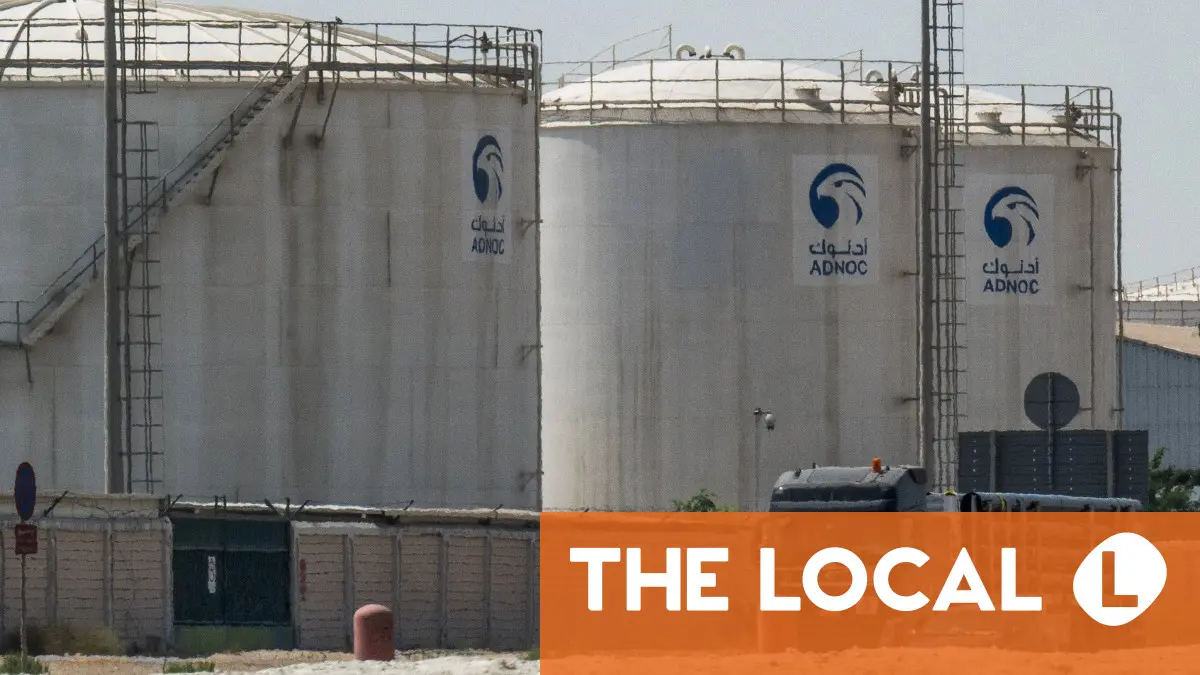
In the Middle East energy exports to Europe have been disrupted by the conflict between the US, Israel and Iran that has spilled into surrounding regions. Economic experts are predicting a spike in inflation.
A lengthy Middle East conflict and sustained drop in energy supplies could trigger a “spike” in eurozone inflation and hit regional growth, the European Central Bank has warned.
“A jump in energy prices puts upward pressure on inflation, especially in the near term,” ECB chief economist Philip Lane said in an interview with the Financial Times published Tuesday.
The conflict would also be “negative for economic activity”, he said, according to a transcript of the interview released by the central bank.
A 2023 ECB analysis had “indicated there would be a substantial spike in energy-driven inflation and a sharp drop in output if a conflict led to a persistent drop in energy supplies and disruptions in regional economic activity,” he said.
The US and Israeli attacks on the Islamic republic and Iran’s retaliatory strikes in the region have disrupted energy flows, with the crucial Strait of Hormuz — through which about a fifth of global oil transits — effectively closed off.
Qatar has also halted liquefied natural gas production following Iranian attacks on state processing facilities.
Both oil and gas prices have jumped sharply since the war began at the weekend.
Lane said the “scale of the impact and the implications for medium-term inflation depend on the breadth and duration of the conflict”, adding that the ECB would be closely monitoring developments.
Berenberg bank chief Holger Schmieding has predicted a persistent rise in the oil price by $15 per barrel could push up eurozone consumer prices by almost 0.5 percentage points.
Research group Capital Economics said a sustained energy price increase could add around 0.3 percentage points to inflation.
After surging in 2022 due to the energy shock triggered by Russia’s invasion of Ukraine, inflation in the 21-nation euro area has in recent times fallen back to around the ECB’s two-percent target.
The Frankfurt-based central bank has kept its key interest rate on hold at two percent since June last year. It holds its next rate-setting meeting on March 19th.
READ ALSO: Germany, France, UK ready to take ‘defensive action’ against Iran
Disclaimer : This story is auto aggregated by a computer programme and has not been created or edited by DOWNTHENEWS. Publisher: thelocal.de



