From a break from the winter weather to the president’s run-down palace in Berlin and a beauty pageant trying hard to stay relevant, here’s what we’re talking about at The Local this week.
Inside Germany is our weekly look at some of the news, talking points and gossip in Germany that you might’ve missed. It’s published each Saturday and members can receive it directly to their inbox by going to their newsletter preferences or adding their email to the sign-up box in this article.
After a winter that tested patience with grey skies, storms and weeks of freezing temperatures, the final days of February are offering Germany a brief and welcome taste of spring.
According to the German Weather Service, temperatures of between 13 and 23C were expected in parts of the country on Friday, with the warmest conditions in the Upper Rhine region.
In some places, the mercury may even edge past 23.1C, which would be a new record high temperature for Germany in February. The previous February high was set in Jena in 1900.
(And just in case you were wondering, Germany’s coldest February temperature to date was -37.8C, measured at Kärntenberg near Wolfstein in Rhineland-Palatinate on February 12th, 1929)
The Local’s advice is to get out and enjoy the sunshine while it lasts: cooler, wetter weather is forecast to return by Sunday and early next week in many places.
READ ALSO: What’s on in Germany – Seven unmissable events this March
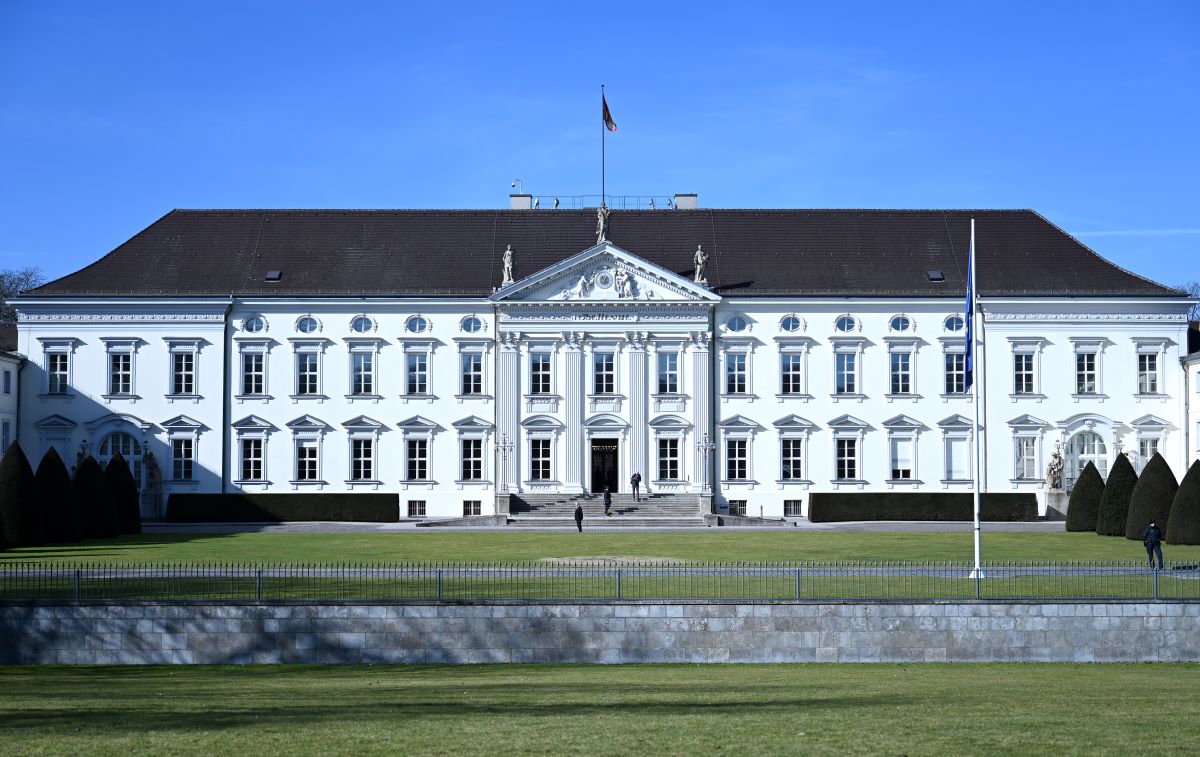
Where is this?
Photo: picture alliance/dpa | Elisa Schu
While it arguably deserves a spot among the German capital’s more eye-catching buildings, this palace, which serves as the official residence of Germany’s president, is not generally among the city’s top sightseeing recommendations.
It’s the Bellevue Palace in Berlin, and while it still looks good from the outside, on the inside the palace is apparently quite rundown, with leaking roofs and broken ventilation.
Now the official residence of Federal President Frank-Walter Steinmeier is set to be closed and renovated over the next eight years.
But while it’s hard to imagine anyone grudging President Frank‑Walter Steinmeier somewhere warm and dry to work, the sheer scale of the project does raise questions.
The Federal Presidential Office estimates the costs for the Bellevue upgrade at €601 million — plus a €71 million provision for construction price increases, a €188 million risk reserve and another €200 million for temporary offices while the work is carried out.
In a sad sign of the times, much of the spending is driven by new security requirements, including reinforced façades, explosion protection, secure windows and expanded control zones.
Across Berlin, huge sums of money are being poured into a number of other major prestige projects. Just six of these – at the Pergamon Museum, the new “berlin modern” museum, the State Library at the Kulturforum, the Museum of Natural History, the Komische Oper and the Bauhaus Archive – are said to total over €3 billion in public investment.
At the same time, Berlin’s culture budget for 2026 and 2027 was cut by around €150 million at the end of last year, falling below two percent of total state spending for the first time in years, according to reporting by taz.
These cuts are set to fall disproportionately on the independent scene. Funding for workspaces, studios and rehearsal rooms is being slashed, and fees and salary compensation for children’s and youth theatres are also being reduced.
READ ALSO: Berlin culture official quits after funding cut backlash
Miss Germany
Looks closely and you’ll find other signs that Germany may not be quite as future‑facing as it sometimes claims. Take, for example, the Miss Germany competition, which remains very much a fixture in the national broadcasting calendar.
A new winner is due to be crowned on March 7th, one of a final group of nine women selected from more than 2,600 applicants.
In the build up to the big day, the organisers have been on a promotional blitz, insisting that the contest no longer has anything to do with physical appearance.
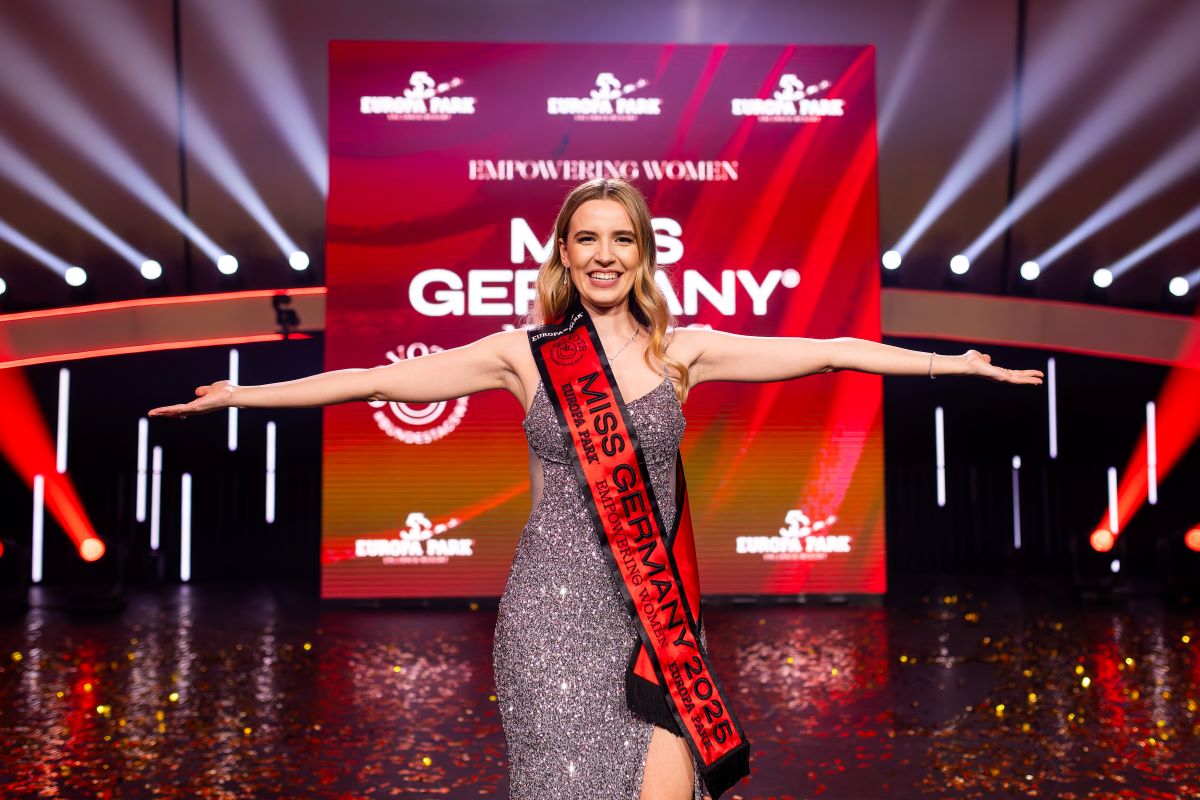
The reigning ‘Miss Germany’ is Valentina Busik, a doctor who works with artificial intelligence. Photo: picture alliance/dpa | Philipp von Ditfurth
Instead, finalists compete in categories including “Female Founder”, “Female Mover” and “Female Leader”.
The shortlisted candidates include a biologist who grows human skin in laboratories to reduce animal testing, a press officer for the German Armed Forces who has been deployed in Iraq and Lithuania, and a digital entrepreneur who shifted her business online during the pandemic and was named “Streamer of the Year” in 2025.
READ ALSO: Five ways to show you’ve mastered Germany’s unwritten social codes
The final, held on the eve of International Women’s Day, will be broadcast live on television with the last remaining contestants competing for votes from the TV audience.
The organisers are already looking forward to an even bigger event next year, when the competition celebrates its 100th anniversary in Germany – a reminder that the future is often just the past dressed up in new clothes.
Disclaimer : This story is auto aggregated by a computer programme and has not been created or edited by DOWNTHENEWS. Publisher: thelocal.de