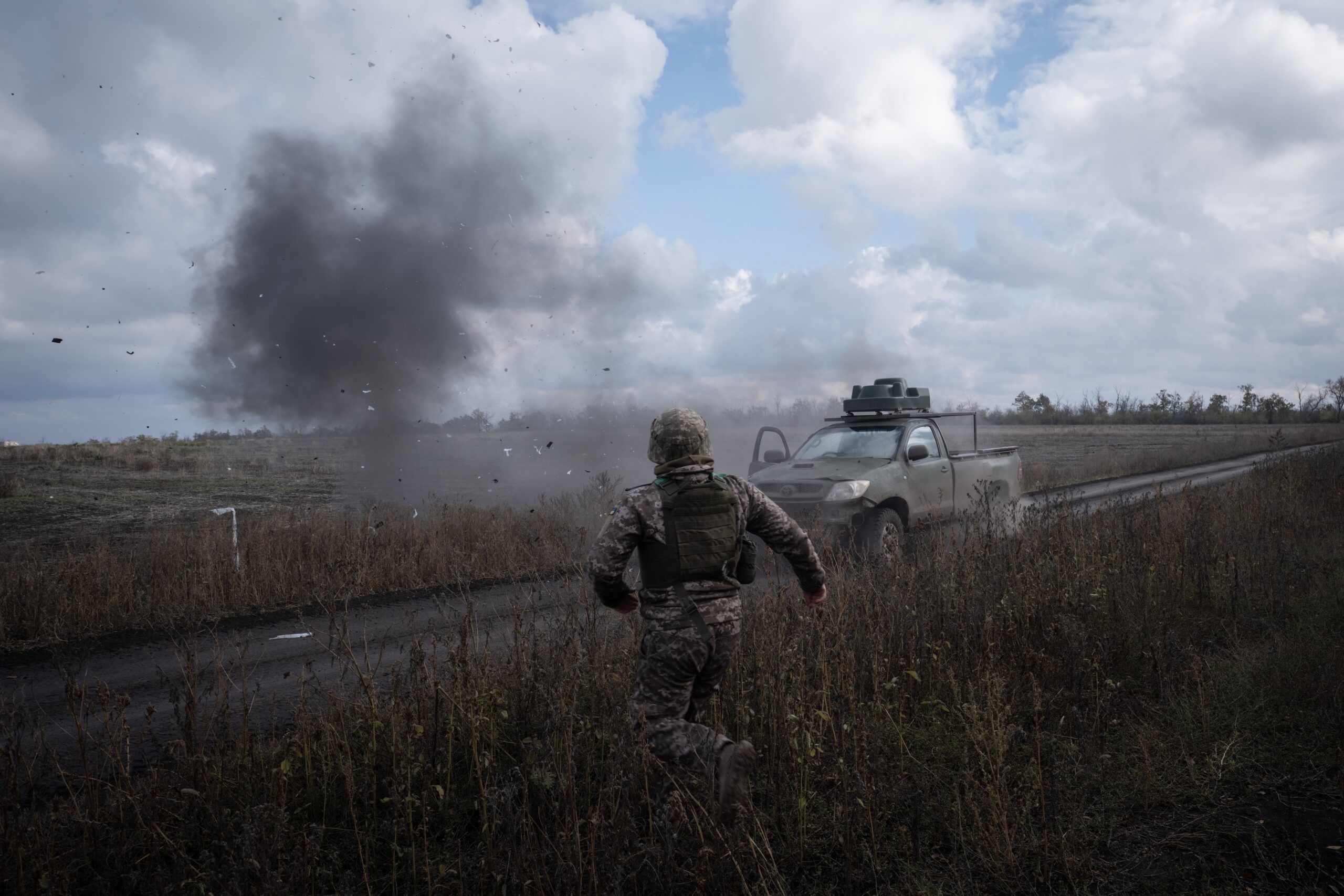
Even on a 30-minute drive from Russia’s positions in eastern Ukraine, being visible can be fatal.
The buzz of rotors overhead is constant. Fibre-optic cables criss-cross cratered fields. Pick-up trucks are encased in prickly metal cages for protection. In cities such as Kherson, nets are strung across roads and hospitals in an attempt to tame the sky.
Long gone are the days of large, concentrated troop movements, whether on foot or by vehicle. Soldiers crawl for days under cover of darkness and anti-thermal cloaks, or wait for fog thick enough to mask a rotation. Supplies arrive by drone; the wounded sometimes leave by robot.
Taras Chmut, a marine veteran and founder of Come Back Alive, one of the largest Ukrainian charities arming the military, refers to this netherworld as the “kill zone” — where anything that moves can be instantly targeted and destroyed.
Warfare had changed in a “radical way”, he said. And every month the kill zone grows in size. “For Europeans, it is still difficult to comprehend.”
A new reality
The old “rear”, where supply vehicles once moved freely, is now a target grid. And at the centre of this new warfare is the first-person-view (FPV) drone — loitering over supply lines, hunting vehicles and striking opportunistically with devastating precision.
The result is a near-total retreat of conventional transport from the forward-most combat area. “Almost no transport is used in the kill-zone closer to the frontline,” said Iryna Rybakova, press officer for the 93rd Kholodnyi Yar Separate Mechanized Brigade.
Movement by road is largely confined to bad weather — rain, snow or high winds — when visibility drops and drone control and optics are degraded.
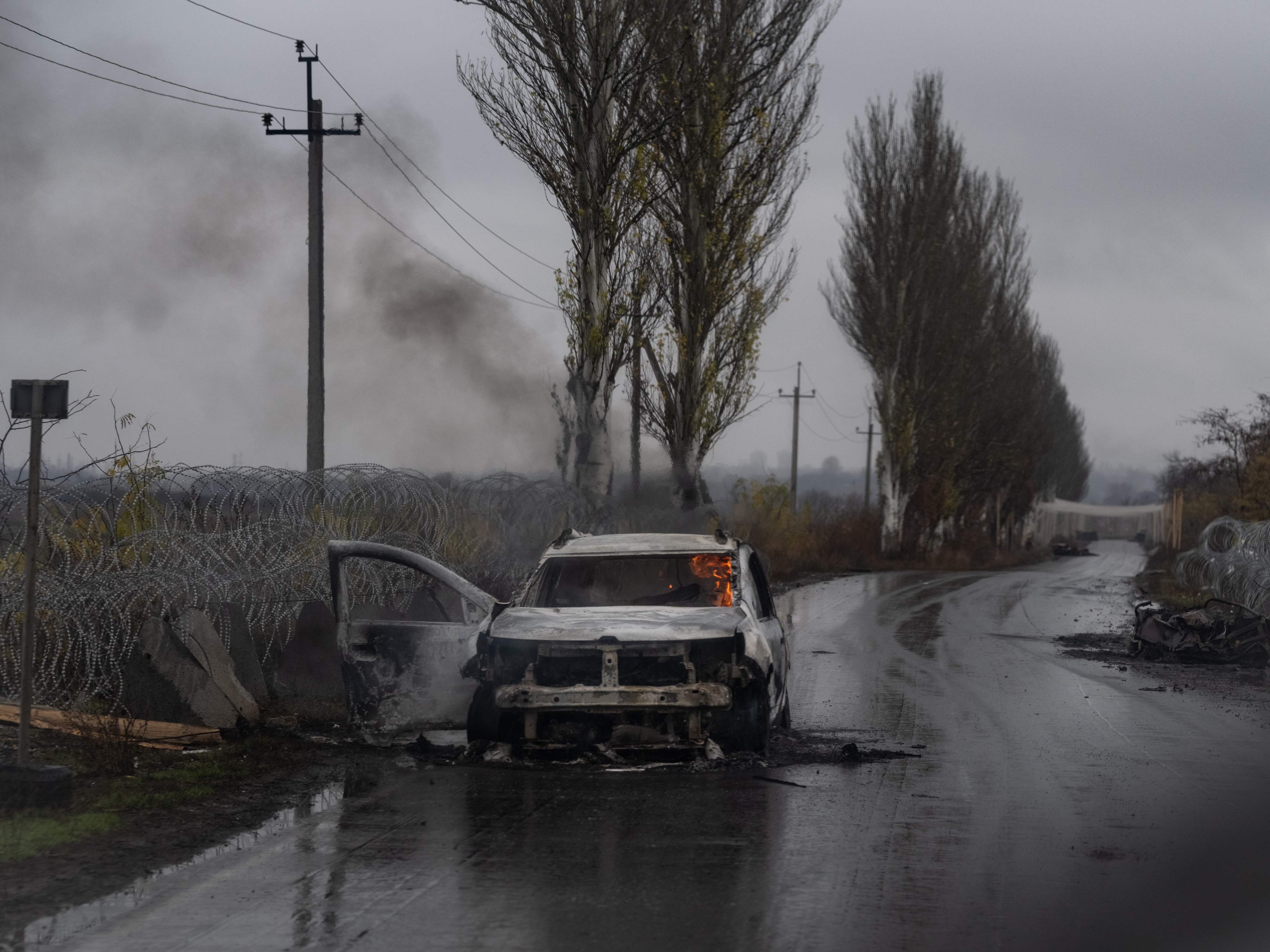
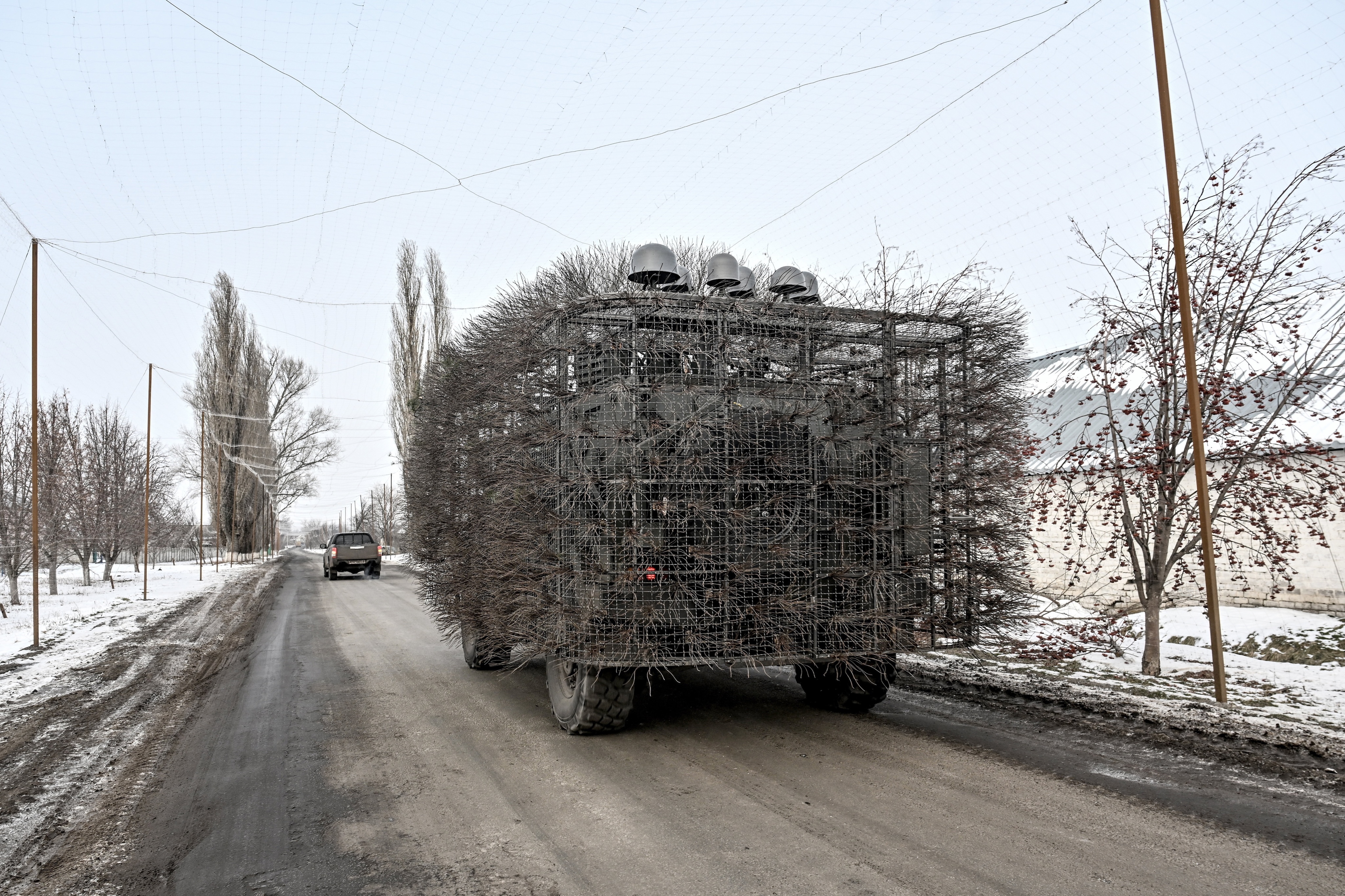
Thousands of kilometres of nets are draped to form tunnels over the main highways. This drone cover is designed to prevent suicide FPVs from diving at vehicles. But even under netting, vehicles move only at considerable risk.
Many of those that do venture forward resemble freakish Mad Max vehicles, reinforced with additional armour and equipped with anti-drone cages and spikes to lessen the impact of explosions. Troops, for their part, reside mostly underground, or encamped in heavily camouflaged positions.
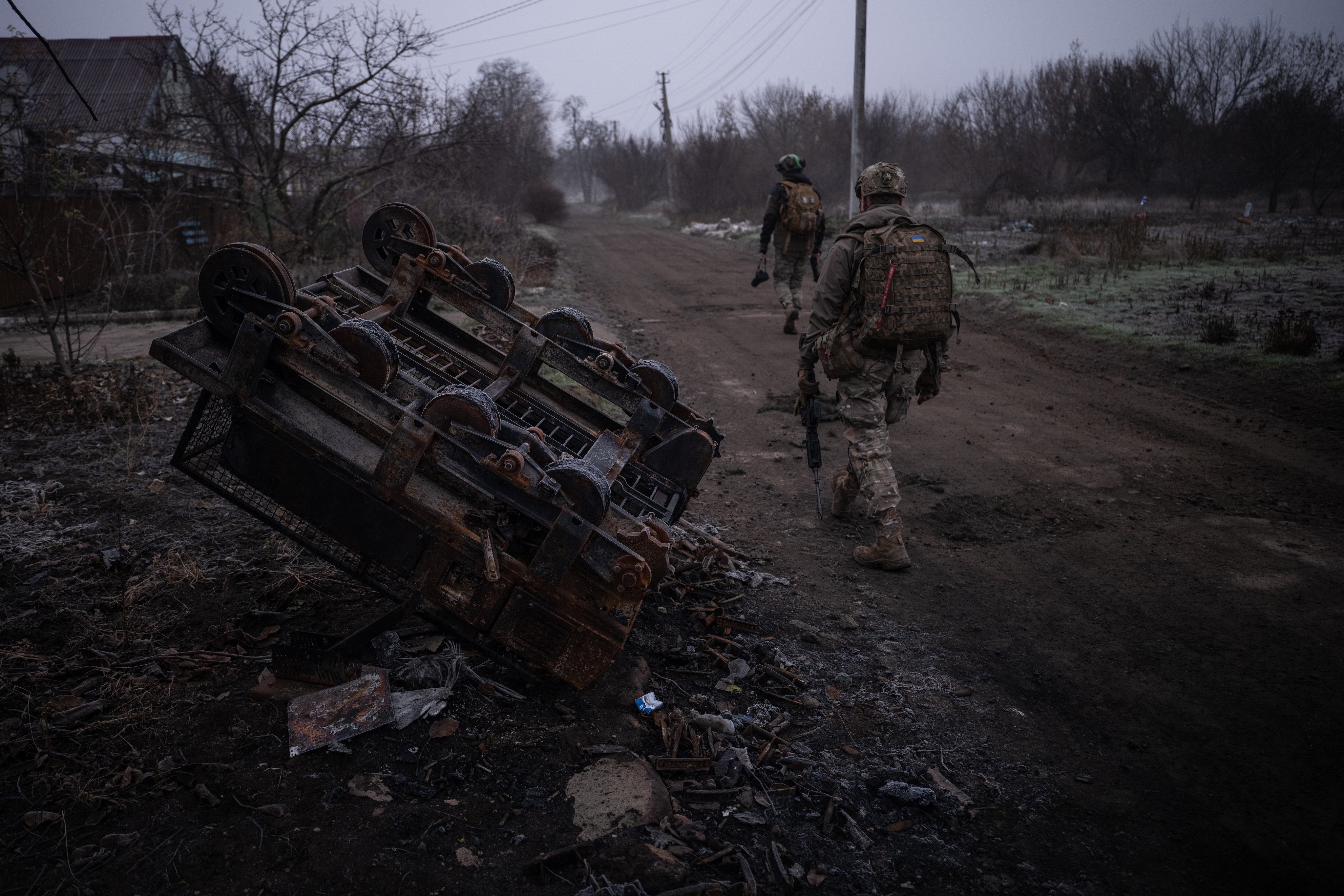
Volodymyr Demchenko, a Ukrainian film director turned soldier, described a belt of “chaos”. “Trenches, ruins, burned trees, bodies of [the] dead that are impossible to take back,” he said. “Everywhere barbed wire, optical fibre from drones, pieces of weapons.”
The enemy can be “ahead, behind, [at the] sides — and for sure he will be in the sky.”
Modern warfare
The battlefields of eastern Ukraine have become a proving ground for new technologies of death, and for the countermeasures devised to blunt them.
Electronic warfare saturates the front, jamming signals and forcing drone operators into a contest of adaptation, troops and analysts say.
But there is a way around it that is increasingly favoured by Russia: drones tethered to ever-longer fibre-optic cables, reaching 40km in some instances.
These are immune to radio interference and often highly effective. Some lie in wait beside roads. “It will then take flight and hit the vehicle,” said Mike Dewhirst, founder of drone maker Evolve Dynamics and drone technology consultancy AirQit — describing it as a new, dynamic form of mining.
Drones have complicated traditional methods of supply


Graphic: Tk tk tk
Gone are mechanised columns that mounted the armoured assaults in the first year of the full-scale war.
Soldiers are instead increasingly turning to low-tech defences. Troops ride on the back of pick-up trucks with machine guns and shotguns primed, ready to fire at descending suicide drones. One gun firing a net at drones, turning the soldier into a latter day retiarius gladiator, has been deployed with some success.
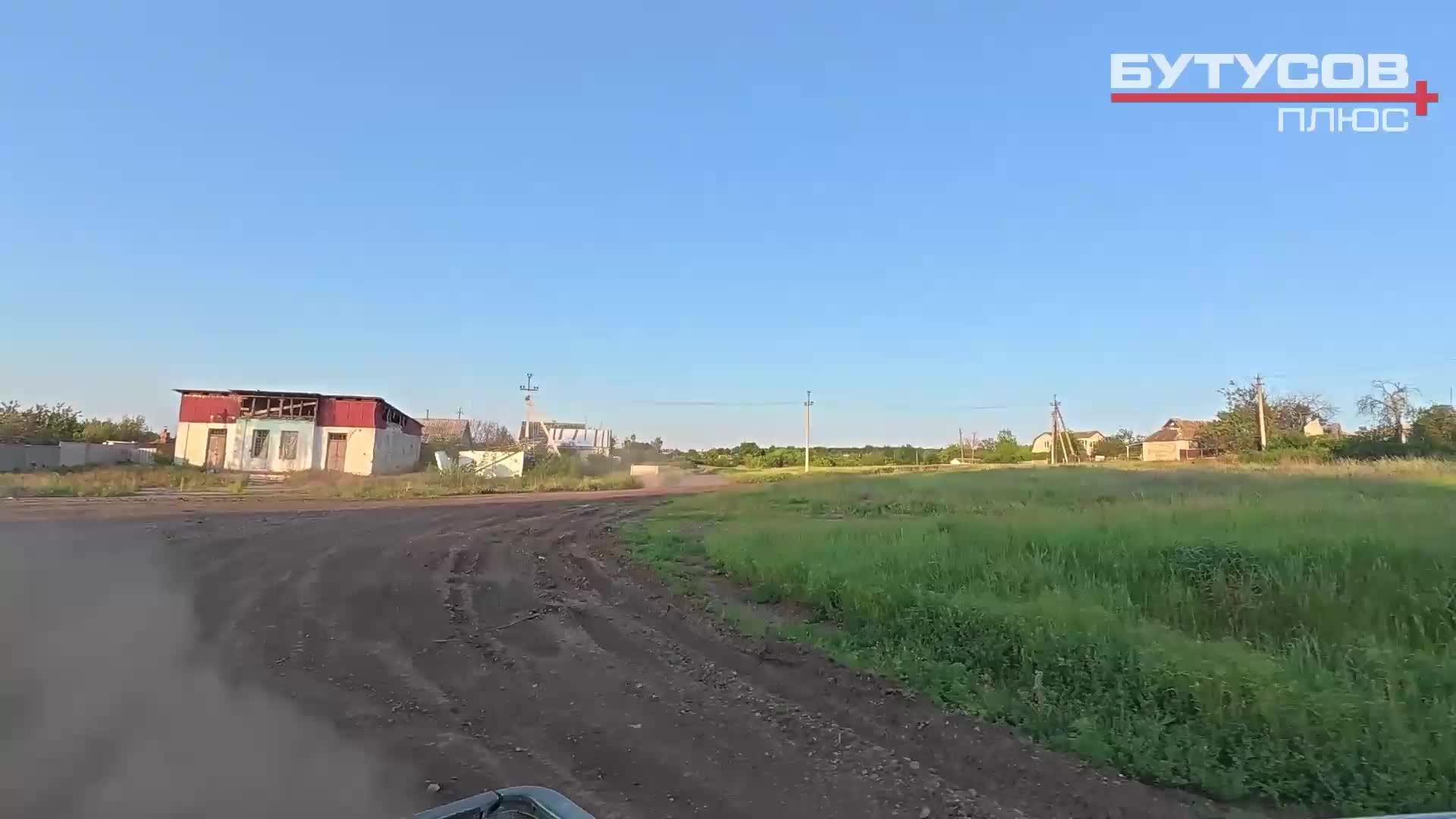
New assault tactics are also emerging. Demchenko said Russian forces “crawl several days under anti-thermal cloaks”. Every night they move dozens, or hundreds of metres, often in pairs, as they attempt to amass in large enough numbers to control the area.
Other Russians have also been seen using motorcycles, quad bikes, buggies and motorised scooters. Some even entered battle on horseback.
Ukraine’s response has been to drive as many attacking soldiers as possible into kill zone fortifications.
With three anti-tank ditches, rows of barbed wire and mines, only a few roads offer “safe” passage for the Russians, said Clément Molin of the Atum Mundi think-tank, which has been mapping fortifications.
And these roads are under fire from Ukrainian drones.
The fortifications and cutting edge drone technology have raised the costs for the Russians. Drones account for as much as 80 per cent of Russian battlefield deaths, according to military officials.
Ukraine’s Unmanned Systems Forces make more than 100,000 drone flights a month
Number of flights
Kyiv claims Moscow suffered 35,000 losses in December alone. Volodymyr Zelenskyy, Ukraine’s president, said there was now a “clear price” for every kilometre of extra land seized on the Donetsk front: 156 Russian soldiers.
The pressure of aerial surveillance has also lengthened rotations. Infantry, as well as drone, anti-tank and mortar operators, remain in position for extended periods, because relief movements are so dangerous.
There are countless stories of troops spending months dug in at forward posts.
In one of the most well-known cases, Junior Sergeant Serhii Tyshchenko, a combat medic, remained on the front without rotation for 471 consecutive days, helping his unit hold back enemy assaults west of the city of Bakhmut.
Surviving in the kill zone


Graphic: Tk tk tk
In another, Ukrainian infantry troops Alexander Alikseenko and Alexander Tishayev held the line near Orikhiv for 165 days without rotation. Some 30 attempts were made to relieve them; their salvation eventually came from a period of thick fog.
The men trapped at the front endure changing seasons and extreme weather — freezing cold in winter and dry heat in summer — and go months without bathing. On top of drone attacks, gun fights and mortar blasts, they must contend with mice and mosquitoes.
They survive off food and water air-dropped by drones, as supply, too, has migrated skyward.
Most essentials are now delivered by air, but bulkier loads are transported by unmanned ground vehicles, or UGVs, which shuttle ammunition and provisions.
These robotic carriers have evolved rapidly, but they are themselves hunted by enemy drones. Even their movements are now timed to coincide with poor weather to limit their exposure to the enemy.
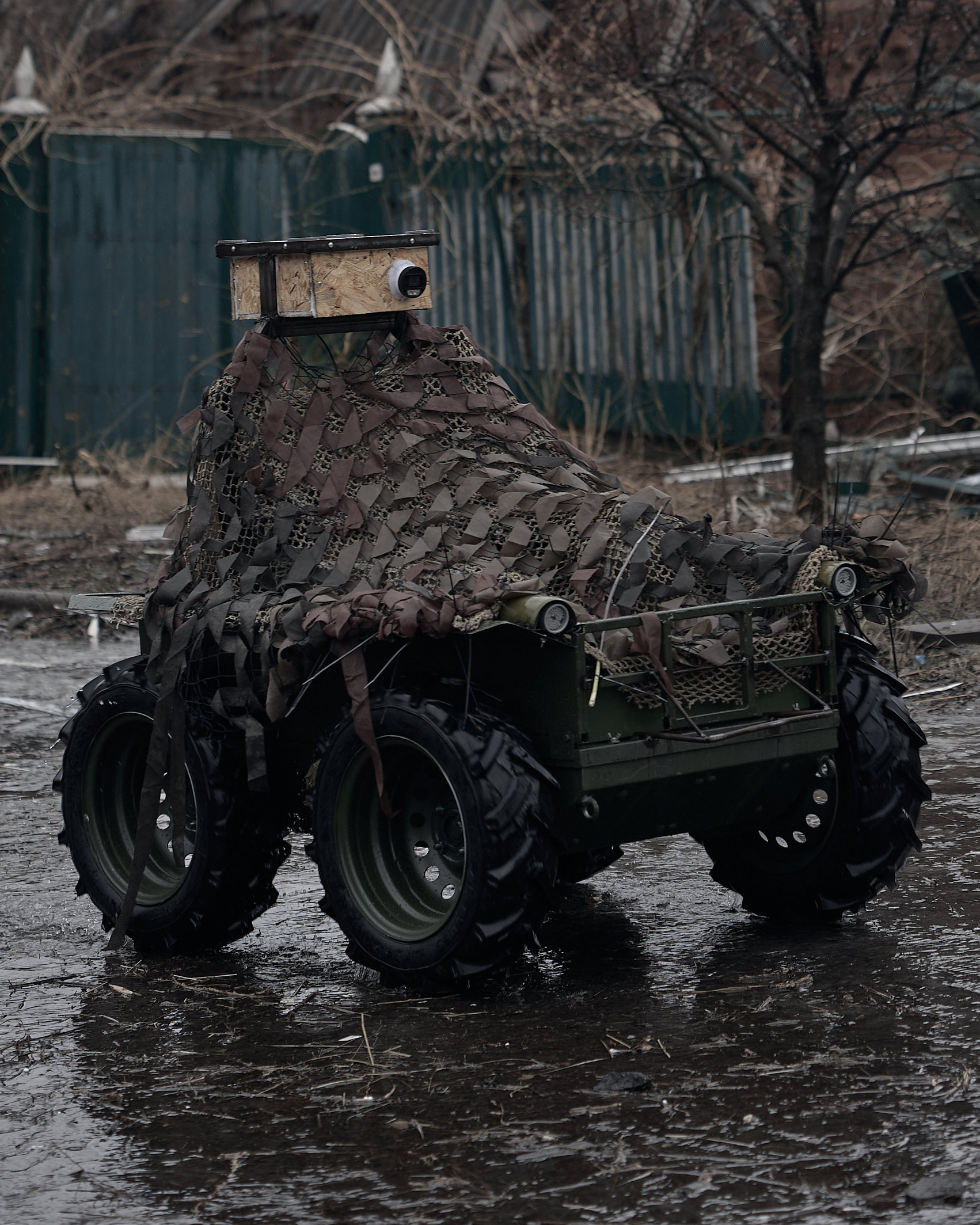
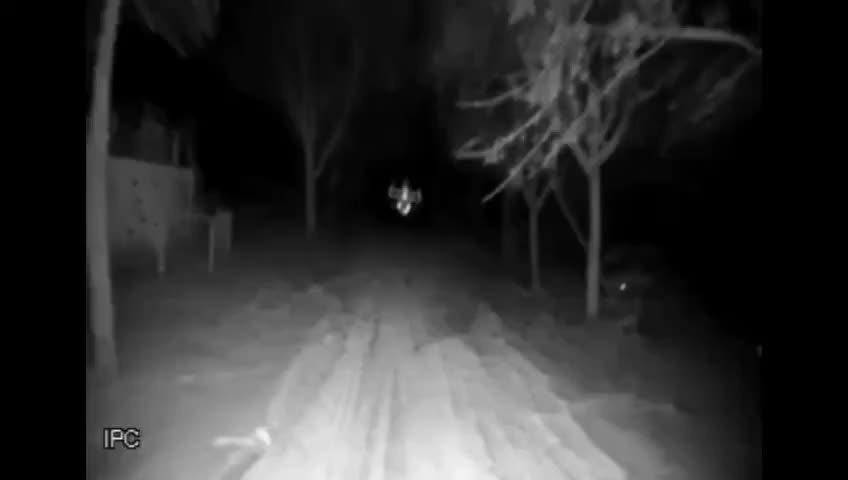
In some cases, a UGV is the only viable means of evacuation, Rybakova said. When a wounded soldier cannot move independently, a ground robot may be sent forward to extract him — undertaking a task once performed by stretcher-bearers or armoured ambulances.
Meanwhile, self-propelled artillery, once mobile by definition, now operates largely from fixed, camouflaged and partially buried positions.
All artillery units and tank crews include dedicated anti-drone mobile fire groups. Countering small UAVs has become a critical function of almost every formation.
A dystopian future
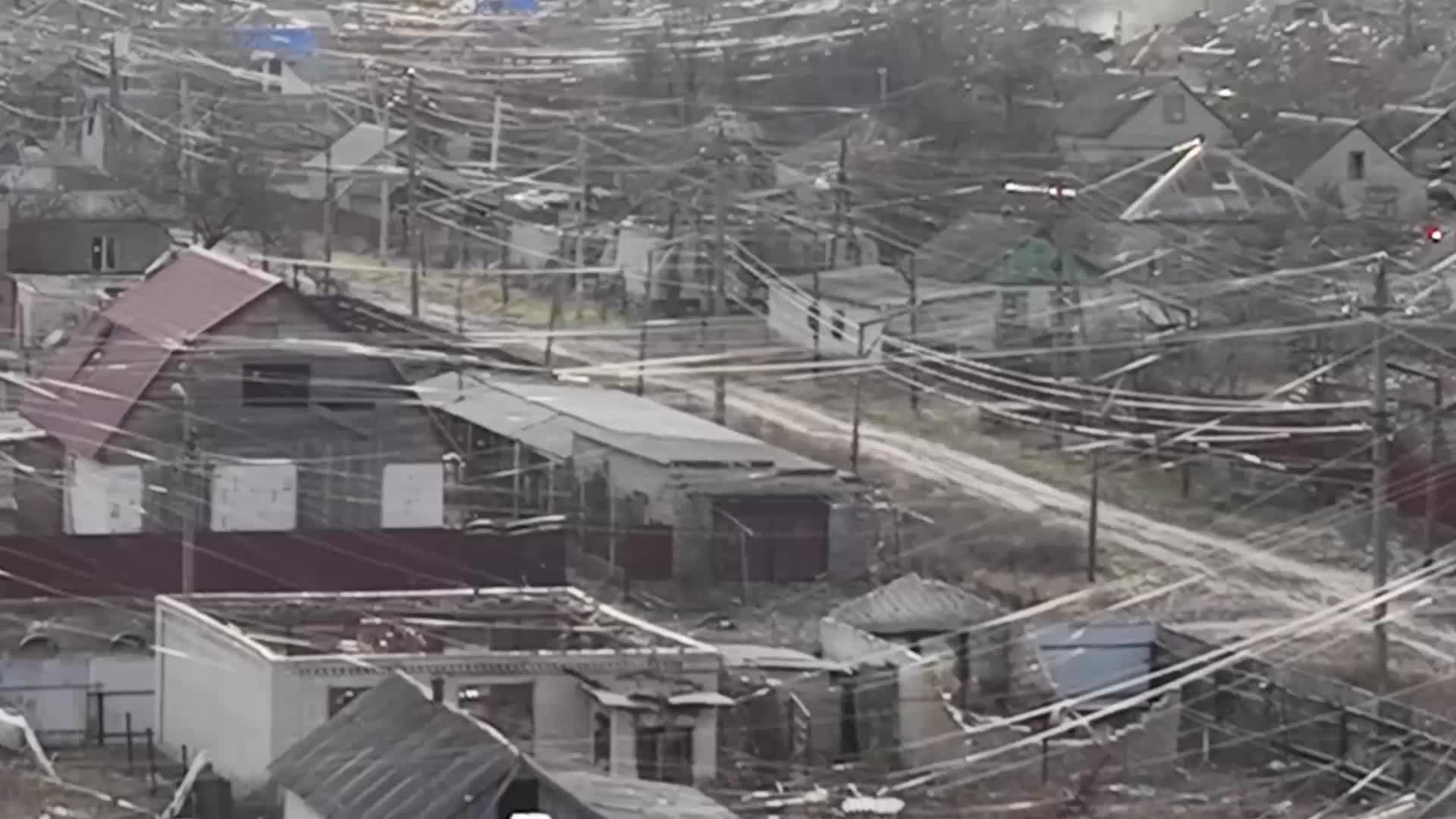
Kherson, the southern Ukrainian city battered by relentless Russian shelling and drone attacks, has become a testing ground for how cities might survive modern warfare.
Oleksandr Prokudin, governor of the Kherson region, describes the approach bluntly: “We are building a drone dome.”
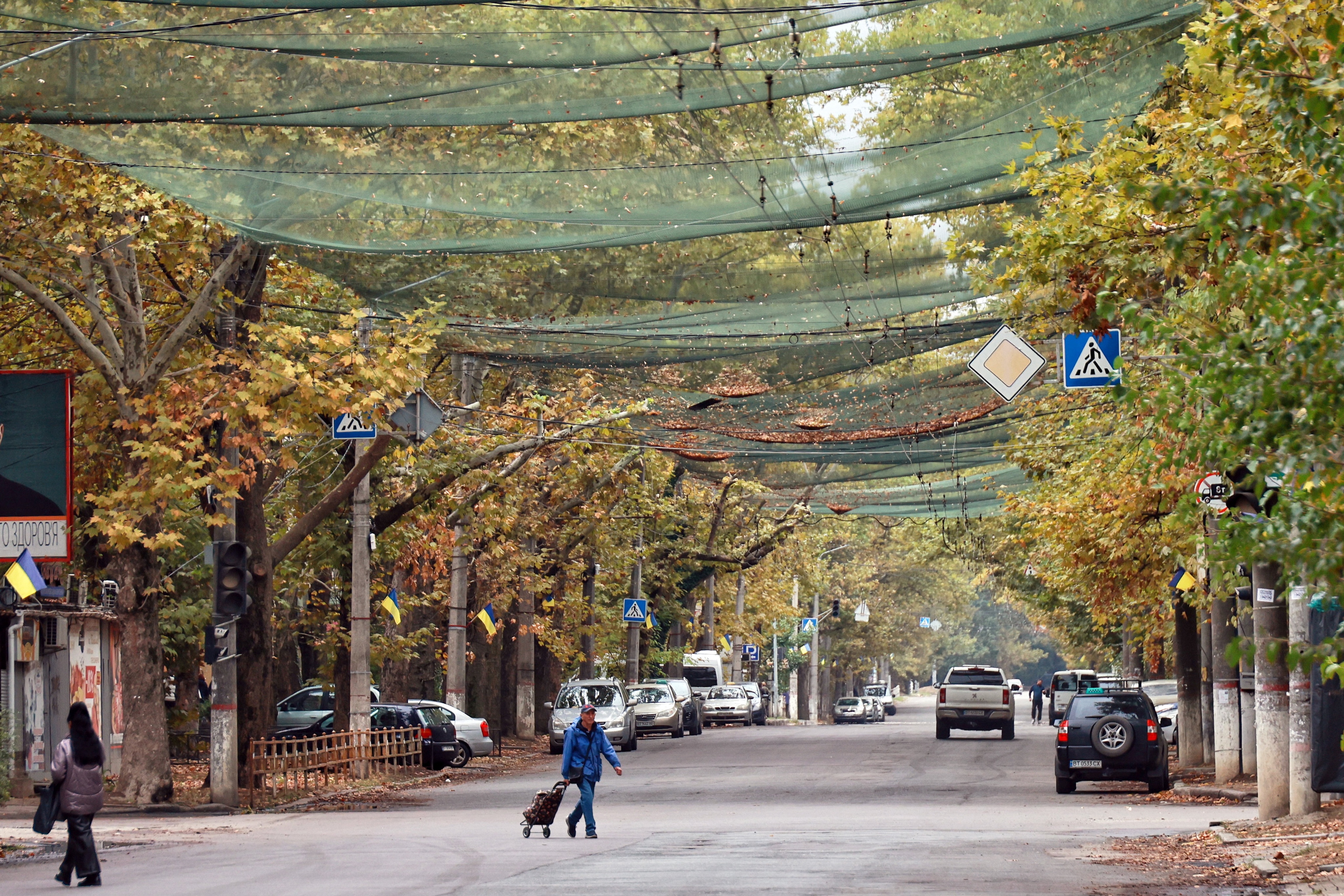
Suspended above roads, hospitals and critical infrastructure, layers of netting criss-cross parts of the city so densely that in some districts the sky is barely visible.
Combined with electronic warfare systems, sensors and civilian response teams trained using shotguns, the measures have helped Kherson sharply reduce the impact of Russian drone attacks even as the Kremlin deploys more sophisticated weapons.
Prokudin said about 95 per cent of incoming drones are now intercepted by the layered systems his regional military administration has installed.
Kherson has paid heavily for its brief capture. Seized by Russian forces in March 2022 — the only regional capital to fall — and annexed on paper that September, it was retaken by Ukrainian troops in November. But with Russian units entrenched across the Dnipro River and much of the wider region still occupied, liberation brought little relief.
Rockets, artillery and FPV drones now strike daily, in what residents call a “human safari”. A UN commission last May said the campaign amounted to crimes against humanity. In 2025 alone the region was shelled 235,000 times, with nearly 100,000 recorded drone attacks. More than 40,000 buildings have been destroyed and at least 307 people killed. Only about 145,000 residents remain in government-controlled areas, roughly 60,000 in the city.
At the centre of Kherson’s defence are fishing nets. About 100 net “tunnels” now cover roads and access routes, while 14 medical facilities and other critical infrastructure are shielded with overhead mesh.
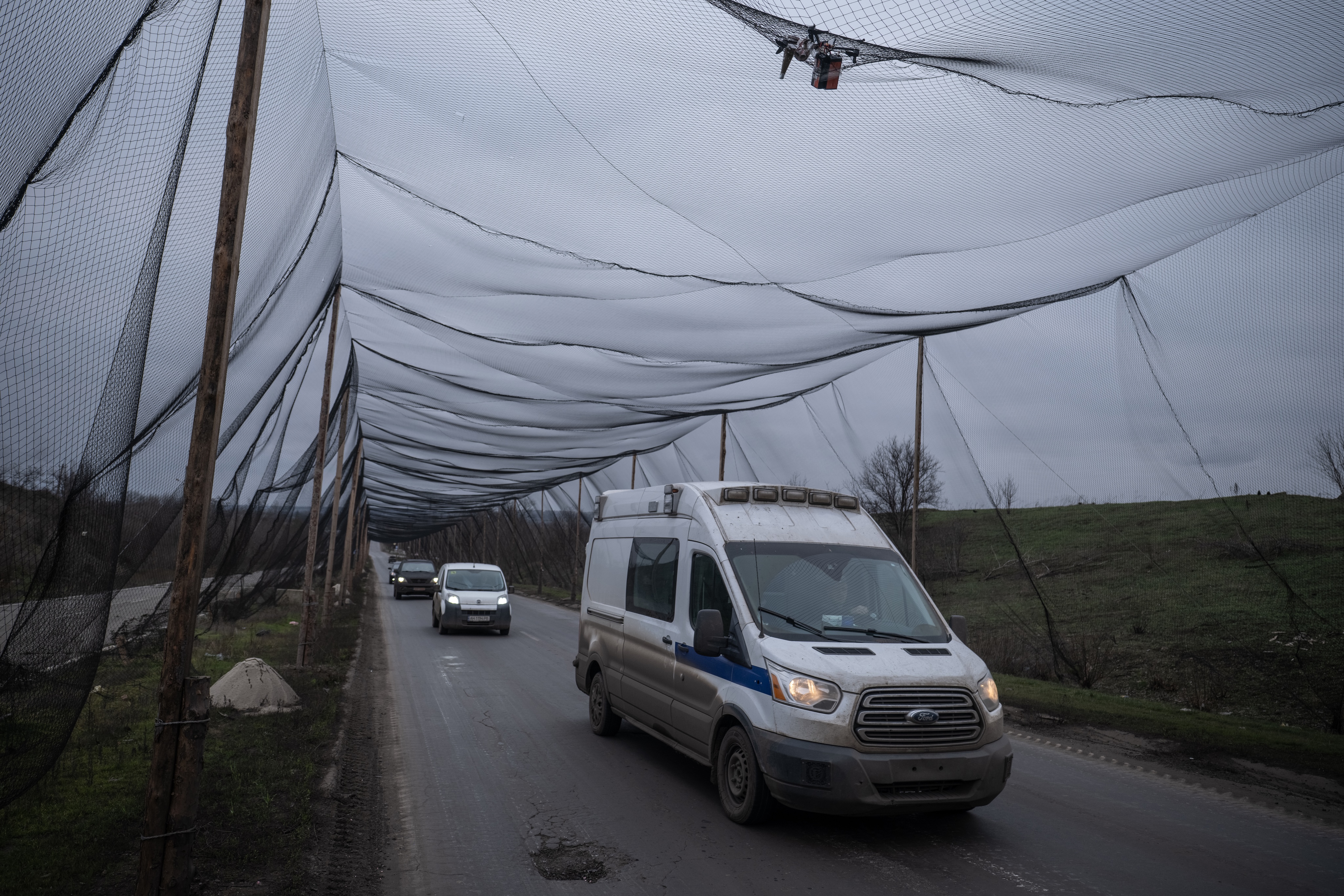
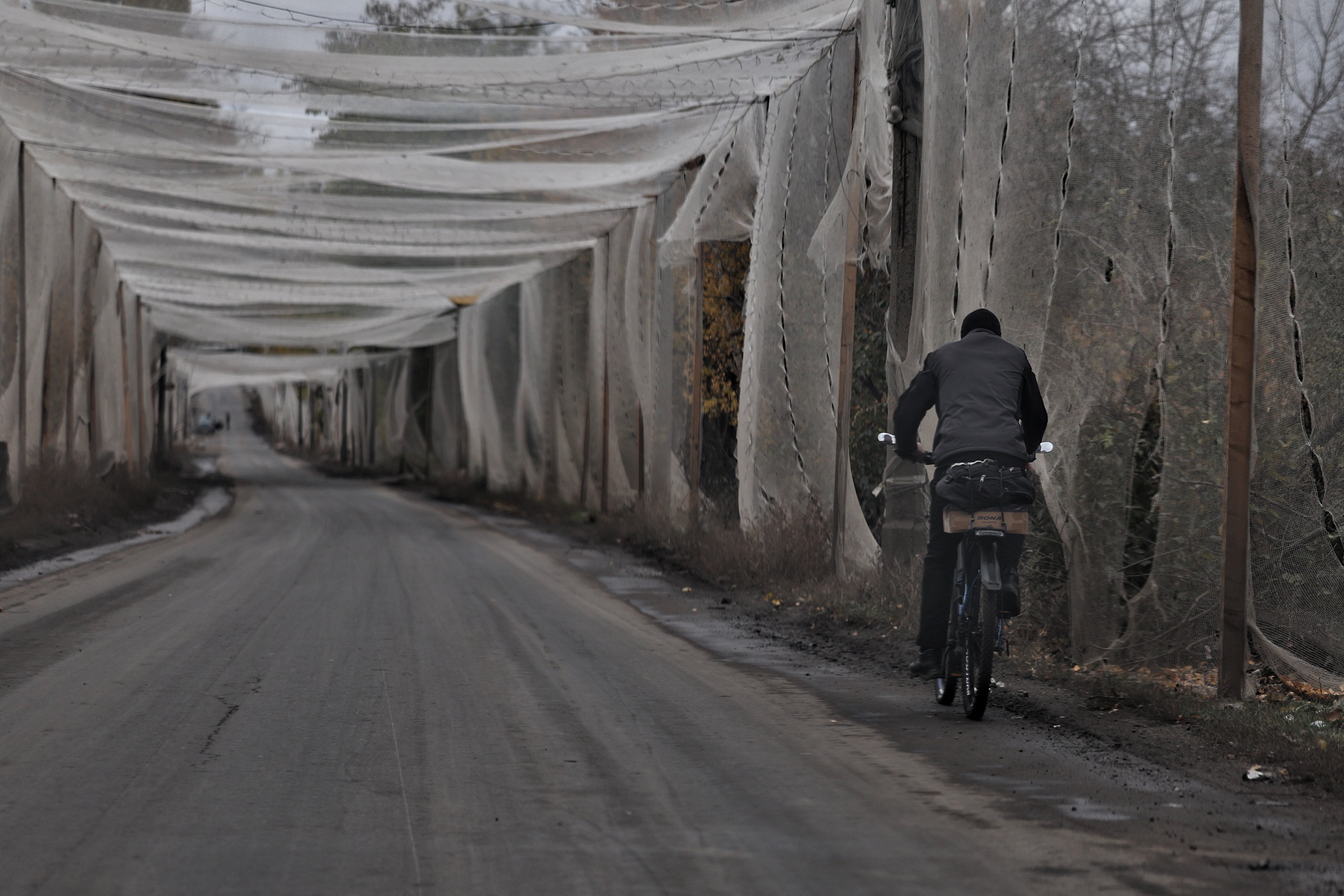
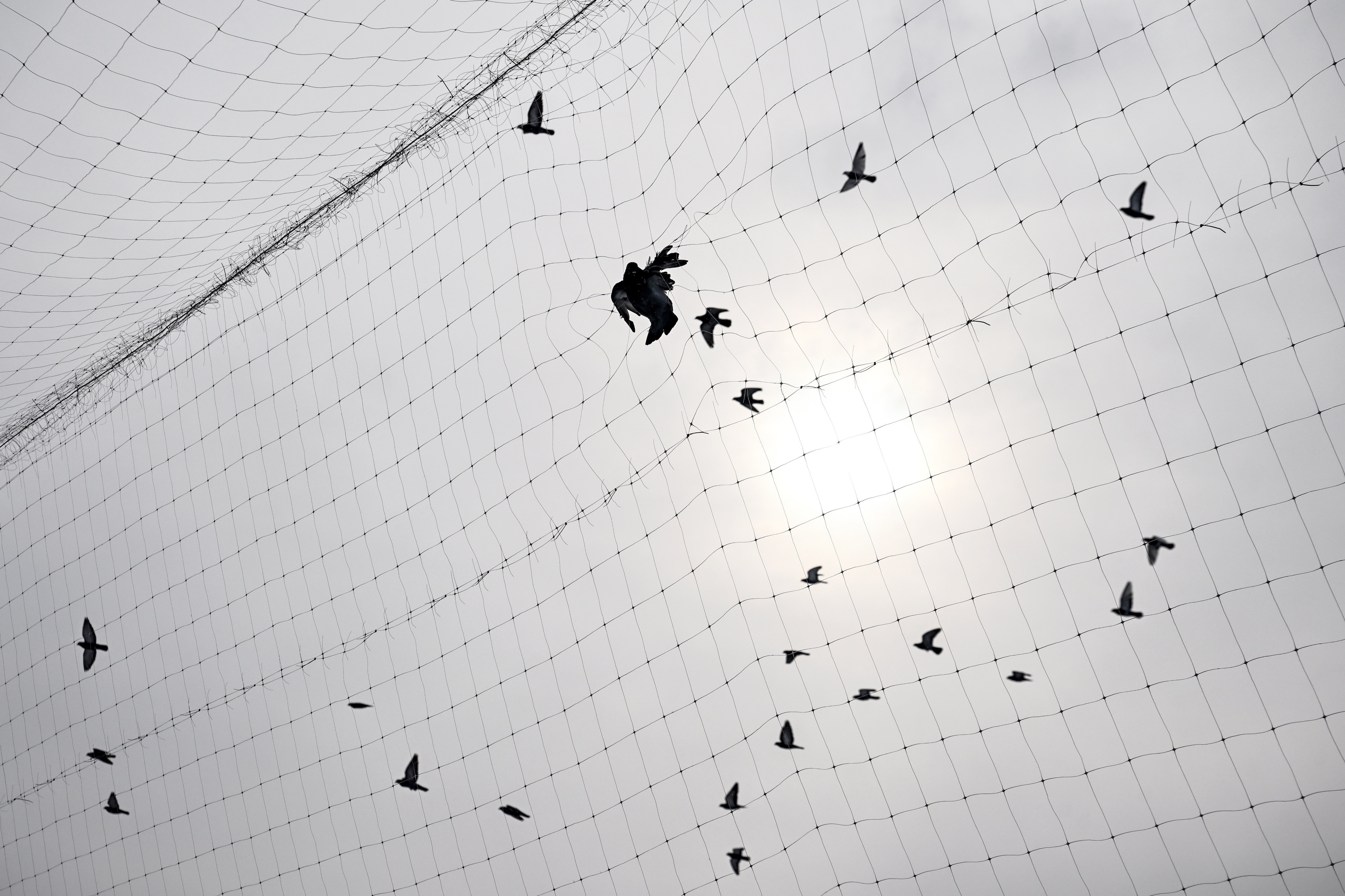
Three types of netting, with mesh sizes ranging from 25mm to 150mm, are layered to disrupt different drones and the bombs they carry. Polypropylene and trawling nets had proved most effective, Prokudin said. They are frozen, burned and stress-tested at a military training centre. “Some drones go through like a knife through butter,” he said. “Others don’t.”
Kherson’s defences have been built with limited resources. The region has the smallest annual budget in Ukraine, largely because only 30 per cent of its territory is under government control. The regional budget in 2026 is about $46mn: about 43 per cent is earmarked for fortifications and protective measures such as netting.
French-supplied nets are being used to protect hospitals from Russian drone bombers, while Spanish nets have proven the most effective overall. In some areas, such as the district near the Antonovsky bridge, which comes under daily fire, the netting coverage is almost total. Russian drones now attempt to enter by flying low along the road and following the bridge’s path.
Kherson is now sharing its experience with partners in Germany, Sweden, Estonia, Latvia, Lithuania and Romania, Prokudin said. Norway is also interested.
“We are the future for other frontline cities,” Prokudin said. “Kherson is now the model for defending against modern warfare.”
Additional reporting by Ben Hall in London and Fabrice Deprez in Kyiv. Illustrations by Ian Bott and Irene de la Torre Arenas
Disclaimer : This story is auto aggregated by a computer programme and has not been created or edited by DOWNTHENEWS. Publisher: ft.com