
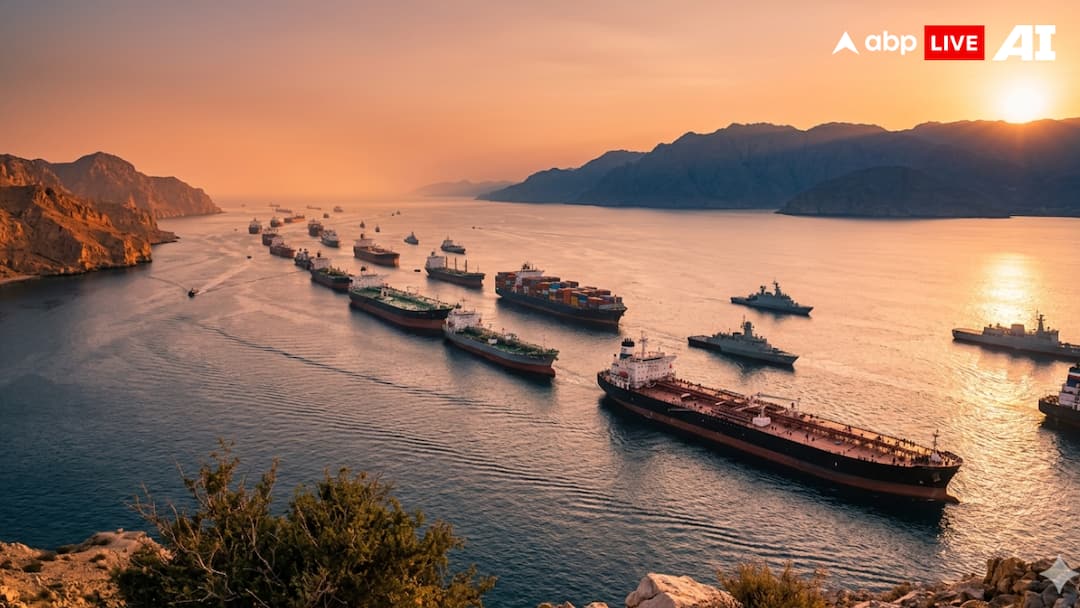
After weeks of disruption in one of the world’s most critical energy corridors, Iran has signalled a partial shift in stance on the Strait of Hormuz, but with strict conditions attached.
The development comes at a time when global markets remain on edge, with oil prices volatile and supply chains under pressure due to the ongoing conflict in West Asia.
Iran Sets Conditions For Passage
According to a Bloomberg report, Iran has outlined fresh terms under which foreign vessels can transit through the Strait of Hormuz. In a letter circulated to the International Maritime Organisation (IMO) on Tuesday, Tehran said that non-hostile ships would be allowed safe passage, but only if they comply with Iranian security regulations.
The communication further stated that ships must not support any acts of aggression against Iran. Countries seeking passage would need to coordinate with Iranian authorities to ensure compliance.
The original letter, dated March 22, was confirmed by the IMO.
Fees, Restrictions And A Strategic Signal
Beyond regulatory conditions, Iran has also begun charging transit fees on select commercial vessels navigating the strait, the report noted.
Shipping activity remains limited, with the few vessels that have passed through reportedly staying close to the Iranian coastline. This reflects both operational caution and the evolving control Iran is asserting over the waterway.
The move marks a shift from earlier rhetoric by Supreme Leader Mojtaba Khamenei, who had called for a complete closure of the strait. While the latest stance is less absolute, it reinforces Iran’s claim of sovereignty over a route that remains central to global trade.
Why The Strait Of Hormuz Matters
The Strait of Hormuz is not just another maritime route; it is one of the most important chokepoints in the global economy.
Roughly a fifth of the world’s oil and gas shipments pass through this narrow corridor every day. In addition to energy, it also handles key shipments of food, metals and industrial materials.
The near-total disruption over the past few weeks has already triggered sharp movements in commodity markets, including a surge in crude oil prices and heightened fears of fuel shortages across parts of Asia.
Impact On Oil Prices And Global Markets
The uncertainty surrounding the strait has kept commodities traders on high alert. Oil prices have reacted sharply to developments in the region, with escalation fears pushing futures higher.
At the same time, any credible sign of reopening, even partial, could lead to a rapid correction in prices, as supply concerns begin to ease.
However, Iran’s latest position suggests that stability in the strait is still contingent on broader geopolitical developments. The country has indicated that a full return to normalcy would depend on the cessation of military threats in the region.
For now, while the door to transit is not fully closed, it is far from open.
With conditions, fees and security oversight now part of the equation, global shipping and energy markets remain in a wait-and-watch mode, closely tracking every signal from the region.
Related Video
BREAKING NOW: Indore fire tragedy as EV short circuit triggers deadly explosions
Disclaimer : This story is auto aggregated by a computer programme and has not been created or edited by DOWNTHENEWS. Publisher: abplive.com



