
KYOTO, Mar 29 (News On Japan) –
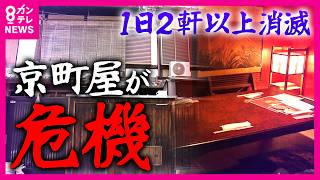
Kyoto’s traditional wooden townhouses, known as machiya, are disappearing at a pace of roughly two per day, prompting the city to allocate an unprecedented 460 million yen in its newly approved fiscal 2026 budget on March 24th in a bid to preserve the historic streetscape that has long defined the ancient capital.
[embedded content]
The Kyoto City Assembly approved the new budget with a significant increase in funding—more than five times the previous year’s level—specifically earmarked for the conservation of machiya, which are wooden structures built before 1950 and range from culturally significant properties to ordinary residences that reflect everyday life in earlier eras.
These buildings, characterized by features such as inner courtyards that allow soft natural light and ventilation through open spaces known as hibukuro, have become popular among tourists seeking to experience traditional Japanese living. However, many are aging rapidly, and a growing number have been left vacant for years due to deterioration and the high cost of maintenance.
According to Kyoto City, constructing new machiya-style buildings has become extremely difficult under current regulations, which require fireproof materials and modern fittings such as aluminum window frames, making traditional wooden construction increasingly impractical.
As a result, the number of machiya continues to decline, with estimates suggesting that approximately two are lost each day. Behind this trend are multiple challenges faced by property owners, including inheritance issues that prevent sales, rising land prices, and the burden of fixed asset taxes, which often make redevelopment into apartment buildings or commercial facilities a more financially viable option.
Experts warn that even historically rich districts are beginning to lose their defining character. In areas such as Gojo Rakuen, once lined with machiya that supported vibrant nightlife and cultural activity since the early 18th century, the disappearance of these structures raises fundamental questions about what defines Kyoto.
Efforts to preserve machiya are increasingly focusing on adaptive reuse. In one example, a building originally constructed in the early Showa era as a traditional teahouse has been renovated into a soba restaurant while retaining as many original materials as possible, offering visitors an authentic atmosphere alongside modern functionality.
Kyoto City plans to use the expanded budget primarily to subsidize such renovation projects, recognizing that preserving the appeal of machiya often depends on integrating them into viable business models. Some renovated properties are now being sold for as much as 89.8 million yen, with more than half of buyers reportedly coming from overseas, driven by strong inbound tourism demand.
While foreign interest has helped sustain the market, experts caution that reliance on inbound demand alone will not be sufficient to ensure long-term preservation. Instead, they emphasize the need to create economic incentives that allow owners to profit while maintaining traditional structures.
As Kyoto grapples with balancing preservation and modernization, the future of its iconic streetscape may ultimately depend on how residents and policymakers value tradition in the face of economic realities, with growing calls for stronger national-level support to treat machiya as a cultural asset worthy of sustained investment.
Source: KTV NEWS
Disclaimer : This story is auto aggregated by a computer programme and has not been created or edited by DOWNTHENEWS. Publisher: newsonjapan.com


