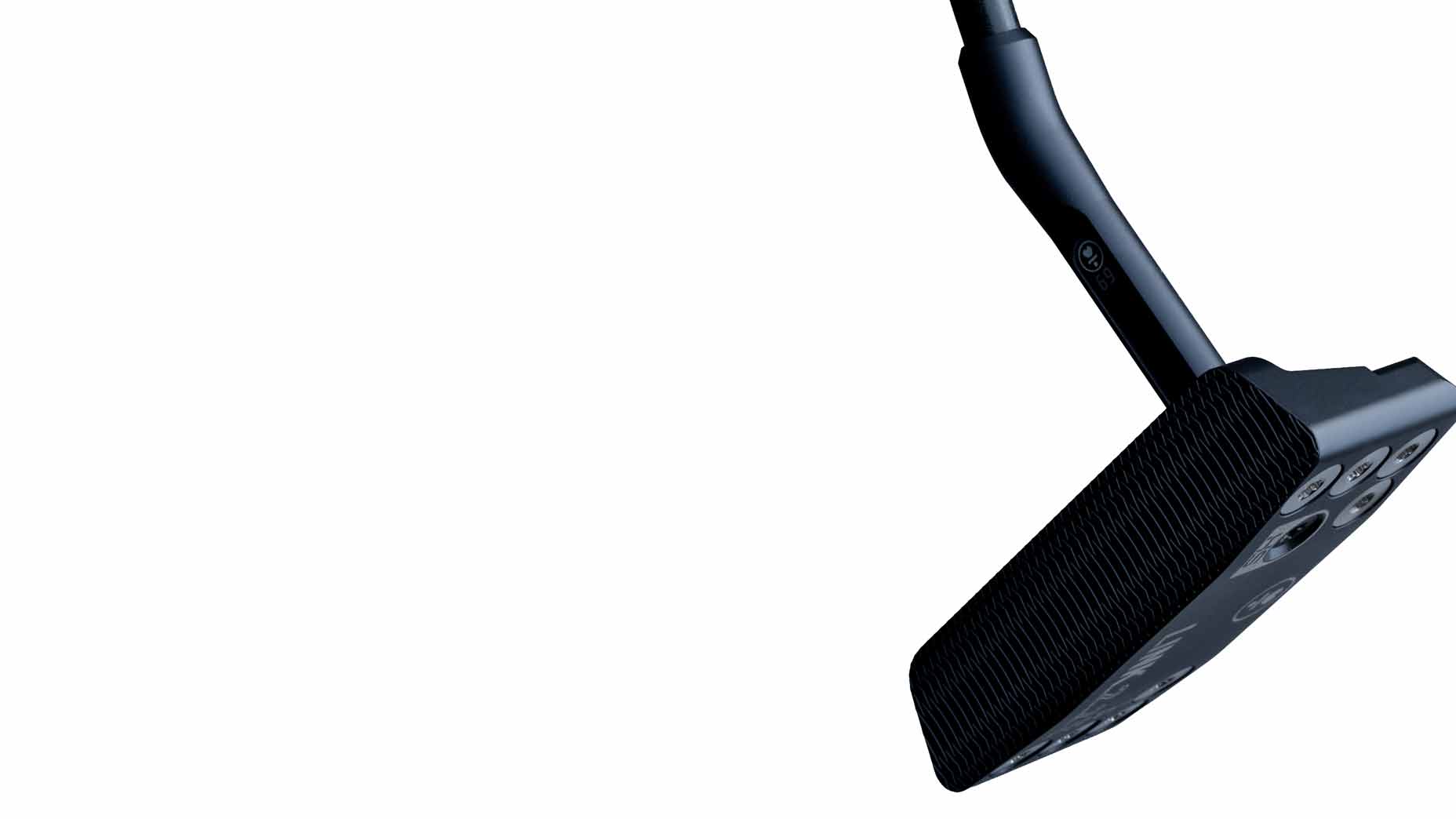
L.A.B. Golf has removed another barrier to its Lie Angle Balance putters.
With the company’s new LINK 2.1 and LINK 2.2 HS blade putters, players who have clamored for a traditional Anser-style blade without a center shaft have finally got their wish. The new models are the most traditional-looking options to date and introduce a new flymilled steel face.
“There are a lot of people who are just more comfortable with a blade,” L.A.B. Golf founder Sam Hahn told GOLF. “And the conversation in the industry has people questioning whether they should still be in one. When you add Lie Angle Balanced technology to it, you don’t have to get off a blade. It’s just so much easier to use and is a little more forgiving than traditional blades. Because of the way we balance the putters, you don’t have to make that sacrifice anymore.”
The new LINK putters will join the existing center-shafted LINK 1.1 as L.A.B.’s three blade options in the lineup.
Keep reading below for more on the L.A.B. Golf LINK 2.1 and 2.2 HS putters, including my take on the release.
What’s actually new — and why you should care
Removing the barriers to entry
While L.A.B.’s Lie Angle Balance has inspired many other “zero torque” and low torque putter options on the market in the last few years, most have come with signicant caveats for traditionalists. They’ve almost always been center-shafted designs with onset and they’ve almost always been oversized mallet options.
For many golfers, one of those ends up being a non-starter. Two makes them afterthoughts.
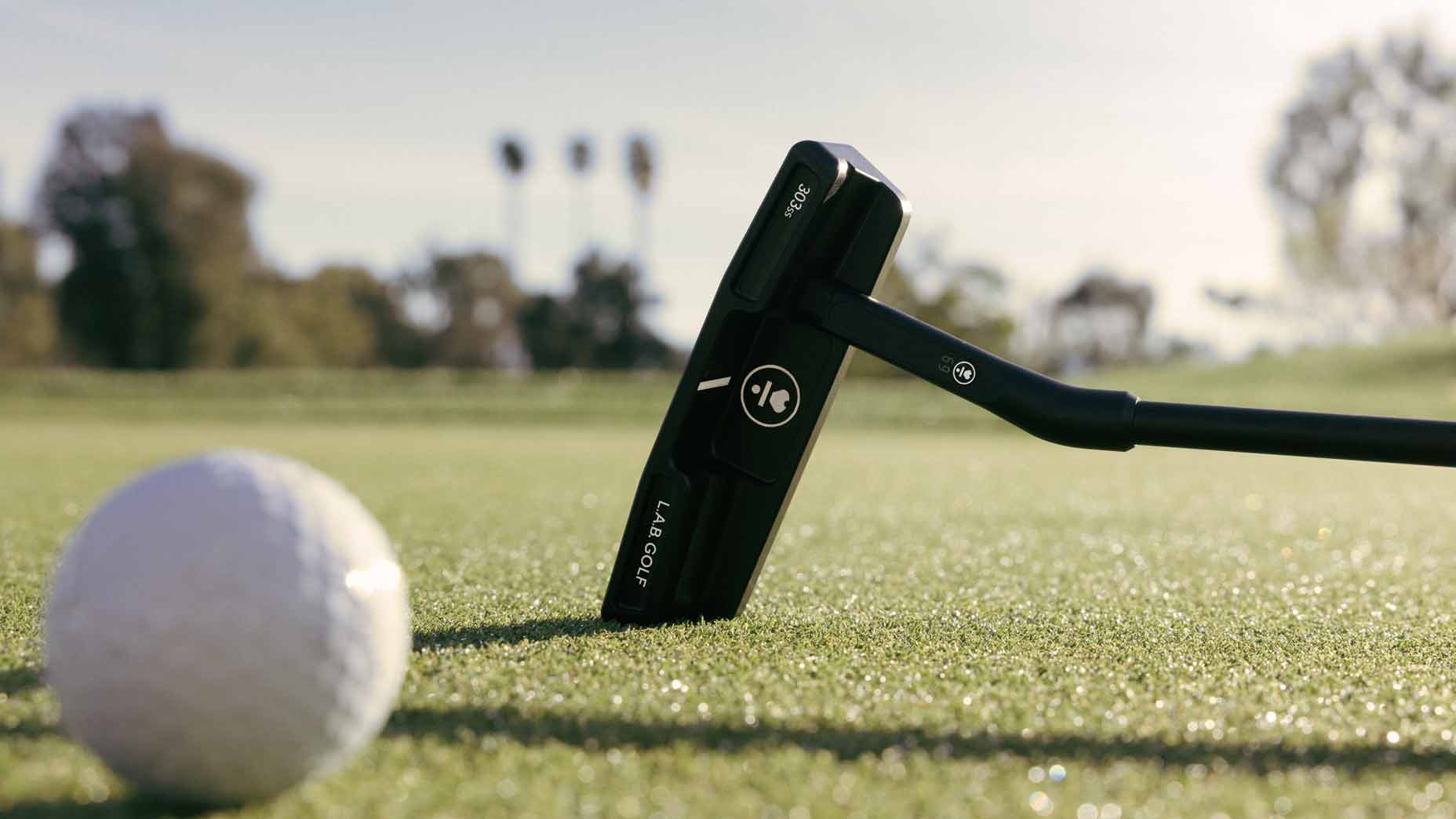
The LINK 2.1 is the closest L.A.B. has come to an Anser-style blade.
L.A.B. Golf
L.A.B. introduced its first non-center-shafted design last summer with the OZ.1i HS, but now they’re offering the heel-shafted riser technology in a blade for the first time.
“The goal over the last 24 months has been to eliminate as many barriers to entry as possible,” Hahn said. “If there’s an opportunity to have a chassis that makes it easier for your curiosity to get the better of you, we’re all for it.”
While Hahn stated the goal with every putter L.A.B. designs is first and foremost to make sure it balances and swings the way they want it to, they wanted to make sure the new LINK putters looked familiar to the player.
If it looks familiar, a golfer will be more likely to try it.
Making blades more forgiving
Mallets vs. blades has hit a fever pitch this season, with just five of the world’s top 25 players still using a blade, and no one on the PGA Tour has won with a blade since July.
With all the oversized and unconventional shapes used for L.A.B. putters and other low-torque designs, L.A.B. would figure to be one of the chief engines of that movement.
But somewhat surprisingly, Hahn proclaimed, “The blade is most certainly not dead.” He said many players still want to use a blade and they can gain the forgiveness of a mallet while still retaining the blade shape thanks to the Lie Angle Balance technology.
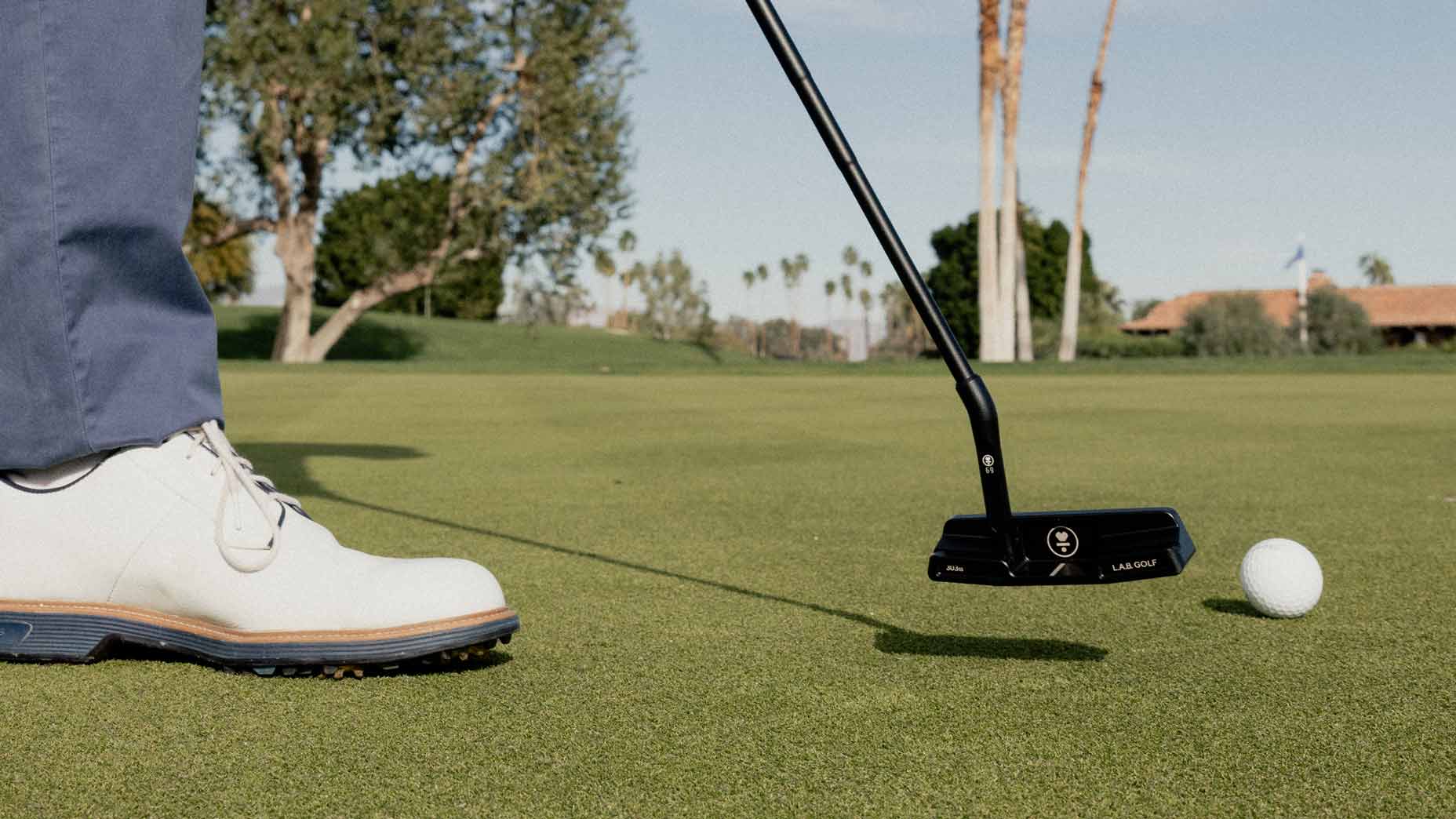
Many players are more comfortable looking at a blade.
L.A.B. Golf
The visual of a blade is just simply comforting to many players, especially those who refuse to try a L.A.B. Hahn himself was skeptical of blades, but he found the new LINKs to be very easy to align.
“I’ve got a ton of confidence over eight-foot putts, and there’s no better attribute to a putter than one that makes you feel comfortable and confident standing over it,” Hahn said. “I think that’s the case for a lot of people. There are a lot of people out there who are just more comfortable with a blade.”
Tuning the feel
L.A.B. putters are designed with stroke dynamics first, which, with the use of the aluminum riser hosel, presented a unique challenge with the feel.
Because the putter is constructed with a 303 stainless steel body and an aluminum riser, it wouldn’t feel the same as a traditional single-piece steel putter.
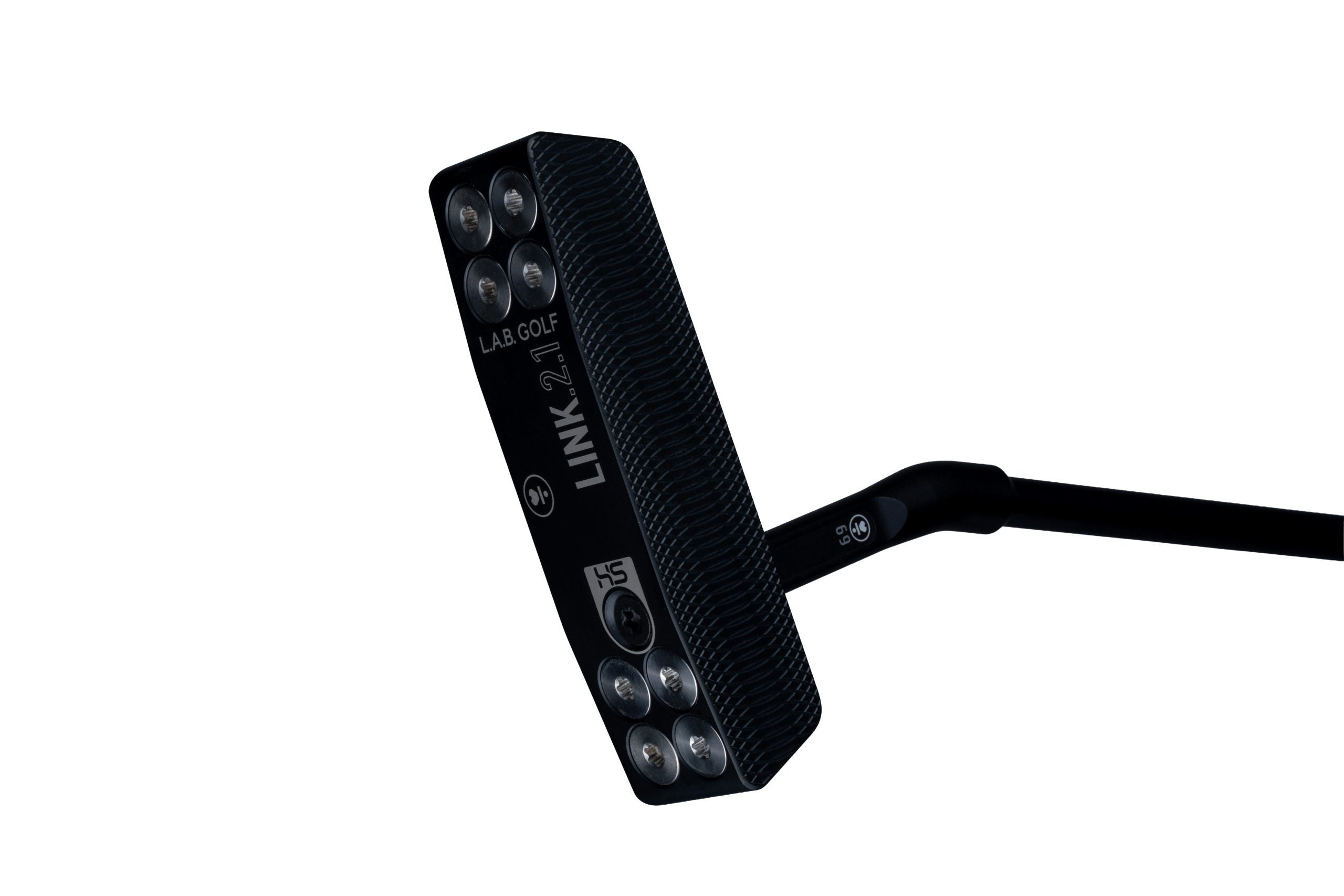
The new LINK putters have a new flymill face.
L.A.B.
To get the putters to feel as traditional as possible, L.A.B. went with a new flymill steel face as opposed to the grooves or aluminum flymill insert of their previous putters.
“Our No. 1 priority is getting the putter to swing in a particular way. And once we’ve achieved that, then we back into a feel,” Hahn said. “Aluminum doesn’t have the same response characteristics that stainless does. And with the way our putters are constructed, that connection piece can create a very different feel than if it was just a one-piece putter. So we experimented with a bunch of different face configurations to get it as close as we could to feeling like a one-piece stainless putter.”
The L.A.B Golf LINK 2.1 and 2.2 lineup
LINK 2.1
L.A.B. Golf LINK 2.1.
L.A.B. Golf
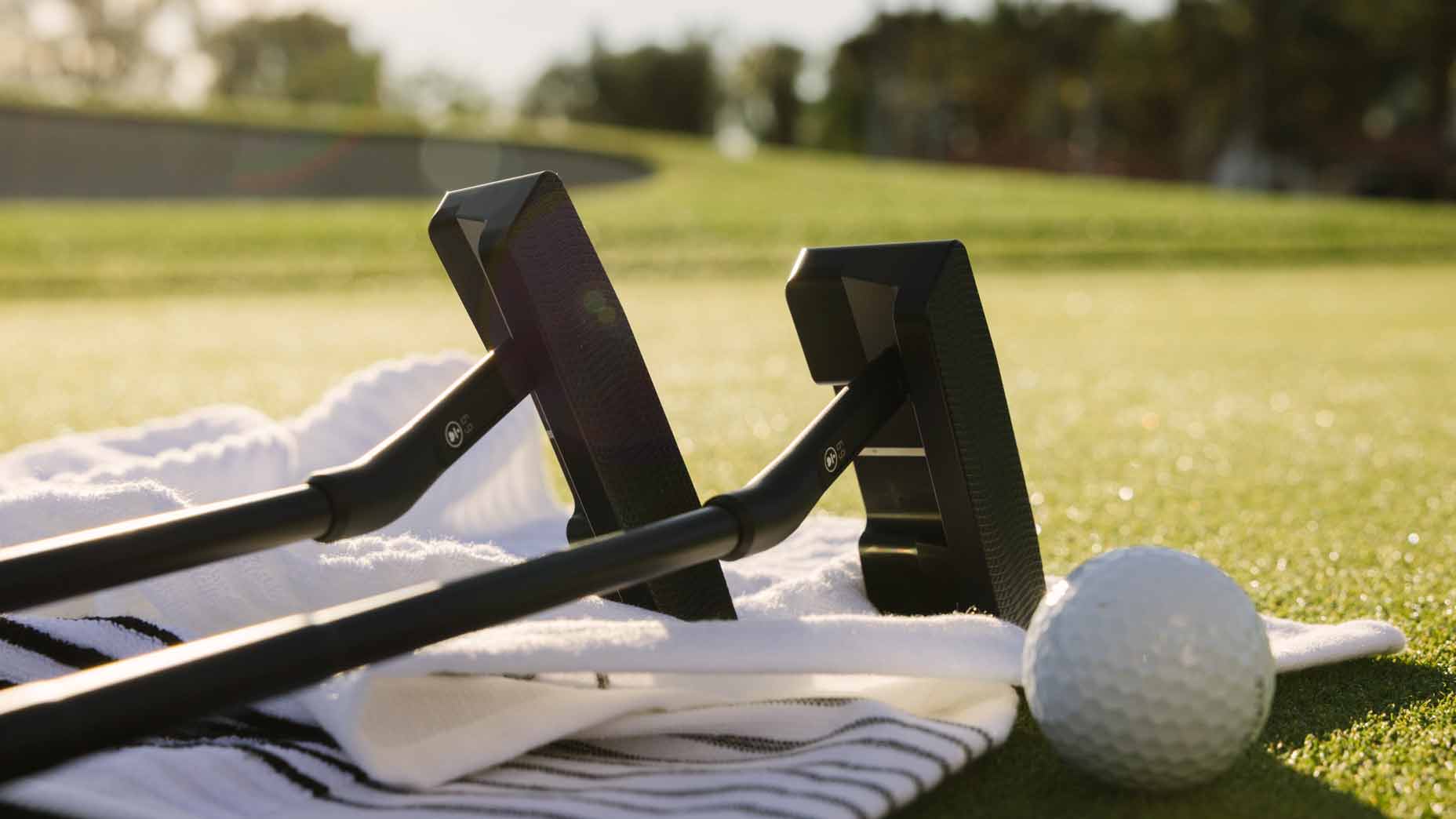
What is it: A compact, narrow modern heel-toe blade, the closest L.A.B. has ever come to making an Anser-style blade. The LINK 2.1 has a symmetrical and very angular shape.
Who it’s for: Players who have wanted to try Lie Angle Balance or other low-torque putters but wanted a more classic and smaller profile shape.
LINK 2.2
L.A.B. Golf LINK 2.2.
L.A.B. Golf
What is it: A shorter and more square-shaped wide-body blade for added stability and forgiveness.
Who it’s for: Players who want a more traditional shape with added stability and a longer alignment aid.
My take: L.A.B. injects some much-needed juice to blades
I wouldn’t be shocked if the new LINK 2.1 and 2.2 putters end up being the best-selling blade models of this year.
All this talk on how blades are dying and no one should be playing a blade, and yet, people still want them because they’re easier to look at for most.
What L.A.B. is doing here is taking their very own Lie Angle Balance technology, pairing it with their new riser hosel and putting it in a package that looks familar to many players.
If there was still the barrier of a mallet, which is still a non-starter to many players, that is now gone for a player to try a L.A.B. putter.
It still doesn’t change the fact that Lie Angle Balance and low-torque putters aren’t for every player. Players with high arc aren’t magically now going to be able to find a fit with a LINK 2.1 or 2.2 because they are offered in a blade shape or have a heel shaft.
But for the players with minimal stroke arc, like yours truly, this is going to offer a very familiar shape that many have used for a long time.
For me, I’ve tried some of the larger shapes as I’ve gone on a low-torque journey, but I keep looking for the smallest option I can find because that’s simply what I’m comfortable with. A putter should fit you, not you fit the putter.
The new LINKs now give two options that look familiar in a configuration that will match my stroke and take my hands out of the stroke.
For initial testing, I opted for a 2.2, which I thought would be most similar to the wide-body blades I had been most recently putting with. But one thing to keep in mind, as Hahn told me, the 2.2 is a touch firmer than the 2.1 because of the different shape.
While feel isn’t the main goal, it’s still a priority for me for speed control, so I am anxious to get my hands on a 2.1 and see if it truly can be my putter for the upcoming season.
Price, Specs and Availability
L.A.B. Golf’s new LINK 2.1 and 2.2 HS putters are available for order on labgolf.com starting March 17 and will be available at authorized retailers on April 23.
The stock model costs $499, while custom versions start at $599.