
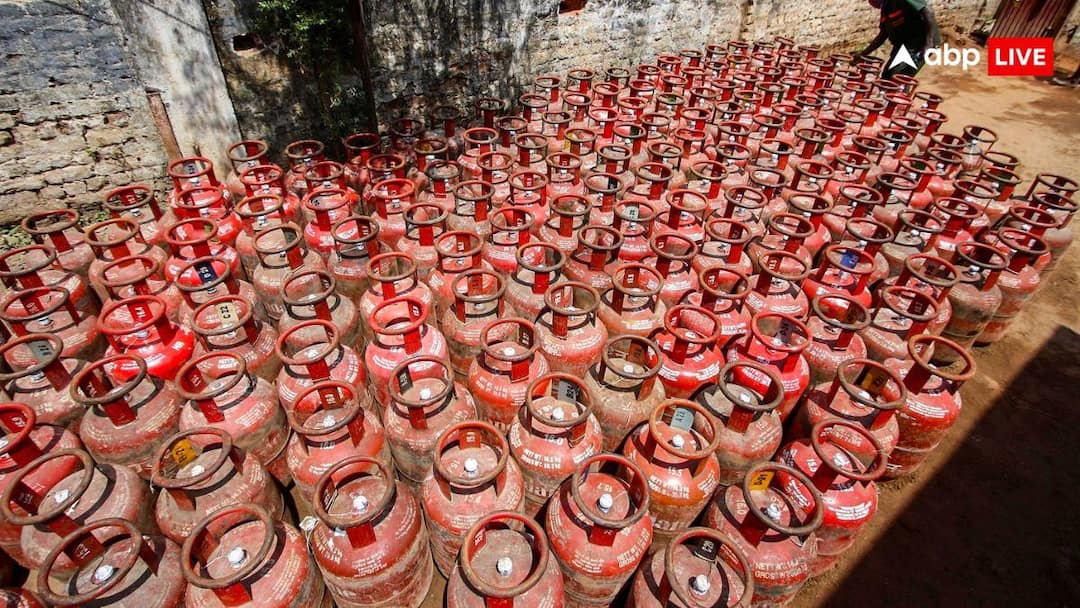
The shutdown of the Strait of Hormuz following the Israel-US and Iran conflict has disrupted the supply of LPG and natural gas, raising concerns over availability.
In view of the situation, India’s Petroleum Ministry has released a priority framework for the allocation of natural gas. The plan clarifies which sectors will be supplied first if gas availability declines.
Household and essential sectors protected
According to the government, domestic consumers and critical services will continue to receive full supply. These sectors have been placed in the highest priority category and will get 100 per cent allocation even if shortages arise.
The sectors protected from any cuts include:
Piped Natural Gas (PNG) for households: Gas delivered through pipelines directly to homes and used mainly for cooking.
Compressed Natural Gas (CNG): Fuel used by cars, auto‑rickshaws and public transport vehicles.
LPG production: Natural gas used in the manufacturing of domestic cooking gas cylinders.
Fuel used for pipeline operations: Gas required to run the pipeline network that transports natural gas.
These services are closely connected with everyday household needs and public mobility. To avoid disruption in cooking fuel and transport, the government has ensured that PNG and CNG supplies remain fully protected.
Industries to receive reduced gas allocation
Industrial sectors will face lower gas supply if the shortage deepens. The government plans to distribute gas to these sectors based on their recent consumption patterns. Companies will receive only a certain proportion of the gas they have used on average in recent months.
The allocation plan includes:
Tea industry and other manufacturing units: 80 per cent of their average consumption over the last six months.
Fertiliser producers: 70 per cent allocation.
Oil refineries: 65 per cent allocation.
Industry bodies have already raised concerns about the impact of reduced commercial gas supply. The hotel industry has warned that hotels in cities such as Bengaluru could face closures if commercial LPG shortages continue.
The government has indicated that protecting household consumption remains its top priority. As a result, domestic and essential sectors will receive preference in gas distribution. Authorities said the situation is under constant review and further steps may be taken if required.
Reason behind the government’s decision
The move comes as India relies heavily on imported LPG. A large share of these imports arrives from the Middle East through the Strait of Hormuz. The ongoing conflict has disrupted these routes, affecting supplies of commercial LPG used by hotels and restaurants.
To protect domestic cooking gas availability, the government has instructed refineries to increase production. It has also extended the interval between bookings of domestic LPG cylinders from 21 days to 25 days in order to conserve stocks.
The Petroleum Ministry said current LPG reserves in the country are sufficient for about 40 days. At the same time, efforts are underway to increase imports from alternative suppliers such as the US and Australia.
However, if the supply crisis continues for a longer period, several industries could face operational challenges. This may lead to lower production in tea plantations and disruptions in fertiliser manufacturing.
Related Video
Breaking News: India Budget 2026-27 Sparks Market Volatility, Long-Term Reforms Highlighted
Disclaimer : This story is auto aggregated by a computer programme and has not been created or edited by DOWNTHENEWS. Publisher: abplive.com





