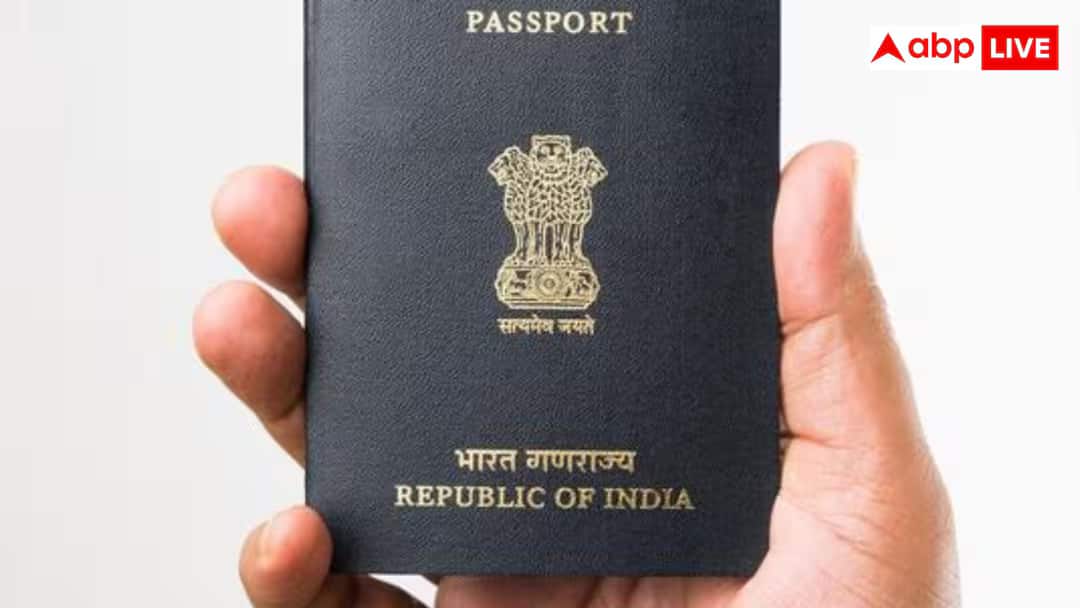
The Government of India has announced a comprehensive overhaul of passport regulations set to take effect after February 15 2026, aimed at simplifying procedures, strengthening security checks and accelerating service delivery nationwide. The revised framework seeks to reduce paperwork, digitise verification systems and minimise delays that have long frustrated applicants. Officials say the changes are designed to curb fraud while ensuring faster processing. Citizens planning to apply for or renew passports have been advised to understand the updated requirements in advance to avoid rejection or disruption.
Documents & Verification
Under the revised 2026 framework, documentation norms have been streamlined to reduce duplication and physical submissions. The key changes include:
- Aadhaar and other government-issued identification documents prioritised as primary proof of identity and address.
- Digitised document submission to minimise in-person visits to Passport Seva Kendras.
- Reduced list of supporting certificates to simplify compliance.
- Strict rejection of incomplete or inaccurately uploaded applications.
A major reform concerns police verification, historically one of the slowest stages in passport issuance. The updated system introduces digital coordination between departments, enabling:
- Faster background checks, often completed within days rather than weeks.
- Greater use of online data-sharing between authorities.
- Post-issue police verification in select cases, allowing passports to be dispatched before physical checks are finalised.
- Officials maintain that while the process is quicker, security safeguards remain firmly in place.
Online Acccess & Expansion
The government’s upgraded passport portal is central to the reform drive. Enhancements are intended to make the application journey more transparent and user-friendly. Key improvements include:
- Fully online form submission and document uploads.
- Simplified appointment booking without intermediaries.
- Real-time application tracking and automated status alerts.
Rules for minors have also been clarified. To ease delays in children’s applications, authorities will now more readily accept:
- Digital birth certificates.
- School identity cards.
- Streamlined parental consent documentation.
In addition, the government plans to expand the number of passport centres, particularly in smaller towns and rural districts, improving geographical access to services.
The 2026 reforms aim to balance speed, security and convenience. Applicants are encouraged to prepare documentation carefully ahead of the 15 February implementation date to ensure compliance with the updated norms and avoid processing setbacks.
Related Video
Political Row: Allegations of ‘Selling India’ Spark Uproar in Parliament
Disclaimer : This story is auto aggregated by a computer programme and has not been created or edited by DOWNTHENEWS. Publisher: abplive.com