
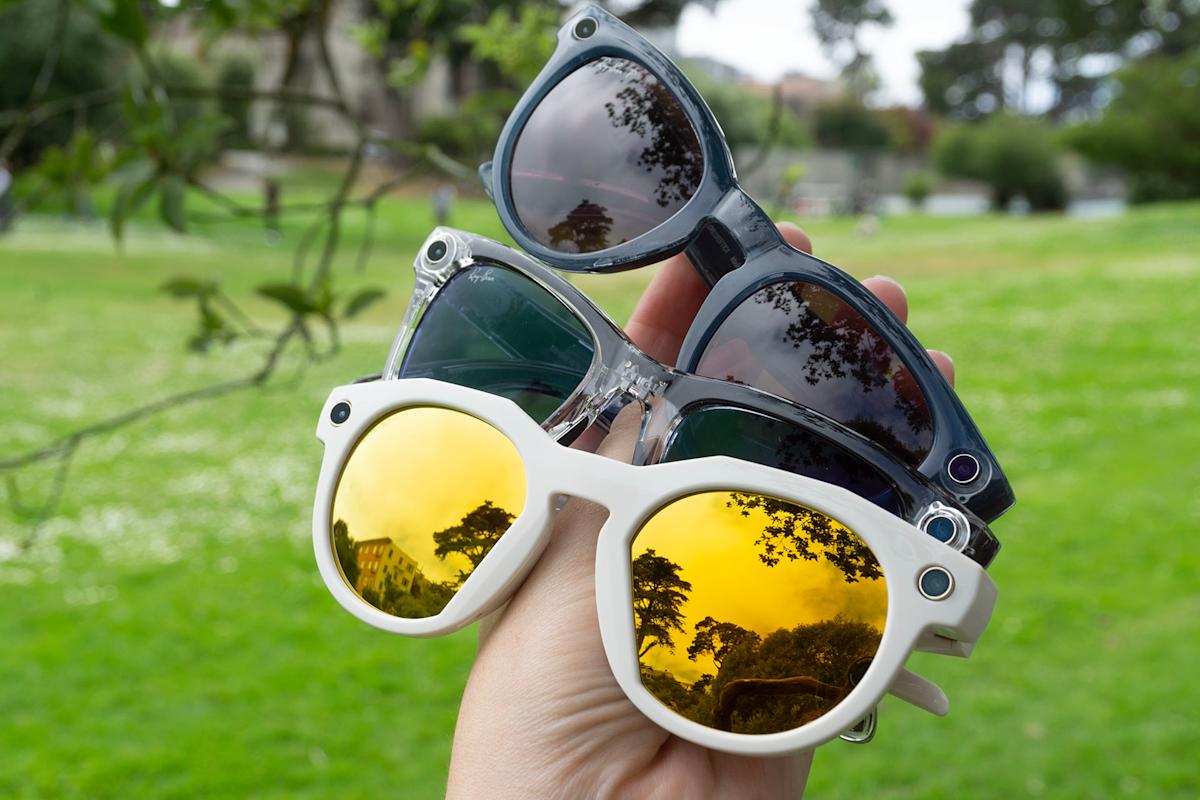
Meta is facing a class action lawsuit for false advertising related to its AI glasses following reports about the company’s use of human contractors to review footage captured from users’ glasses. The lawsuit, filed Wednesday in federal court in San Francisco, alleges that Meta’s claims about the devices’ privacy features have misled users.
The lawsuit comes after a Swedish newspaper reported that subcontractors in Kenya have raised concerns about viewing footage recorded via Ray-Ban Meta glasses. According to Svenska Dagbladet, workers have reported witnessing “intimate” material, including bathroom visits, sexual encounters and other private details as part of their job labeling objects in videos captured on users’ smart glasses.
“This nationwide class action seeks to hold Meta responsible for its affirmatively false advertising and failure to disclose the true nature of surveillance and its connection to the company’s AI data collection pipeline,” the lawsuit, filed by Clarkson Law Firm, states. The filing names two individuals who live in California and New Jersey who purchased Meta’s smart glasses. It says that both “relied” on Meta’s marketing claims about the glasses’ privacy protecting features and that they would not have purchased them if they knew about the company’s use of contractors. The lawsuit seeks monetary damages and injunctive relief.
Advertisement
Advertisement
A spokesperson for Meta confirmed to Engadget that data from its smart glasses can be shared with human contractors in some cases. The company declined to comment on the claims in the lawsuit.
“Ray-Ban Meta glasses help you use AI, hands free, to answer questions about the world around you,” the spokesperson said. “Unless users choose to share media they’ve captured with Meta or others, that media stays on the user’s device. When people share content with Meta AI, we sometimes use contractors to review this data for the purpose of improving people’s experience, as many other companies do. We take steps to filter this data to protect people’s privacy and to help prevent identifying information from being reviewed.”
What the company doesn’t explicitly say there is that there is no way to use the smart glasses’ “multimodal” features without sharing the captures of your surroundings with the company. As I noted in my review of the second-generation Ray-Ban Meta smart glasses last year: “images of your surroundings processed for the glasses’ multimodal features like Live AI can be used for training purposes (these images aren’t saved to your device’s camera roll).”
So while Meta claims that users’ own recordings are kept private, footage that is captured but not stored locally for users — like video when Live AI is in use — can be sent to contractors who help train the company’s AI models. Meta’s privacy policy doesn’t specifically mention the use of human contractors, though it states that such data can be used for training purposes.
Advertisement
Advertisement
“The undisclosed human review pipeline renders the Meta AI Glasses’ privacy features materially misleading, transforms the product from a personal device into a surveillance conduit, and exposes consumers to unreasonable risks of dignitary harm, emotional distress, stalking, extortion, identity theft, and reputational injury,” the lawsuit says. “Indeed, Meta employees and contractors have described viewing credit card numbers, nudity, sexual activity, and identifiable faces in the footage they reviewed, and reported that Meta’s purported anonymization safeguards do not reliably function.”
Disclaimer : This story is auto aggregated by a computer programme and has not been created or edited by DOWNTHENEWS. Publisher: engadget.com



