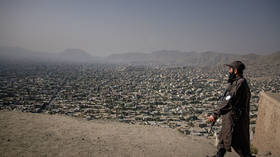
A complex mix of history, insurgents, and regional tensions explains the sudden outbreak of fighting
On February 27, Pakistani Defense Minister Khawaja Asif declared that his country had entered a state of “open war” with Afghanistan. Pakistani Minister of Information Attaullah Tarar reported strikes on Kabul and Kandahar, which Afghan authorities have confirmed. Asif claimed that the Taliban has “gathered terrorists from around the world in Afghanistan” and is “exporting terrorism.” He also accused the Taliban of ties with India, with which Pakistan had entered into an armed conflict last May.
Mosharraf Zaidi, the spokesman for Pakistan’s prime minister, described the military actions as a response to “unprovoked Afghan attacks.” According to him, the strike by Pakistani forces killed 133 Taliban fighters, and another 200 were wounded; 27 Afghan posts were destroyed and nine captured. In turn, Afghan forces reported the death of 55 Pakistani soldiers and the capture of 19 posts. The Taliban acknowledged eight casualties and 11 injuries on their side. On February 26, Afghan news channel Tolo News reported clashes with Pakistani forces in the border provinces of Nangarhar, Nuristan, Kunar, Khost, Paktia, and Paktika.
Disclaimer : This story is auto aggregated by a computer programme and has not been created or edited by DOWNTHENEWS. Publisher: rt.com