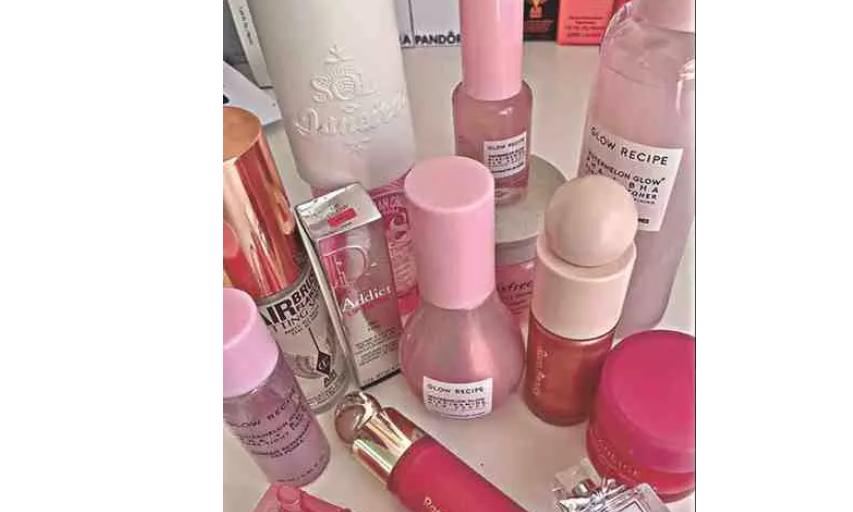
Hyderabad: The price difference between products marketed to men and women — often referred to as the “pink tax” — continues to surface in everyday retail purchases, consumer advocates and economists say.
The term does not refer to an official government levy but describes the higher prices sometimes charged for goods and services marketed to women compared with similar products aimed at men.
Ananya Reddy, now a 27-year-old marketing professional, first noticed the disparity while shopping as a teenager.
Standing in a supermarket aisle, the then 19-year-old observed that a razor marketed to women cost almost twice as much as a similar one in the men’s section. “The blades looked the same. Only the colour and packaging were different,” she said.
Studies in several markets have pointed to such pricing differences. One analysis of gender-specific products titled From Cradle to Cane: The Cost of Being a Female Consumer found that women’s personal care items were about 13 per cent more expensive than men’s versions on average.
The variation is often seen in routine purchases such as razors, deodorants, face creams and clothing. While women’s versions are typically packaged in softer colours and floral fragrances, the price can also be higher.
Many consumers say the difference becomes visible only when products are compared closely on store shelves.
College student Aisha Khan said she began paying closer attention after noticing similar items priced differently. “I realised the men’s deodorant and even an anti-dandruff shampoo and a pair of socks (all made with similar, if not the same ingredients, but added fragrance or heart embroidery) were cheaper for the same quantity. Now I check prices more carefully,” she said.
Mahesh Kumar S., senior assistant professor in Economics Studies at a private college in the city, said marketing and product design can influence pricing. “Companies often spend more on branding and product variations for different customer groups. Those costs may be reflected in the final price,” he said.
However, he added that the issue has wider implications as women already incur higher spending on certain essentials such as menstrual hygiene products. “Even a small difference repeated over years becomes significant. It raises an important question about fairness in the marketplace,” he admits.
For many consumers, the immediate response remains greater awareness while shopping. As Ananya put it, “The least we can do is notice what we are paying for.”
Disclaimer : This story is auto aggregated by a computer programme and has not been created or edited by DOWNTHENEWS. Publisher: deccanchronicle.com