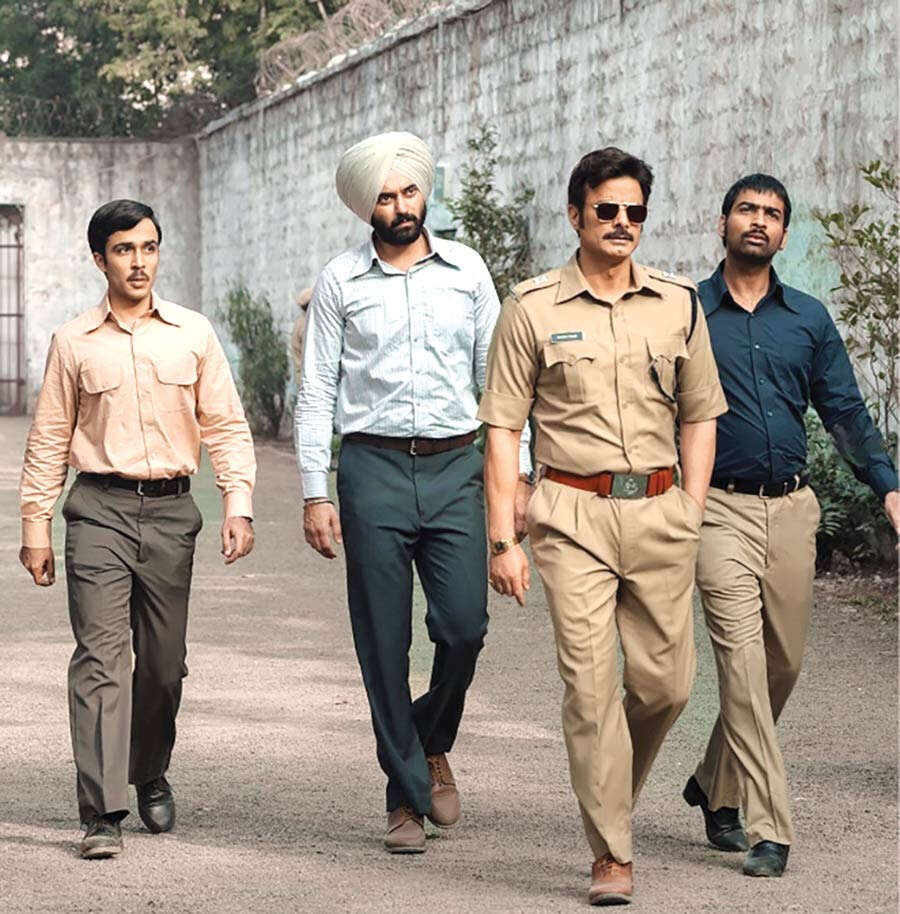
What has changed from the time you started in the ’90s to today?
I bought my first Maruti car. And these guys were like, “What the hell is going on, man?”
I feel that struggling days were the best days. It’s strange. Maybe it was the age. I was just 19. Those days, people were large-hearted and this place was buzzing with energy. That buzz and that excitement in the air are not there anymore. It’s become too methodical and predictable. Those days there was so much unpredictability and so many possibilities. Today, there are no clubs. There are no interesting spots. There are no conversations happening when you are alone. But the whole world has come to you on your phone. You don’t have to go to the world.
What were casting calls or auditions like those days?
There were no mobile phones back then. There was this guy who had an STD booth. Prakash bhai in PMGP used to charge one rupee for incoming calls. He used to maintain a register in which he would write the names of the people calling us.
Did you have to struggle a lot?
My ex-wife had studied in America. And she was exposed to a lot of Hollywood films, international cinema. I accidentally started watching those films with her. The more I saw this cinema, the more I realised that I didn’t know anything. And in between, I started a production house called Film Tonic. And I made commercially successful TV shows. Then Anurag Kashyap offered me Ugly. I don’t know what he saw. He always tells me, “I saw your eyes.” But I don’t know what was there in my eyes. But I am very thankful to him that at least he saw something. I have no idea what he saw.
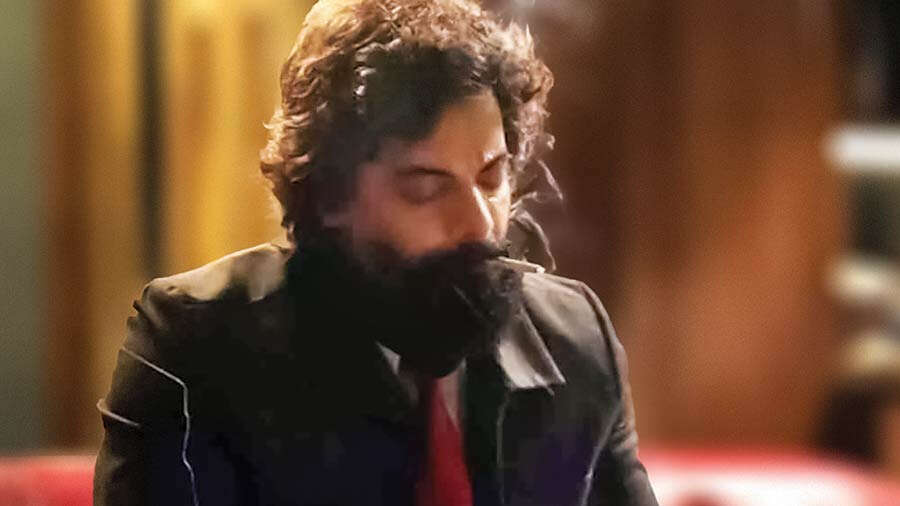
There’s no need to drink alcohol. But yeah. We felt that let’s just find this character. Basically, it’s all nonsense. We were having fun. And that’s it. I became a drunkard. I have very good control over myself. I can drink when I want to drink and smoke when I want to smoke and not drink and not smoke.
Like Gloria Swanson says in Sunset Boulevard, I’m still big, it’s the movies which got smaller.
Yes, absolutely. I feel that. I realised that it’s not the films. You have to be brilliant in what you do. You have to give it your all.
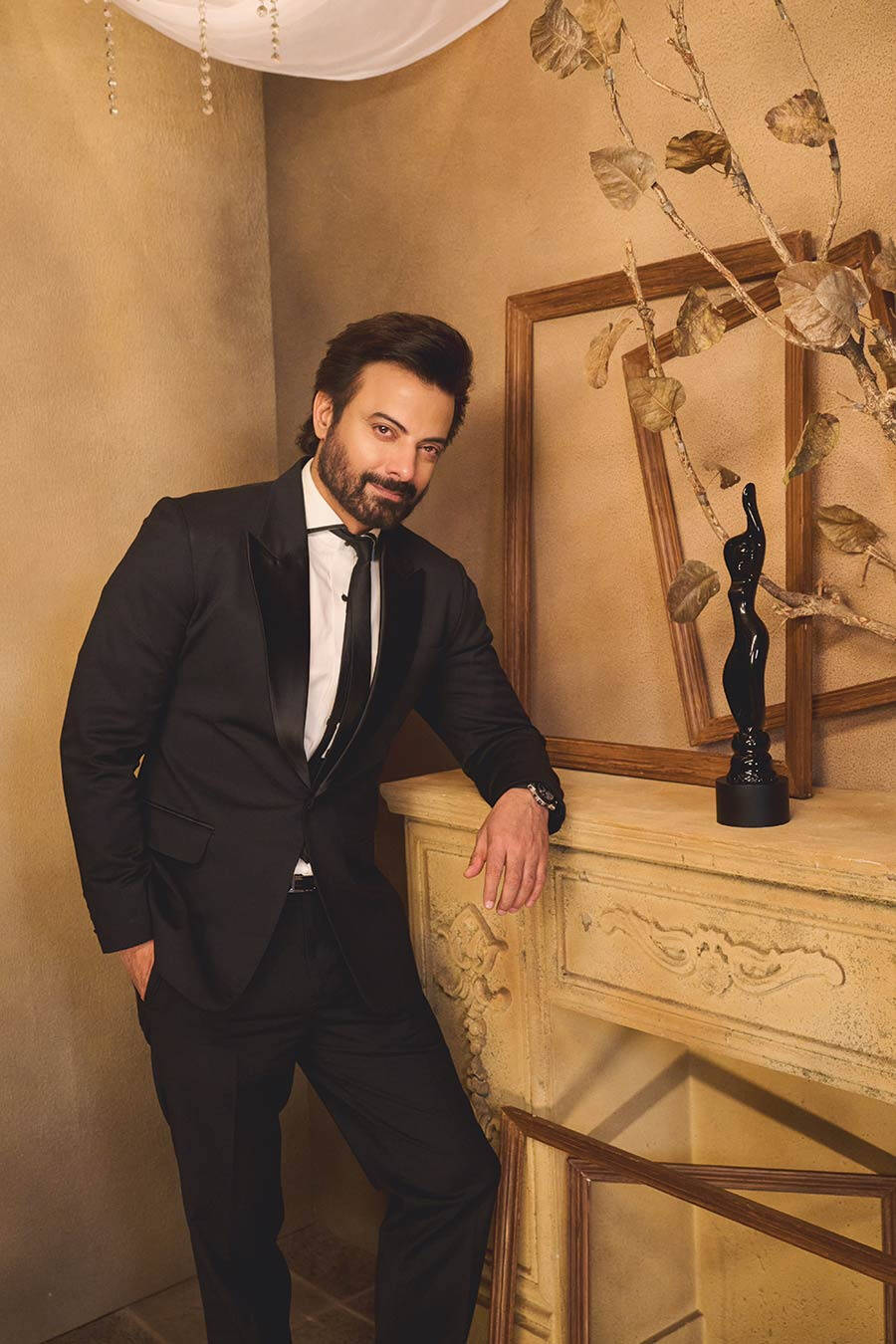
How did you discover so much evil for your role in Black Warrant? Is that in you?
When I was doing it, I was consciously telling myself to do something interesting. I wanted to do something that people start missing my character and will look forward to his next appearance. Sudhir Mishra said one day, all the scenes have been done millions of times. Don’t just think like an actor whose mother has died. Everyone’s mother has “died” on screen. Don’t just think about your girlfriend leaving you. There are millions of films where girlfriends have walked out. You have to continuously think, how different can you be?
And that’s what I thought I would do with Tomar and Black Warrant. So that evil came in his flair, in his attitude, his mannerisms, gimmicks. So I thought, let me have fun while doing it. And it worked out.
Who are your role models when it comes to acting?
Naseer saab. He has immersed himself in so many different roles, you know? Some of his films are unbelievable. He has done some truly great films. Irrfan, I feel very sad that he died so early. He had to leave so early from this world because I feel that there was a storm inside of him; there’s no telling where else he could have taken us. Smita Patil, Shabana Azmi, great actors. And of course, Dilip Kumar. I consider him the ultimate in Indian cinema.
Sanjeev Kumar had this unbelievable personality. And he was only in his 30s when he played older characters. He’s 35 and he plays Thakur in Sholay.
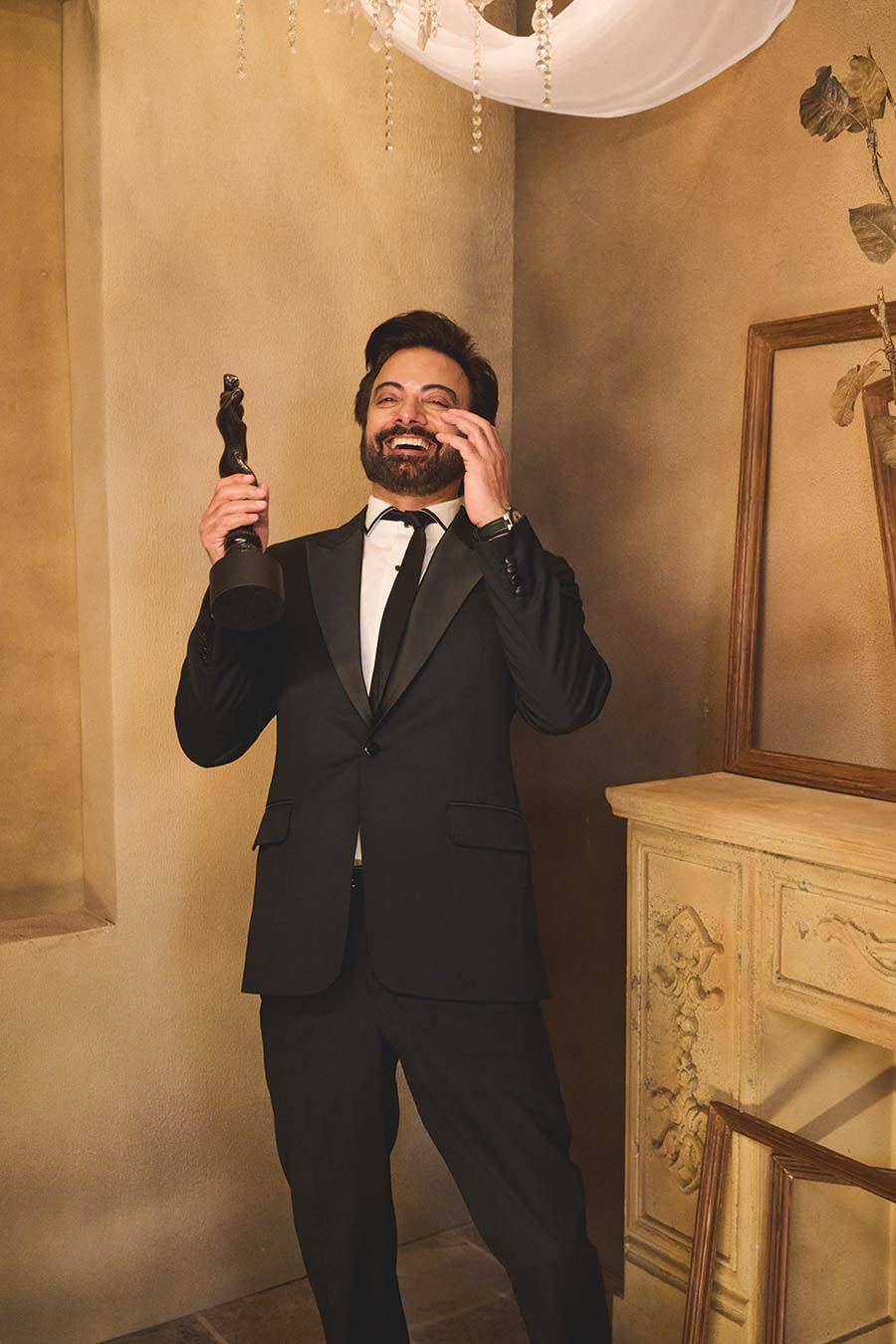
I never accept defeat. I cannot. I don’t lose. I feel it’s just a setback and I need corrections. And I always, as I said earlier, really kind of take inspiration from the stock market in this way. It crashes, but for sure it’s going to come back. For sure it’s going to surprise you. And one day, if it is a good day, it will be. And I completely believe that there are things that we don’t have control over. I believe that whatever you do, you should just have fun. Don’t take life so seriously. So many great directors are still talking to me and want to make films with me. I feel that I’m very thankful. And the thing that I did wrong was that I should not have taken a break.
I, of course, have read Konstantin Stanislavski. There is only one truth, which is called honesty in your acting.
Have you been honest, always?
I’m trying. It’s not easy to be honest.
Actors are basically selfish bastards. I’m selfish. We try to internalise everything that happens because we are so obsessed with self-development. We have to continuously rediscover ourselves. And it’s physical, it’s psychological, and it’s sociological, all three. It’s not just memory. Only memory won’t work. It’s challenging and it is demanding, and that is why actors are a little obsessed with themselves.
I’m very bad at social media. You can’t give me a script for my daily life, for my personal life. I simply won’t be able to follow that.
I have a younger sister, who’s like my best friend and now like a mother sometimes. And I have parents who live with me. They have been living with me all throughout, and luckily I have that good support at home. And I have lovely, wonderful kids, although this divorce also happened in between and I got separated from
my wife.
Yes, we are friends and we look after the kids. We have somehow protected the kids from any kind of issues. Great actors become great when they are in their 40s, when they have gone through life. And for me, these are my ornaments, the trauma. I just keep them very close to my heart. You have to find ways and means to remain happy and that can only come when you treat your work not as labour, but as something that you love to do. What can I say about what has happened to me or my trauma? I mean, there’s a lot of sadness happening around the world right now while we are talking. So you have to just say, okay, thank you, God. You know, if your body is working, if your hands and feet are moving and you can see, you can think and you can hear properly, I think you’re very good. These speed breakers, they come. There will be a setback in your professional life. There will be a setback in your personal life or relationships or friendships. They will happen. Just take them in your stride and keep walking.
Also Read: Exclusive: “I Got Three Movie Offers Here in Cannes,” Says Rahul Bhat
Disclaimer : This story is auto aggregated by a computer programme and has not been created or edited by DOWNTHENEWS. Publisher: filmfare.com