Former NRL player-turned-rich lister Wes Maas has put forward a $34.15 million rescue deal to rebirth the Derrimut 24:7 Gym chain, knocking out rival offers from a corporate group and billionaire Adrian Portelli.
Creditors – including landlords, fitness equipment suppliers and sessional trainers – would receive up to 50 cents in the dollar under the rescue deal, while employees would receive a full payout of their entitlements.
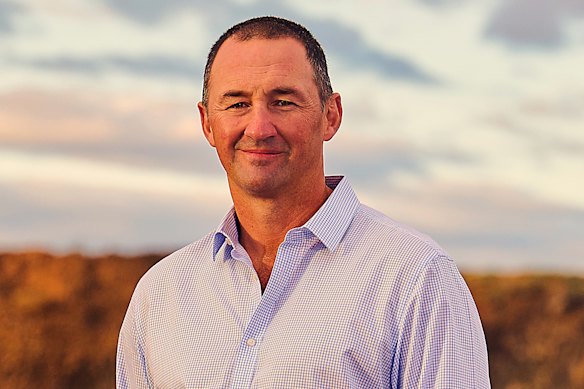
Wes Maas ranked on this year’s Australian Financial Review 2024 Rich List with an estimated wealth of $814 million.Credit: Nic Walker
Maas played for the South Sydney Rabbitohs in the 2000s before retiring and branching out into property development and construction services as well as prestige car sales. His wealth was estimated at $814 million by The Australian Financial Review earlier this year.
Maas’ offer is backed by his private company, Cavalo Prestige Motor Group, which sells supercars and other high-end vehicles. He has been contacted for comment.
Administrator Stephen Dixon has recommended Maas’ offer to creditors, saying it would provide a better deal for creditors than liquidating the businesses at a meeting next week.
Dixon’s recommendation came after Maas provided $1.6 million in funding to keep the business running during the administration process. This masthead had previously reported that a mystery rich lister had overtaken billionaire Adrian Portelli in the race for the group.
The administrators also revealed they had received a formal offer to purchase the assets of the business, but that had been rejected in favour of the rescue deal.
Last week The Australian Financial Review’s Street Talk column reported Revo Fitness and Viva Leisure had made a joint $35 million offer for the business, but that it had been knocked back by administrators.
Portelli told this masthead on Wednesday that he had drifted away from the process some time ago.
The Derrimut 24:7 Gym chain was founded in Melbourne’s outer west in 2010 and is known for its large venues and affordable memberships, some of which cost less than $100 a year.
At the time of its collapse in November, the rapidly growing business had 25 venues in Victoria and South Australia, 200,000 members and 800 staff.
Fresh reports prepared by the administrators to the three key Derrimut companies released this week show that at the time of the group’s collapse it owed $4.6 million to its staff and a further $65 million-plus to its creditors, including the ATO, which claims it is owed $14 million in unpaid taxes.
The deal requires Derrimut’s many landlords to agree to continue their leases with the group. If fewer than 21 venues are transferred to the new owner, the deal will fall through.
The deal also allows for Maas to reduce the amount he pays by $1.25 million for each gym that is not included in the sale – meaning the amount available to creditors could fall to $29.15 million, or around 40 cents in the dollar.
The report notes that four venues are at risk of being sold to other parties by receivers and frustrated landlords.
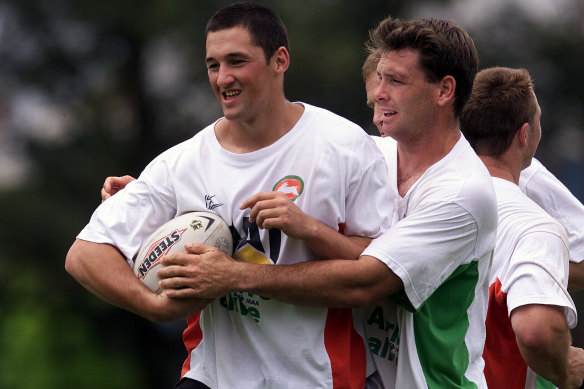
Wes Maas, left, at pre-season training for South Sydney at the end of 2001.Credit: Scott Barbour
This masthead has previously revealed that Derrimut’s Thomastown and Ravenhall sites had been seized by receivers and were being sold as vacant on possession. Derrimut is expected to be evicted from two other venues.
The administrators have so far stayed mum on whether Derrimut’s founder, Nik Solomos, will remain involved in the business.
Solomos is a divisive figure among creditors, with some believing the gold chain-wearing, supercar-driving businessman brings social cachet to the brand, while others believe his excessive personal borrowing pushed the company to the wall.
Sources aware of the Maas offer said Solomos was likely to stay on at the company after the rescue deal went through, though it was not clear in what capacity.
An investigation by The Age revealed in September that the rapidly expanding Melbourne gym empire has been failing to pay taxes, staff superannuation, and hundreds of businesses and landlords, while Solomos has been borrowing millions for personal expenses over several years.
This included $5000-a-week allowance, mortgage repayments and household bills as well as $30,000 weekly payments to Solomos’ ex-wife, with whom he has a young son.
Administrators have previously told a meeting of creditors that they estimate that Solomos took nearly $15 million out of the business over several years by way of loans.
A new report released by the administrator this week said that 36 parties had indicated an interest in the business. Only one formal offer to buy the assets had been received but had been rejected by the administrators.
The rescue deal, known as a pooled deed of company arrangement, was separate from the offers to buy parts of the businesses’ assets.
Get the day’s breaking news, entertainment ideas and a long read to enjoy. Sign up to receive our Evening Edition newsletter.
Most Viewed in National
Disclaimer : This story is auto aggregated by a computer programme and has not been created or edited by DOWNTHENEWS. Publisher: www.smh.com.au