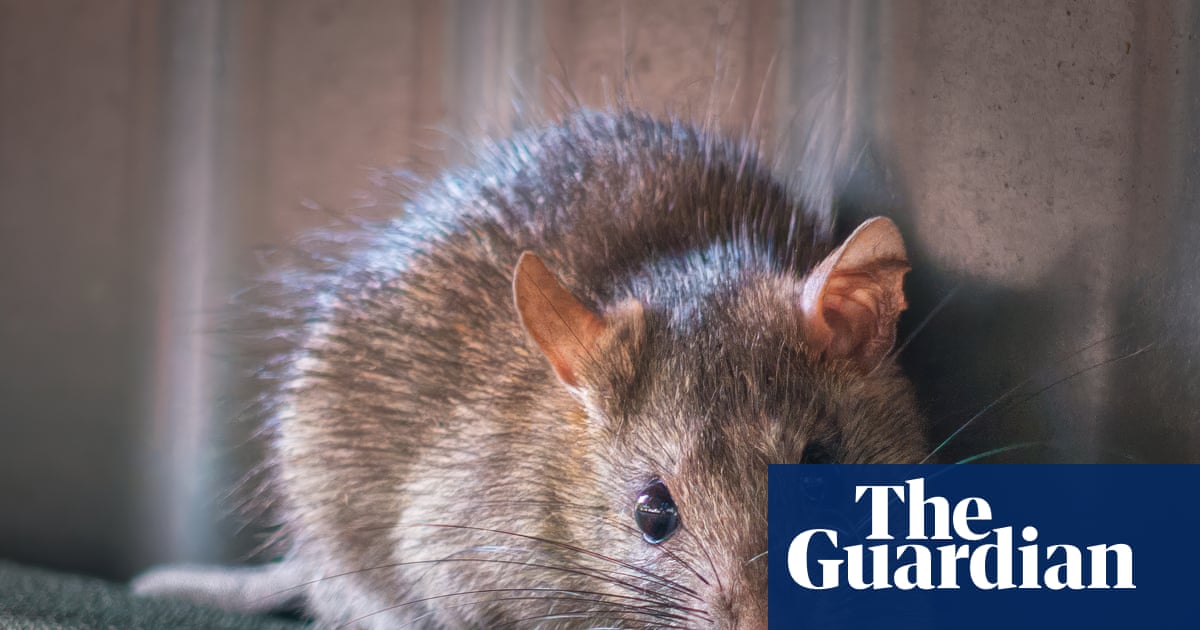
Widely available rat poisons could be removed from shelves at Australian supermarkets and other retailers after a federal regulator recommended they be declared a restricted product.
It is a win for conservationists and scientists who for years have called for rodenticides to be banned or highly restricted due to their impact on wildlife. Native animals including tawny frogmouths, powerful owls and quolls have been found dead after eating poisoned rats and mice.
Sign up: AU Breaking News email
The Australian Pesticides and Veterinary Medicines Authority said it was in the public interest for chemical products containing any second-generation anticoagulant rodenticides – known as SGARS – to be declared restricted chemical products.
If accepted by federal and state governments, the declaration would limit access to the poisons to licensed professionals. Retailers including Bunnings, Coles and Woolworths would no longer be able to sell them.
It follows the authority agreeing in December, after a long-running review, that the rodenticides posed an unacceptable risk to wildlife. It said it had consulted with governments before making the recommendation.
The authority announced there would be new conditions on the sale and use of SGARs while governments considered its advice. From 24 March, the poisons must not be used outdoors or for longer than 35 days at a time. Baits must also be stored securely in a tamper-resistant bait station. Retailers will have to give consumers a physical copy of the new instructions for use.
The announcement is the first time in more than a decade that the authority has declared a restricted chemical product. Only 12 have been declared across agricultural chemical and veterinary medicines.
BirdLife Australia chief executive, Kate Millar, said the advice was in line with “overwhelming scientific evidence” and she hoped it would be accepted by federal, state and territory governments.
“This is a terrific step for birds and wildlife,” she said. “Our supporters and scientists are celebrating today. This is the first major step toward the outcome we have been calling for.”
Jessica Crause, a wildlife rehabilitator with Sydney Metropolitan Wildlife Services who has cared for raptor species affected by the poisons, such as powerful owls, welcomed the recommendation.
“I see first-hand the impacts that these poisons have on our wildlife – birds grounded, unable to fly, getting attacked by predators, puffed up and clearly feeling very unwell,” she said. “It is heartbreaking because by the time they come to ground they have been suffering for days and days and it is almost impossible to reverse the damage.”
A Bunnings spokesperson said the retailer would follow guidance from the authority and was “working through what these changes mean for the products we stock”.
A Woolworths spokesperson said the supermarket chain was consulting suppliers to “understand the implications of the APVMA’s decision”.
“We understand these products are important to certain customers, especially in rural areas,” they said.
“We also sell a number of alternative options including ultrasonic repellents, traps and rodenticides without second-generation anticoagulants.”
Guardian Australia has sought comment from Coles.
Disclaimer : This story is auto aggregated by a computer programme and has not been created or edited by DOWNTHENEWS. Publisher: theguardian.com