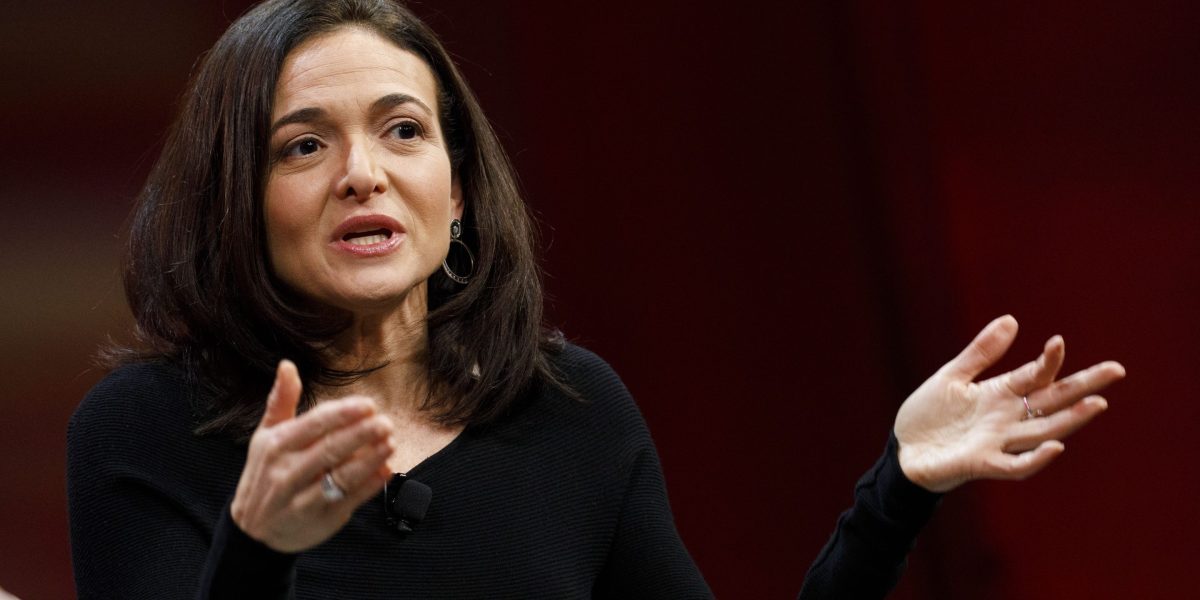
Women may unwittingly be living through a turning point in their labor history. Hundreds of thousands are packing their desks leaving their jobs—both by choice, and involuntarily—while people pontificate if they ruined the workplace, and some CEOs call for a more “masculine” company culture. Now, business leaders are calling out the backtrack of women’s careers, and former Meta COO Sheryl Sandberg warns of a damaging trend.
“I’m 56, so this is my fourth decade in the workplace, and we are in a particularly troubling moment in terms of the rhetoric on women. You see it everywhere, in all the sectors,” Sandberg recently toldCNN. “But what I’ve seen is when we make progress, we backslide, we make progress, we backslide.”
“And I think this is a major moment of backsliding,” she said.
The long-time Meta executive, bestselling author, and billionaire pulled out a slew of worrying facts and figures. She noted that during the first eight months of 2025, more than 455,000 women left the U.S. workforce—while 100,000 men stepped into jobs within the same period. And the plight has been even worse for women of color; Sandberg said the unemployment rate among Black women currently rests at 7.5%, significantly higher than the national average of 4.4%, and even greater than the approximate 3.5% of jobless white men and women.
Beyond the fact this concerning phenomenon is stunting women’s careers and economic livelihoods, it’s also stifling the U.S. economy. Even American corporations that snub working women with C-suite titles are shooting themselves in the foot—Sandberg said companies with 15% or more women in senior management perform better.
“No matter what’s going on in the overall zeitgeist, companies don’t have an excuse to write off half their population,” Sandberg continued. “If you got workforce participation for women in the U.S. just up to the levels of other wealthy countries, that would be an additional 4.2% GDP growth, and our economy grows less than 2% a year. That’s a lot of growth to leave on the table.”
Women’s workforce plights: RTO, shrinking opportunities, and stereotypes
As hundreds of thousands of women disappeared from payrolls this year, experts pointed to one primary culprit: employers forcing staffers back into the office with strict RTO policies.
Major companies including Amazon, JPMorgan, Citigroup, and Dell have all imposed stricter in-person policies in 2025, much to the behest of their workers. And this corporate trend is leading to some serious staffing consequences. Labor force participation of mothers with kids under the age of 5 dropped from 80% to 77% between January and June 2025, according to an October KPMG study—and those with bachelor’s degrees were hit the hardest. However, the sharp fall off was no coincidence. The exodus of working moms coincided with a near doubling of full-time RTO mandates among Fortune 500 companies.
“Since late 2023, women with young children have been leaving the labor force…Over the same period, men with young children have increased their participation in the labor force,” the KPMGreport notes. “The childcare crisis is adding additional stress to the labor supply. Employers are currently losing talent; as a result, the U.S. economy will grow more slowly.”
Working mothers aren’t the only ones up against an employment crisis. It’s estimated 600,000 Black women have been shut out of the workforce since February, according to an analysis from gender economist Katica Roy. During that time, 297,000 lost their jobs and 75,000 were edged out of the labor force, while 223,000 are still unemployed. American job growth is sputtering, and when open roles are finally up for grabs, competition is fierce—with hiring decisionmaking historically stacked against their favor.
But there’s more at play behind the “major backsliding” of women in the workforce, beyond RTO and shrinking job opportunities. American philanthropist and ex-wife of Microsoft founder Bill Gates, Melinda French Gates, laid out four ways women are being held back in corporate America. Working women are forced to make “impossible tradeoffs” between caregiving and their careers; they’re still being harassed on the job, despite the #MeToo movement starting much-needed discourse on workplace culture; the stereotype that women are “not cut out for leadership” refuses to die; and they have a much harder time raising capital for their businesses.
“It’s very concerning to see so many women leaving the workforce—but if you’ve been listening all along to what women say about their careers, it’s not surprising,” French Gates toldFortune in October.
“I want to see more women leading—making decisions, directing resources, and shaping policies at the highest levels of society,” French Gates continued. “That requires us to make sure they’re not facing unique barriers along the way to positions of power.”
Disclaimer : This story is auto aggregated by a computer programme and has not been created or edited by DOWNTHENEWS. Publisher: fortune.com