The Winter Olympic Games have begun, and once again the sport of curling is set to draw in scores of new converts.
Although dominated by Sweden, Canada, Switzerland, and Scotland, many eyes during the 2026 Winter Olympics will be on the team from host country Italy thanks to Stefania Constantini and Amos Mosaner, the reigning Olympic and world curling champions in mixed doubles.
Regardless of which country takes home the gold, the real attention during the Olympics this year might be on the cool gadgets curlers use. Somewhat similar to a game of shuffleboard played with brooms and stones, curling has seen some pretty interesting advances in the gear that’s used on the ice.
In addition to raw skill and strategy, here’s everything you need to know about the state of the sport.
Scottish Stones
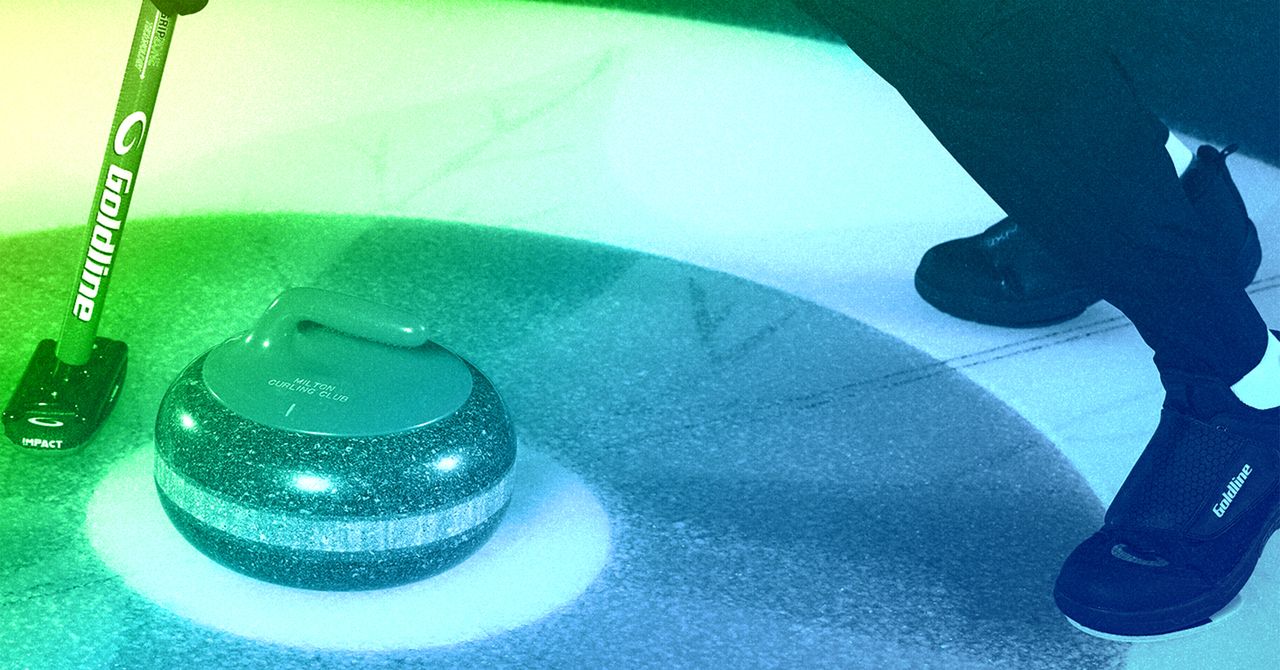
Nearly every curling stone—the round rock that slides down the ice—comes from the same place: Ailsa Craig. The 99-hectare island site in the Firth of Clyde inlet on Scotland’s west coast is known for its granite, and by extension its ability to provide enough of it to outfit curlers the world over.
Each stone must weigh between 19.96 and 17.24 kilograms and is made from one of two varieties of Scottish granite, common green and blue hone. These two types are the most resistant to heat and humidity and to the cracks and condensation that can form thanks to the 28 meters of ice the stones slide on during competitions.
The stones used at the Olympics, as well as the World Championships, are produced by Kays of Scotland. Many curling stones also come from Canada Curling Stone. (The sport has seen a recent spike in popularity in Canada.) Both companies produce the stones using a meticulous process of grinding and polishing.
Disclaimer : This story is auto aggregated by a computer programme and has not been created or edited by DOWNTHENEWS. Publisher: wired.com