With the rise of fitness social media accounts posting low-calorie meal plans and workout tutorials, has fitness culture become more toxic than helpful?

20:00, 15 Feb 2026
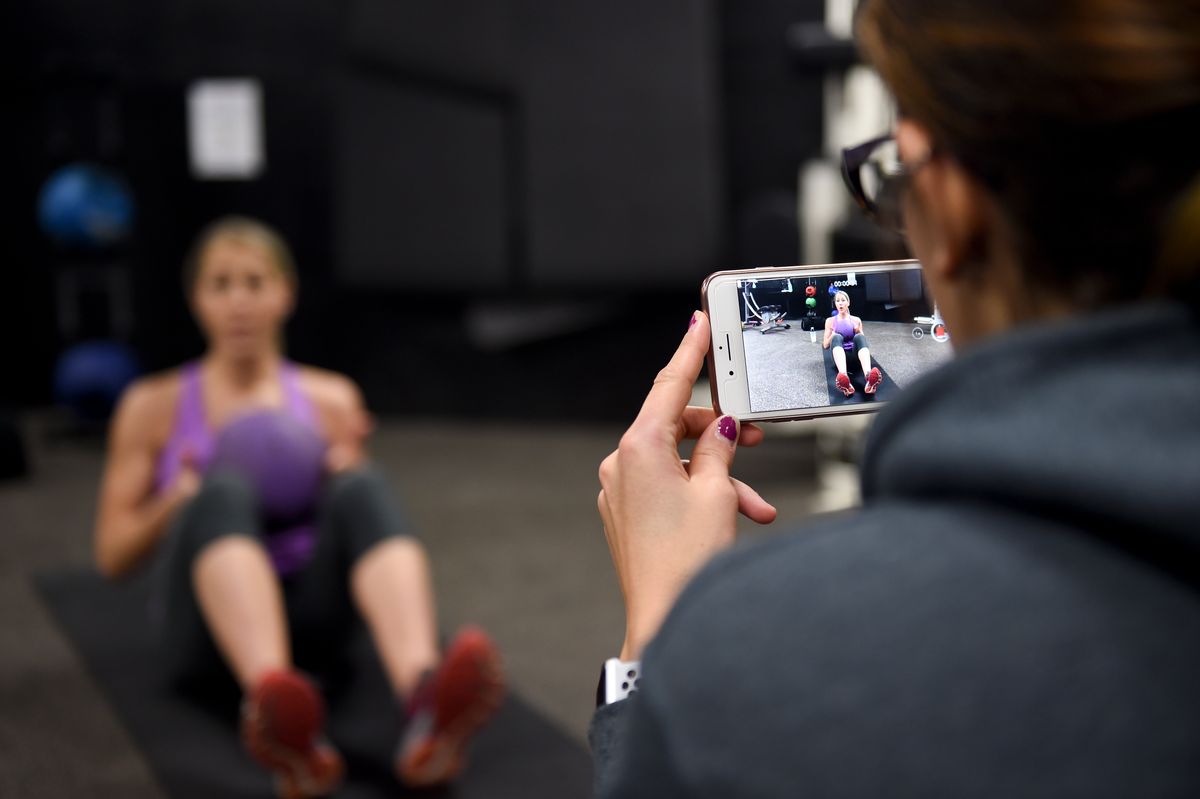
In today’s digital world, social media has become the go-to source for fitness inspiration, tips and advice. Platforms like TikTok, Instagram and YouTube are flooded with workout tutorials, meal plans and ‘what I eat in a day’ videos, providing seemingly endless content for anyone looking to kick-start their health goals.
It doesn’t matter where you turn, fitness is everywhere. If it’s not a personal trainer sharing their latest routine on Instagram, it’s an ad for a calorie-tracking app, a pop-up promoting a new gym in town or a billboard promising the ‘summer body of your dreams’. The message is clear, fitness is not just a hobby, it’s a lifestyle – and one that is inescapable.
For many, social media has distorted what is realistically achievable for the average gym-goer. The standards set by influencers and bodybuilders are often unachievable, presenting an idealised version of health and fitness.
What some of us see as personal milestones can seem like ‘bare minimum’ effort to others online. This constant comparison creates a high pressure environment, where fitness becomes less about wellbeing and more about appearance.
The marketing of these lifestyles makes matters worse. Many fitness influencers showcase their sculpted bodies as part of a marketing strategy, selling supplements like creatine, programs and quick-fix solutions. Their online presence can make followers feel substandard, feeding into a cycle of comparison, self-doubt and obsession.
For me nothing screams toxicity of modern gym culture more than the direct messages flooding my social media inboxes. A message from a personal trainer might read: “Hey girl, have you ever considered what’s holding you back from reaching your goals. Well I’m here to help you and with my 10 week program, you’ll be fit, healthy and summer ready.”
On the surface, I get it. Personal trainers have a job to do and attracting clients is how they make a living. But still I can’t help but wonder – why me? What made my profile worthy of receiving that message.
Maybe they scrolled through my Instagram feed and decided I wasn’t ‘gym ready’ or maybe they were just truly looking for clients to come onboard of their programme. Logically, my head turns towards the later explanation, but my insecurities don’t listen to logic.
Suddenly I find myself spiralling and am obsessing over calories, horrified at myself for skipping the gym and feeling an intense amount of pressure to get in shape and fit to the beauty standards.
It’s a sharp reminder of how fitness culture on social media can quickly blur the lines between motivation and toxicity.
A simple question meant to sell a program can easily turn into a trigger making you question your body, your fitness and your overall habits. But most importantly your worth.
As a young woman I feel there is that constant pressure from society to look a certain way and be a certain size.
In the 1990s, it was supermodels and the rise of ‘heroin chic’ – a term I personally hate – that fuelled a surge in eating disorders among young girls striving to emulate size-zero figures on the runway.
While the mid 2010’s saw the rise in the slim thick trend, with people trying to achieve Kardashian bums through surgeries such as the Brazilian Butt Lift (BBL), which essentially takes any fat from your stomach out and places it into your bum and hips.
Skinny culture is back with the rise of semaglutide injections, which is meant for managing type 2 diabetes, but often used for managing weight loss.
It’s no wonder young women like myself are struggling with their appearance, in a world of heightened fitness culture and social media, it’s hard to feel comfortable within your body when the society norm is ever changing. All I can do is try to remember that every body is different and to try and not get caught up in fitness noise. Perhaps a break from social media couldn’t hurt.
If you or someone you know is struggling with body image issues, you can contact Scotland’s BEAT helpline from 3-8pm on Monday – Friday at 0808 801 0432. Alternatively, visit BEAT’S website here for more information or to organise a one-to-one chat.
Disclaimer : This story is auto aggregated by a computer programme and has not been created or edited by DOWNTHENEWS. Publisher: www.dailyrecord.co.uk