There are two primary schools of thought in golf today when it comes to pivot motion.
One believes that during the backswing, you load by shifting your center to the right as you rotate, then return by moving your weight and rotation back to the left. The other favors a more centered, single-axis motion — turning around a fixed post both back and through.
Here’s where I admit to being a bit of a chameleon — maybe even a hypocrite. I teach, coach and believe in both methods, depending entirely on who’s standing in front of me. Every student who walks onto my tee brings a unique set of physical traits: varying levels of flexibility, mobility, strength and limitation. My job is to assess what their body can (and cannot) do, then choose the motion that gives them the best chance to succeed.
So instead of arguing over which model is “right,” I focus on which one fits the player.
The shift-and-load backswing
For players who lack the flexibility or mobility to stay centered and still create meaningful force, we must allow some movement — a load to the right and an unload to the left. In this model, the body gathers pressure into the trail side during the backswing, then shifts and rotates through impact.
Yes, this pattern requires timing and coordination. There are more moving parts. But with proper repetition and mindful practice, it can absolutely produce consistent, powerful shots. For many golfers, especially those who need help creating speed, this dynamic motion isn’t a flaw. It’s a necessity.
The centered, single-post backswing
Then there are players who are physically fit, flexible and capable of generating significant speed without excess motion. For them, I prefer a single-post, centered swing, turning around a relatively stable axis both back and through.
This model minimizes moving parts, reduces reliance on timing, and allows the player to control low point and clubface with greater precision. The result is often crisper contact, better compression, and more repeatable outcomes. When the body allows it, simplicity is powerful.
In short, my teaching relies on a deep, multidimensional toolbox. One size does not fit all. There’s more than one way to build an effective pivot, because no two golfers are built the same.
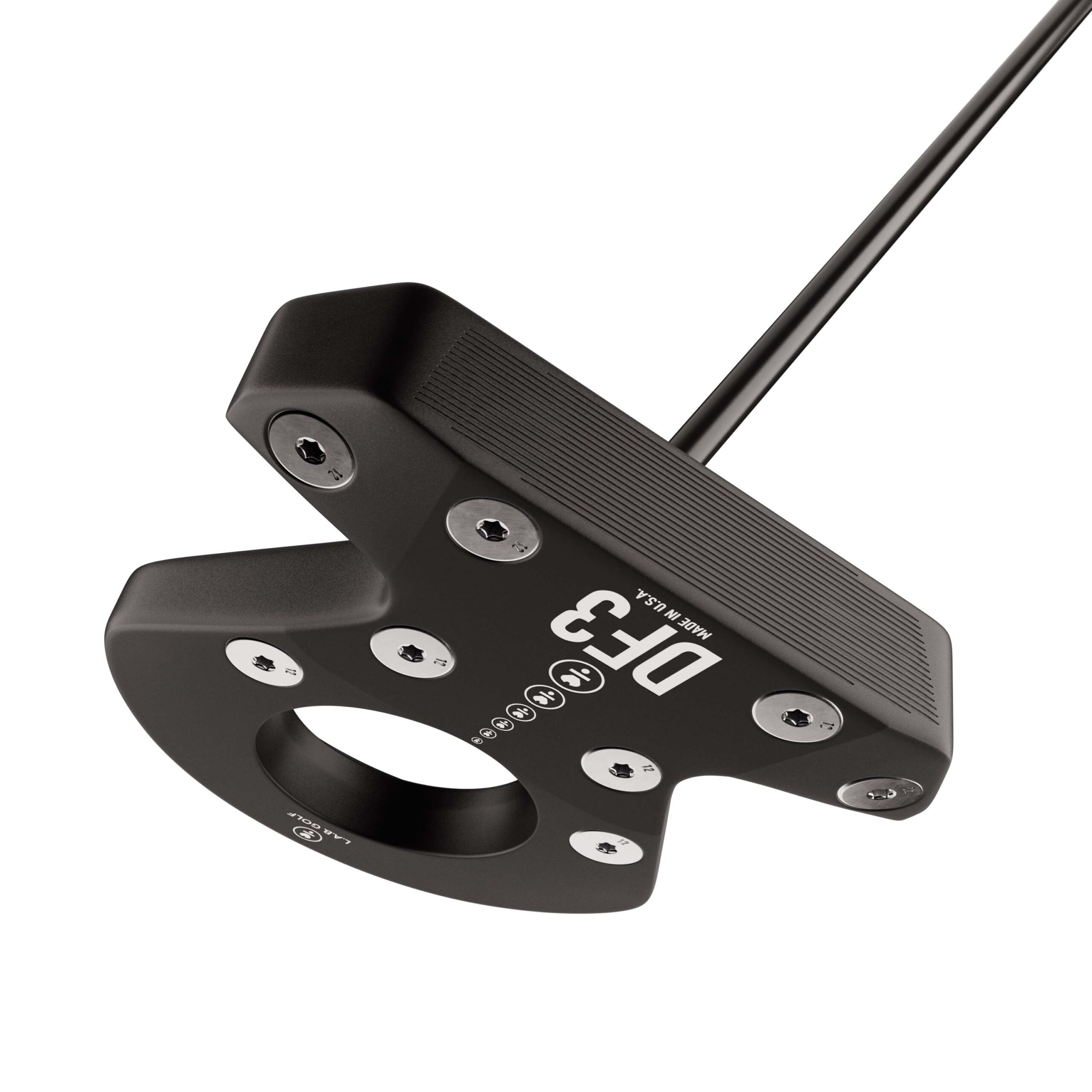
L.A.B. Golf DF3 Custom Putter
Ever since we launched our first putter, Directed Force, golfers have been asking if we could make it less weird. DF3 is that putter.
DF3 still does everything golfers love about the original. It stays square by itself. It’s still irrationally forgiving on mishits. But there’s a lot less to think about.
The DF3 is entirely CNC milled from 6061 aluminum, with 8 screws on the bottom made of steel or tungsten in various densities to precisely target swing weight and lie angle balance each putter.
View Product
Disclaimer : This story is auto aggregated by a computer programme and has not been created or edited by DOWNTHENEWS. Publisher: golf.com