By Allyson Chiu
Vaccines don’t just shield you from specific infectious diseases or help make symptoms less severe if you get sick but can also prevent common chronic illnesses, including some cancers, according to public health experts.
“We now have a more full understanding of how these vaccines go beyond just protecting us against the disease that they helped prevent,” says Richard Martinello, chief medical officer and infectious diseases physician at Yale School of Medicine.
In addition to cancer, a growing body of research has shown that vaccines can reduce the risk of developing dementia and heart conditions. Vaccines can also help people with existing chronic conditions avoid getting sicker.
Here are the common vaccines experts recommend.
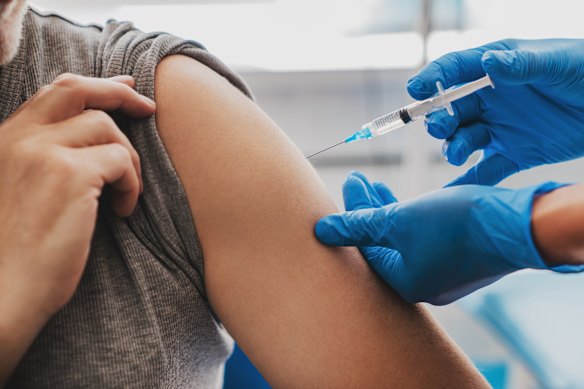
Certain vaccinations have been proven to lower the risk of some chronic diseases and specific cancers.Credit: iStock
HPV
The shots that protect against human papillomavirus are widely known as a cancer prevention vaccine for women and men.
HPV, a common infection spread by skin-to-skin contact, often through sex, is responsible for most cervical cancers and can also cause a large proportion of other lower genital cancers and certain head and neck cancers.
Studies have shown that since the introduction of the vaccine about two decades ago, rates of HPV infection, early signs of pre cancer and cervical cancer have fallen. A 2024 study of almost 3.5 million people found fewer cases of HPV-related cancers in people who were immunised. Another study found that cervical cancer deaths among women younger than 25 dropped more than 60 per cent in recent years, with researchers saying the significant decline was probably the result of vaccinations.
The HPV vaccine should be given to all young people between the ages of 9 and 26, says Robert Hopkins, medical director for the National Foundation for Infectious Diseases. (In Australia, the vaccine is free for young people aged approximately 12 or 13 under the National Immunisation Program and usually provided through school immunisation programs. ) The vaccine can be given to people up to age 45 but is less effective the older you are, Hopkins said.
For most people younger than 15, two doses of the vaccine are recommended. Three shots should be given for people between 15 and 26 years old and those who are immunocompromised.
Shingles
Being vaccinated against shingles is linked to lower risk of dementia and heart disease.
Shingles, also known as herpes zoster, is caused by the same virus that causes chicken pox. Even after recovering from chicken pox, the virus doesn’t leave your body and instead lies dormant in your nervous system. In some people, it can reactivate, resulting in a painful rash. It’s estimated that one million people each year get shingles in the United States (in Australia, it is estimated between 10,000 and 15,000 people are diagnosed annually). Among certain people, shingles can also sometimes cause lifelong chronic pain conditions or other serious complications, such as vision loss.
The shingles vaccine has been shown to be 97 per cent effective in preventing shingles in adults 50 to 69 years old, according to the Centres for Disease Control and Prevention.
Multiple large-scale studies have reported a connection between the shingles vaccine and reduced risk of dementia. In one study of more than 280,000 adults in Wales, researchers found that the vaccine lowered the chances of developing dementia by 20 per cent over a seven-year period.
Some research also suggests the vaccine could reduce the risk of cardiovascular events, such as stroke, heart failure and coronary artery disease. A study of more than one million people in South Korea age 50 or older found that those who received a shingles vaccine had a 23 per cent lower risk of heart problems.
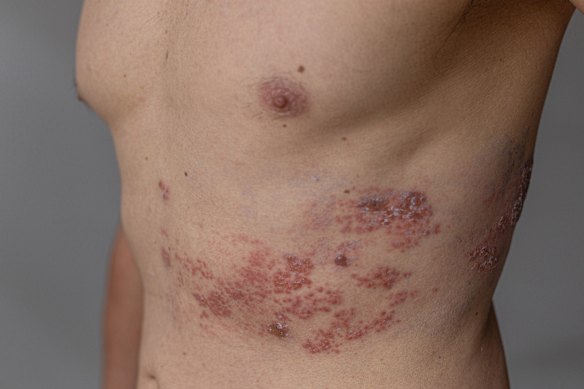
Shingles (herpes zoster) can be quite painful, but studies have found that the vaccine is associated with a lower risk of developing dementia or heart problems.Credit: Getty Images
The CDC recommends two doses of a shingles vaccine for adults 50 and older or people 19 and older with weakened immune systems. The chicken pox vaccine for children can help prevent shingles when they’re older.
Hepatitis B
The hepatitis B virus is a leading risk factor for liver disease and cancer later in life. The virus – which passes from person to person through blood, semen or other bodily fluids – can be contracted through sexual contact, needles and during childbirth.
Acute hepatitis B can be a short-term illness that happens within the first six months of exposure to the virus. In these cases, some people have no symptoms or only mild sickness. But the illness, a liver infection, can also become a lifelong chronic condition that if left untreated could lead to cirrhosis and liver cancer.
In the past, the CDC had recommended that all infants receive the vaccine at birth, with the series of shots to be completed in the first 15 months of life. But this month, the agency changed its policy, endorsing a recommendation from a federal advisory panel to drop the long-standing practice of giving a newborn the vaccine within 24 hours of birth if their mother tested negative for the virus. (In Australia, the vaccine is still recommended for babies at birth and is funded through the National Immunisation Program.)
Meanwhile, many infectious-disease specialists and vaccine experts in the US continue to support the long-standing recommendation, which has been in place for more than 30 years.
If you weren’t immunised in early childhood, you should get the vaccine as a teen or adult.
Flu, coronavirus and RSV
Vaccines that help prevent infections from respiratory viruses are important to protect against serious disease as well as flare-ups or worsening of existing chronic health conditions, public health experts say.
Getting a flu vaccine “is extremely important in individuals that have chronic conditions,” says Tina Tan, immediate past president of the Infectious Diseases Society of America. “If they get flu, it can exacerbate those conditions and cause further complications.”
A 2020 study found higher rates of severe flu infections among adults with certain chronic medical conditions, such as congestive heart failure, coronary artery disease, chronic obstructive pulmonary disease, asthma, diabetes and kidney disease.
The CDC recommends that everyone 6 months and older get an annual flu shot. People with chronic conditions should also get vaccines for the coronavirus and RSV, Hopkins says.
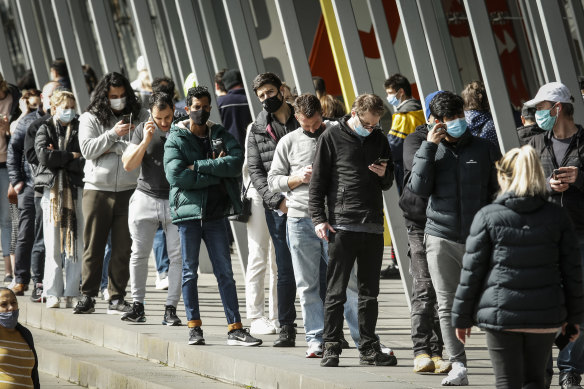
During COVID, Australians queued outside the Exhibition Centre in Melbourne in order to receive their vaccinations.Credit: Getty
One study of 46 million adults in England observed that the incidence of heart attacks and strokes dropped after people received coronavirus vaccinations. The vaccines have been linked to a risk of myocarditis and pericarditis, inflammation of the heart muscle and lining, but cases are rare and generally mild. Many experts also say the benefits of vaccination, which include preventing severe infections that people with chronic conditions are more susceptible to developing, outweigh the risk of side effects.
People can get the coronavirus shots regardless of age or health conditions, but the CDC now recommends consulting a clinician first.
RSV can wreak havoc among children and elderly people. Immunisation against it is recommended for babies, pregnant women to protect their babies, adults ages 50 to 74 with chronic health conditions, and all adults 75 and older, Hopkins says.
Bacterial vaccines
Bacterial infections such as meningitis and pneumonia can also lead to chronic disabilities or death, Hopkins says.
Meningitis complications can be serious. The longer a person has the infection and doesn’t get treatment, the greater the risk of hearing loss, vision troubles, memory issues, learning disabilities, brain damage, seizures and kidney failure, among other problems, according to the Mayo Clinic.
Pneumonia can have long-term effects such as depression as well as worsening of heart and blood vessel diseases. The National Heart, Lung and Blood Institute notes that the disease could cause kidney, liver and heart damage because the organs aren’t getting enough oxygen to work properly or as a result of the immune system responding negatively to the infection.
Bacterial meningitis and pneumonia can both lead to sepsis. While people with sepsis who receive prompt treatment can recover completely, others might experience long-term effects including insomnia, nightmares or hallucinations, panic attacks, joint and muscle pain, decreased cognitive functioning, and organ failure, according to the Cleveland Clinic.
The meningococcal vaccine, which the CDC recommends for all preteens and teens as well as children and adults who are at increased risk, protects against the disease that causes meningitis. Children younger than 5 years old and adults 50 or older should receive the pneumococcal vaccine that helps prevent pneumonia as well as other infections including meningitis and sepsis. (In Australia, the meningococcal vaccine for strains A, C, W and Y is free under the National Immunisation Program for children 12 months, teens 14 to 16 years and the meningococcal B vaccine is free for Aboriginal and Torres Strait Islander children children aged 2 months, 4 months, 6 months and 12 months.)
Vaccination against Haemophilus influenzae type b can also protect people from meningitis and pneumonia.
“Vaccines offer important protection to those who receive them, and some also help safeguard others in the community who remain unvaccinated,” Hopkins says. “Because many people haven’t witnessed the devastation once caused by diseases that are now vaccine-preventable, it’s easy to underestimate the risks of not getting vaccinated.”
The Washington Post
Make the most of your health, relationships, fitness and nutrition with our Live Well newsletter. Get it in your inbox every Monday.
Most Viewed in Lifestyle
Disclaimer : This story is auto aggregated by a computer programme and has not been created or edited by DOWNTHENEWS. Publisher: www.smh.com.au