
The domestic impact of the conflict in Iran is visible on brightly lit neon signs outside tens of thousands of gas stations across the U.S. Average fuel prices are now $3.84 a gallon, up 31% from a month ago. And it might be a long time before drivers see gas below $3 a gallon again, despite recent statements from the Trump administration claiming otherwise.
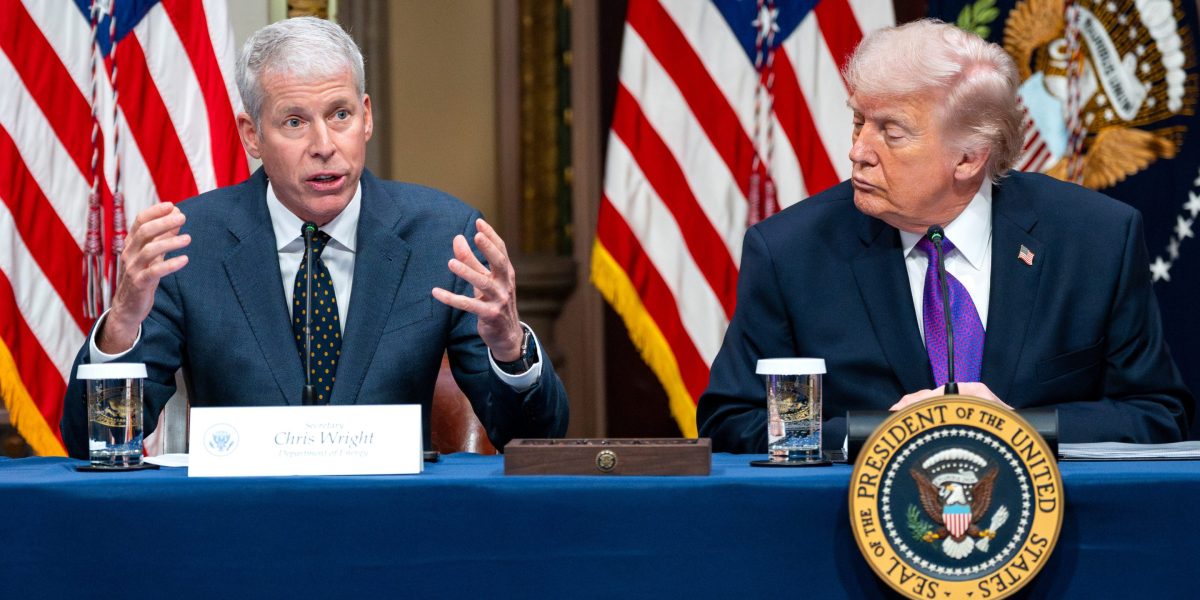
Administration officials have framed spiking gasoline prices as short-lived pain that will resolve itself quickly. “Americans will feel it for a few more weeks,” Energy Secretary Chris Wright told NBC over the weekend, adding that he saw a “very good chance” that gas prices would dip below $3 a gallon come summer.
A rapid drawdown in gasoline prices would require an immediate end to hostilities in the Middle East and a reopening of the Strait of Hormuz, the marine chokepoint that used to ferry most Persian Gulf fossil fuel exports to the rest of the world. But even if the war were to prove short-lived, there’s no guarantee gasoline prices would return to pre-conflict levels any time soon. Many predictions are pricing in a prolonged recovery timeline, including those issued by Trump’s own analysts.
Gasoline costs in the U.S. for 2026, including taxes, could average around $3.34 a gallon, according to a projection published last week by the Energy Information Administration (EIA), a semi-independent statistical agency under the Energy Department’s purview. As things stand, things aren’t likely to improve much next year, with per gallon prices averaging out at $3.18, according to the EIA.
It’s a significant revision from February, the last forecast before the conflict began, when the expected average for 2026 was $2.91 and $2.93 next year. The EIA suggests gasoline prices are already near their peak, and will mostly moderate for the rest of 2026 and throughout 2027, as transit through the strait gradually resumes starting in April 2026. But even under this scenario, the projections do not foresee gasoline prices falling below $3 per gallon at any point between now and the end of 2027.
The EIA cautioned that its projections remain uncertain, and could be revised in either direction depending on the duration of the war in the Middle East, the severity of the Strait of Hormuz’s closure, and how long it will take Gulf producers to resume operations.
Wright is not the only administration official to have championed optimism in recent weeks. Kevin Hassett, who directs Trump’s National Economic Council, told CBS last weekend that futures markets were pointing to a “rapid, rapid end to the situation and much, much lower prices.” Trump himself told NBC over the weekend that he expected gas prices to “go lower than they were before” shortly after the war is over. Now in its third week, the administration maintains the conflict will last up to six weeks. To help keep prices down, Trump has also authorized a release from U.S. emergency petroleum reserves worth 172 million barrels of crude oil, part of a larger international effort to temporarily flood the market with more supply.
But even if the war does end soon, gasoline prices in the U.S. would likely remain elevated much longer than Trump would like. With few ships daring to navigate the Strait of Hormuz, a backlog of oil tankers has amassed on both ends of the waterway, a quagmire that could take up to two weeks to resolve. Producers in the Gulf will also need at least a few weeks to get their oil facilities up and running again, potentially longer given that some infrastructure has been damaged by Iranian strikes.
Trump’s own EIA assumes that, even with petroleum transits through the strait resuming in April, U.S. gasoline prices will stay elevated for months or longer, writing in its latest analysis that the “normalization of refining and retail margins will occur more slowly.”
Administration officials have also framed rising gasoline prices as a necessary sacrifice to achieve military goals in Iran. Speaking to CNBC on Tuesday, Hassett said that the campaign was necessary to address growing tensions in the Middle East, though admitted that fuel inflation would “hurt consumers.”
“That’s the like, really the last of our concerns right now, because we’re very confident that this thing is going ahead of schedule,” he said.
Disclaimer : This story is auto aggregated by a computer programme and has not been created or edited by DOWNTHENEWS. Publisher: fortune.com



