
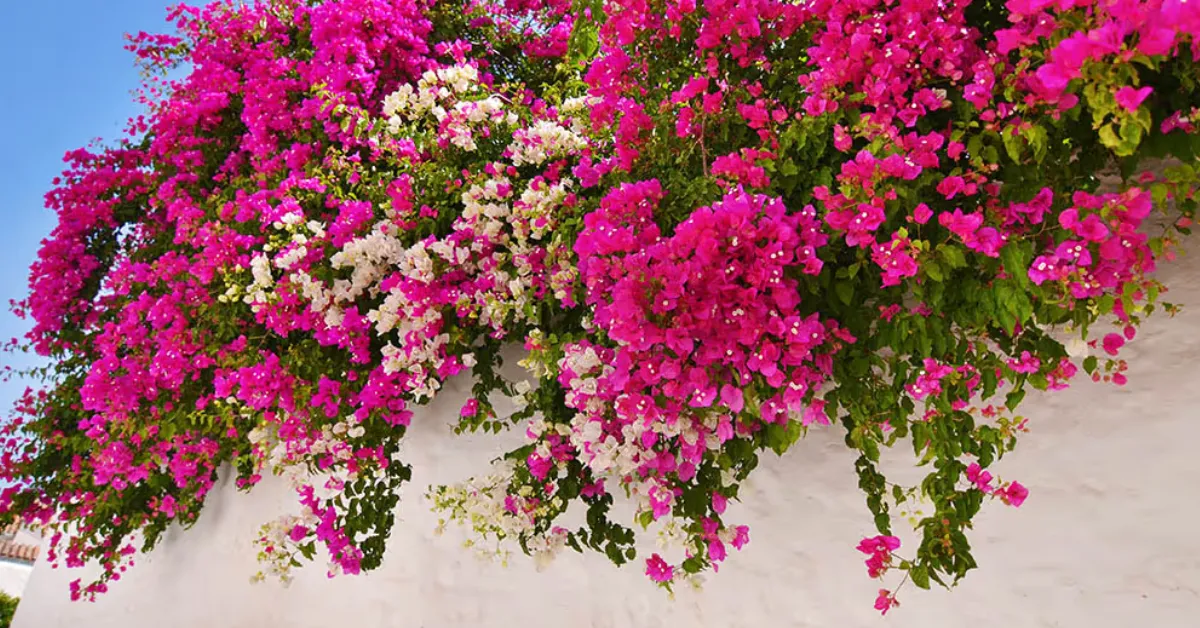
Summer is the season of sunshine, warmth, and nature’s riot of colours. Few flowering plants can match the sheer vibrancy of bougainvillaea. Its bracts, often mistaken for petals, come in shades of magenta, crimson, orange, and white, instantly turning any corner of your home into a tropical paradise.
The allure of bougainvillaea lies in its accessibility; even a modest terrace, balcony, or patio can accommodate this climbing plant with judicious care. Here is a methodical guide to nurturing bougainvillaea in the home.
1. Select a sunny location
Bougainvillaea grows under unmitigated sunlight. Position your plant in a location receiving at least five to six hours of direct sunlight daily. A terrace, veranda, or sunlit balcony is ideal. Insufficient light diminishes flowering intensity, while generous exposure stimulates vigorous growth and abundant bract production.
2. Choose an appropriate container or planting site
When cultivating in containers, make sure the receptacle provides excellent drainage. Terracotta or ceramic pots are preferable because they allow moisture to dissipate naturally. For ground planting, select sandy and well-draining soil. Incorporating coarse gravel at the base further mitigates the risk of waterlogging and supports strong root development.
3. Prepare nutrient-rich and aerated soil
Use a porous, light soil mixture comprising garden soil, sand, and well-decomposed compost. During the vegetative and flowering seasons, apply a fertiliser enriched with phosphorus and potassium to encourage prolific bract development. Avoid excessive nitrogen, which favours foliage over flowers. Organic alterations, such as bone meal or well-rotted manure, can improve vitality and flowering potential.
4. Water with precision and restraint
Bougainvillaea prefers slightly arid conditions. Water judiciously, permitting the upper soil strata to dry between applications. Overwatering induces root decay and reduces flowering, whereas moderate drought stress is generally well tolerated. During periods of extreme heat, monitor hydration carefully without saturating the soil.
/filters:format(webp)/english-betterindia/media/media_files/2026/03/31/grow-bougainvillaea-at-home-2026-03-31-19-05-20.png)
5. Prune strategically to encourage blooming
Pruning is important for structural refinement and increased flowering. After each bloom cycle, remove senescent or overcrowded branches. This promotes aeration, sustains new shoots, and facilitates the desired architectural form, whether upright, cascading, or climbing.
6. Train climbers with support structures
Bougainvillaea is naturally scandent. Use trellises, stakes, or strings to direct growth vertically or along walls and fences. Tie young branches lightly to the supports so they grow in the desired direction, eventually creating a beautiful display of colourful blooms.
/filters:format(webp)/english-betterindia/media/media_files/2026/03/31/grow-bougainvillaea-at-home-2026-03-31-19-12-21.png)
7. Monitor and adjust according to seasonal conditions
The initial flush of blooms may take several weeks to appear. Observe for pests, such as aphids and mealybugs, and manage accordingly. Adjust care according to the season, such as providing shade during intense sunlight and improving drainage during heavy rain to promote healthy growth and continuous flowering.
Disclaimer : This story is auto aggregated by a computer programme and has not been created or edited by DOWNTHENEWS. Publisher: thebetterindia.com







